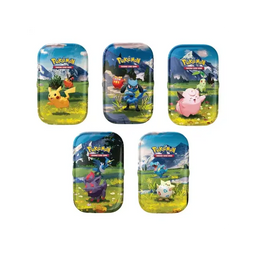
Card Storage Solutions: The Smart Way to Protect and Organize Your Pokemon, One Piece, Magic, and Riftbound Cards
Keep Your Collection Safe With Smarter Card Storage
Whether you play Pokemon, Magic, One Piece, or Riftbound, your cards are more than game pieces. They are trade assets, deck investments, and often treasured collectibles. That is why choosing the right card storage solutions is one of the most important upgrades you can make for your hobby. Good storage prevents corner wear, reduces scratching, protects against moisture, and makes it easier to build decks fast when it is time for game night.
In this guide, we will break down what to look for in reliable storage, how to match storage styles to your collection, and how to avoid the most common mistakes that lead to damaged cards. If you are building a competitive deck, organizing bulk, or protecting high-value pulls, the right setup can save you time and money.
Key Features to Look for in Card Storage Solutions
Not all storage is created equal. The best card storage solutions balance protection, organization, and convenience. Here are the features that matter most for players and collectors.
Card-safe materials that are designed for long-term storage and do not risk damaging surfaces or edges.
Snug, protective fit that keeps cards from sliding around, especially when transporting decks.
Compatibility with sleeves including standard sleeves, inner sleeves, and thicker double-sleeved builds.
Secure closures so decks and valuables stay protected in a backpack or travel bag.
Easy organization with room for labels, dividers, or separate compartments for multiple decks and accessories.
Main Storage Options and When to Use Each
Your ideal setup depends on how you use your cards. Many collectors and competitive players end up using a mix of storage types for different goals.
Deck Boxes for Everyday Play
If you play weekly locals or travel to events, a dependable deck box is your everyday essential. It protects your current deck from edge wear and keeps your sideboard, tokens, and dice together. When shopping for deck boxes, make sure you choose one that fits your sleeve setup. A tight box can bend corners over time, while an oversized box can let a deck shift during transport.
For players who rotate between formats or multiple TCGs, consider storage that supports more than one deck. A dual-deck style option can be a big quality-of-life upgrade for tournament days or casual meetups.
Binders for Collecting and Trading
Binders are a top choice for showing off your favorite pulls, storing set collections, and making trades easier. The best binder experience comes from pairing a quality binder with the right sleeves. This reduces surface scratching and helps keep cards aligned in the pocket.
Collectors often store valuable cards in binders to quickly check condition, verify duplicates, or build a trade binder that is ready at any time. If you collect Pokemon alternate arts, Magic staples, or One Piece leaders, a binder setup can keep your collection accessible while maintaining clean presentation.
Storage Boxes for Bulk and Long-Term Sorting
Bulk adds up fast. Even a few booster openings can turn into hundreds of cards that need a home. Storage boxes are ideal for long-term organization, set building, and keeping your collection sorted by set, color, rarity, or archetype. The real advantage is speed. A well-organized box setup makes it easy to find playsets, build new decks, and manage inventory if you trade regularly.
For long-term storage, avoid stacking loose cards without structure. The goal is to prevent shifting, compression, and accidental corner wear when you move the box.
Toploaders and Rigid Protection for High-Value Cards
When you pull or acquire a big hit, add an extra layer of protection. Rigid protection is commonly used for high-value singles because it resists bending and helps prevent pressure marks. Many collectors use this approach for display pieces, grading prep, or safe storage during travel to events.
A smart habit is to sleeve the card first, then use rigid protection to reduce the chance of surface damage. This is one of the easiest ways to preserve condition for long-term value.
How to Build a Simple, Effective Storage System
If your collection feels messy, do not worry. You can build a clean system in a weekend. Start with these practical steps.
Separate play cards from collection cards so deck building stays fast and your favorites stay protected.
Create a bulk plan using storage boxes and simple dividers for sets, colors, or types.
Use binders for your showcase pages such as favorites, full arts, leaders, or valuable staples.
Keep your current decks in deck boxes and store them together for easy grab-and-go.
This approach works whether you focus on Pokemon collecting, Magic deck building, or maintaining multiple One Piece or Riftbound lists.
Common Mistakes That Damage Cards
Even careful players sometimes lose condition value through small habits. Here are a few pitfalls to avoid.
Storing cards loosely in bags where they slide and scuff.
Overfilling boxes or deck cases, which can compress corners.
Skipping sleeves for binder pages, increasing surface wear over time.
Mixing valuables with bulk, making it easier to accidentally bend or scratch key cards.
Upgrading your card storage solutions is often cheaper than replacing a damaged card later, especially for staples or chase pulls.
Find the Right Storage for Pokemon, Riftbound, One Piece, and Magic
The best part about building a storage setup is how much smoother the hobby becomes. You spend less time searching for cards, your decks stay tournament-ready, and your collection remains in the condition you want. If you are ready to improve your setup, card storage solutions and other TCG essentials will be available at tcgshops.com. Check the site and consider subscribing to the newsletter so you can be first to know when new storage products drop and become available for purchase.
Protect your cards now, and you will thank yourself every time you shuffle, trade, or flip through your collection.