TCG Tracker Guide: Organize Your Pokemon, Magic, One Piece, and Riftbound Collection
Why a TCG Tracker Matters for Today’s Players and Collectors
If you buy, trade, collect, or play trading card games, staying organized is half the battle. A good tcg tracker is the simple tool that keeps your collection visible, your deck plans realistic, and your budget under control. Whether you collect Pokemon for nostalgia and chase cards, build competitive Magic decks, or follow the newest releases from One Piece and Riftbound, tracking what you own and what you still need helps you make smarter decisions and enjoy the hobby more.
At tcgshops.com, we work with players and collectors who want a smoother way to manage their TCG journey. A tcg tracker mindset is the key: knowing what you have, what you want next, and when to buy so you can build with confidence.
Key Benefits of Using a TCG Tracker
A tcg tracker is not just for serious collectors. It is for anyone who wants a clearer view of their cards and purchases. Here are the biggest benefits most players notice right away.
- Better collection control so you stop accidentally buying duplicates you already own
- Faster deck building because you can see your playable pool at a glance
- Smarter upgrades by focusing on the exact singles and products you actually need
- Budget awareness since tracking purchases makes spending more intentional
- Easier trading because you can separate what is for trade from what stays in your binder
In a hobby where sets release frequently and new staples appear often, having a reliable system helps you stay ahead without feeling overwhelmed.
What to Track: The Core Details That Make the Difference
The best tcg tracker approach is simple: track only what helps you make decisions. If you are just starting, focus on these essentials.
- Card name and set information so you can identify the exact printing
- Condition notes like near mint, lightly played, or damaged
- Quantity owned, especially for playsets or deck staples
- Where the card is stored, such as binder, deck box, bulk, or display
- Wish list targets for the next deck, set completion goals, or trade wants
Collectors often add more details such as language, variant type, and graded status. Competitive players often add deck tags like sideboard, staple, or tech option to speed up future builds.
How a TCG Tracker Helps Across Popular Games
Different games have different collecting styles, but the benefits stay consistent.
Pokemon
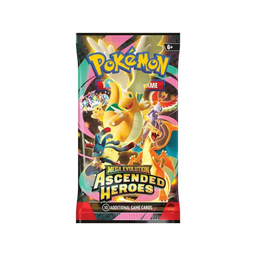
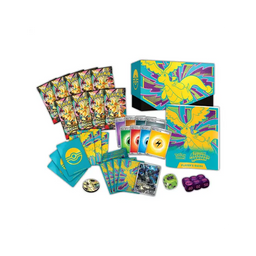
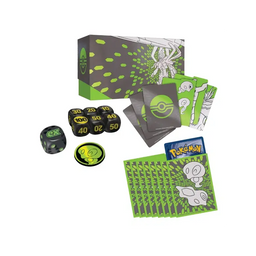
Pokemon collecting moves quickly, with frequent set releases and plenty of alternate arts and special rarities. A tcg tracker helps you track duplicates, chase cards, and which sets you are close to completing. It also helps players keep their trainers, energies, and staple cards organized across multiple decks.
Magic
Magic collections often span years, formats, and a wide range of reprints. Tracking helps you avoid rebuying staples you already own, keep separate lists for Commander decks, and plan upgrades. If you play multiple formats, a tracker makes it easier to see which cards can move between decks and which should remain dedicated to a specific build.
One Piece
One Piece players often keep multiple leader builds in progress. Tracking helps ensure you have the full playsets you need, while also identifying which high-demand cards are better to trade for versus purchase. It also keeps your collection ready for local events when the meta shifts.
Riftbound
For newer games, organization is especially useful because the card pool grows quickly and demand can change fast. A tcg tracker approach helps you decide which early pickups make sense, track playtest builds, and stay prepared as new expansions and strategies arrive.
Practical Tips to Get Started Without Overcomplicating It
If tracking sounds like extra work, the trick is to start small and build the habit.
- Start with your current decks and record only those cards first
- Create a simple wish list for the next five to ten upgrades you want most
- Sort your collection into quick categories: staples, trade, bulk, and display
- Update after each purchase or trade so the system stays accurate
- Review your list before buying sealed products to confirm what you actually need
Within a week or two, most players find that tracking saves time and money because it reduces duplicate purchases and makes shopping more focused.
Matching Your Tracker to the Way You Shop
Many collectors and players use tracking to plan purchases around releases and restocks. If you track your priorities, you can decide whether sealed products make sense for your goals or whether you should focus on specific singles and accessories. You can also use tracking to plan your storage needs, such as when to add a new binder or protect higher-value cards with better sleeves and top loaders.
When you shop at tcgshops.com, the goal is to help you buy with confidence, whether you are looking for Pokemon, Riftbound, One Piece, or Magic products. A tcg tracker approach makes every order more intentional because you are buying to fill a real gap in your collection or deck plan.
Conclusion
A tcg tracker is one of the easiest ways to level up your TCG experience. It keeps your collection clear, your deck building efficient, and your purchases aligned with your goals. If you want to stay organized as new releases drop and your collection grows, build your tracking habit now and let it guide your next smart pickup. Check tcgshops.com for TCG products and consider subscribing to our newsletter to find out when the items you need are available for purchase.