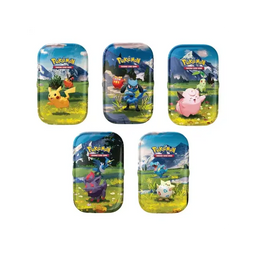
Tracker Pokemon Guide: Organize Your Pokemon TCG Collection and Decks with Confidence
Meet the Tracker Pokemon Approach for Smarter Collecting and Better Deck-Building
If you have ever bought a few booster packs, opened a stack of cards, and then wondered what you actually own, you are not alone. Keeping track of sets, duplicates, deck staples, and chase cards is one of the biggest challenges for Pokemon TCG players and collectors. That is where the tracker pokemon mindset comes in: building a reliable system to log your pulls, monitor what you still need, and plan the next step in your collection or competitive deck.
At tcgshops.com, we love products that help players stay organized, protect their cards, and enjoy the hobby more. In this guide, we will walk through what a strong tracker pokemon system looks like, the key features to prioritize, and how to use it to level up both collecting and gameplay.
Key Features to Look for in a Tracker Pokemon Setup
A tracker is not just one item. Think of it as a toolkit that helps you capture information quickly and store your cards safely. The best tracker pokemon setup typically includes a few essential pieces that work together.
- Fast organization for new pulls so nothing gets lost or forgotten
- Clear visibility of what you own, what you need, and what you want to trade
- Strong protection so your best cards stay in great condition
- Flexible storage that can grow with your collection
- Support for both collectors and players, including deck core cards and side options
When you combine tracking with proper storage, you reduce duplicate buying, make trading easier, and always know which singles or sealed products to target next.
Main Details: How to Build a Tracker Pokemon System That Actually Works
There are many ways to track a Pokemon collection, but the most effective methods share the same structure: capture, classify, protect, and review. Here is a practical approach you can start using immediately.
1) Capture your pulls right away
The biggest tracking mistakes happen in the first 10 minutes after opening packs. Cards get mixed into piles, duplicates blend together, and that one ultra rare ends up sitting unprotected. A simple routine makes a huge difference:
- Sort by rarity first so high-value pulls get sleeved immediately
- Separate playable staples from collection pieces
- Set aside trade candidates in a dedicated stack
This is the foundation of tracker pokemon habits: treat each opening like a mini inventory session.
2) Classify by set, number, and condition
Collectors often track completion by set number, while players focus on playsets and deck counts. Ideally, you do both. Logging set and card number helps you see exactly what you are missing, and condition notes help you trade fairly and price accurately.
For example, even if you pull the card you need, it matters whether it is near mint, lightly played, or has edge wear. A good tracker pokemon approach always includes condition awareness.
3) Use the right storage: binders for display, boxes for bulk
Physical organization is the difference between a tracker that works and a tracker that becomes a chore. Two storage styles cover most needs:
- Binder tracking for sets, favorite Pokemon, or special collections. Great for quick viewing and showcasing.
- Deck boxes and card storage boxes for bulk, playsets, and competitive staples. Great for fast access and efficient space use.
If you are building master sets, a binder is an excellent visual tracker. If you are building decks, storage boxes help you find what you need without flipping through pages.
4) Protect what you track
Tracking and protection should always go together. Sleeves, top loaders, and sturdy storage keep your cards safe from surface scratches, corner whitening, and moisture. When you keep your collection protected, your tracker pokemon records stay meaningful because the condition you logged remains accurate over time.
For players, consistent sleeving also improves shuffle feel and reduces wear during repeated games.
5) Review your tracker before you buy
One of the best benefits of a tracker pokemon system is smarter purchasing. Before you grab more packs or hunt sealed products, check your list:
- Which cards are you missing from your target set?
- Which staples do you still need to finish your deck?
- What duplicates can you trade to fund upgrades?
This quick review prevents accidental repeats and helps you decide whether you should buy sealed products, focus on singles, or trade for specific needs.
Why Tracker Pokemon Habits Help Both Players and Collectors
Collectors get the satisfaction of visible progress and cleaner set completion goals. Players get faster deck building, easier upgrades, and a clear picture of their available tech options. Most importantly, everyone saves time. Instead of re-checking piles of cards every week, you can rely on a consistent system and spend more time actually playing or enjoying your collection.
A tracker pokemon mindset also makes trading smoother. When you know exactly what you have, in what condition, and how many copies you own, you can make confident offers and avoid the frustration of realizing you traded away a card you needed for a deck.
Get Ready to Track Smarter with tcgshops.com
A great collection is not just about pulling rare cards. It is about keeping them organized, protected, and easy to enjoy. If you want to build a tracker pokemon system that supports your goals, keep an eye on tcgshops.com for TCG products that help you store, protect, and manage your collection across Pokemon, Riftbound, One Piece, and Magic.
Check tcgshops.com and subscribe to our newsletter to find out when the products you need are available for purchase. Your next pull feels even better when you know exactly where it belongs.