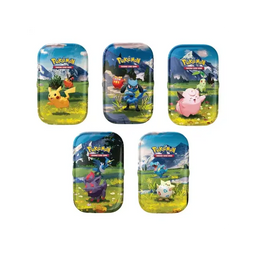
Trading Card Packaging Guide: Protect, Store, and Ship Your TCG Collection with Confidence
Why Trading Card Packaging Matters for Every TCG Player and Collector
Whether you collect Pokémon, chase the latest Riftbound releases, build a competitive One Piece deck, or refine a Magic lineup, one thing stays constant: trading card packaging plays a major role in how your cards look, last, and hold value over time. Great pulls and rare singles can lose their appeal fast if they arrive with corner dings, surface scratches, or moisture damage. The good news is that a smart packaging setup is simple, affordable, and pays off immediately.
In this guide, we will break down what makes trading card packaging effective, what to prioritize for different use cases, and how to build a reliable routine for storage and shipping. If you want a one stop place to shop TCG essentials and sealed products, keep an eye on tcgshops.com for Pokémon, Riftbound, One Piece, and Magic.
Key Features of High Quality Trading Card Packaging
Not all packaging is created equal. The best trading card packaging is designed to prevent the most common types of damage while keeping your collection organized and easy to access. Here are the key features to look for when choosing how to protect and present your cards.
- Surface protection to prevent scratches and scuffs from handling and movement.
- Corner and edge support to reduce whitening, bends, and pressure marks.
- Moisture and dust resistance to protect foils and keep cards clean during long term storage.
- Secure fit so cards do not slide around during transport.
- Presentation and organization so you can sort by set, rarity, deck, or trade binder sections.
When all of these features come together, trading card packaging becomes more than protection. It becomes a system that makes collecting and playing easier.
Main Details: The Core Types of Trading Card Packaging
Most players and collectors rely on a few packaging basics. The right combination depends on whether you are storing a collection, transporting a deck, or shipping trades and sales.
Card Sleeves: The First Layer
For everyday handling, sleeves are the foundation of trading card packaging. Standard sleeves reduce surface wear and help prevent fingerprints, especially on glossy or foil cards. For play, many players prefer shuffle friendly sleeves that feel consistent and reduce clumping. For collecting, clear sleeves keep the card visible while still protecting it.
Tip: If you are sleeving valuable cards, consider a snug inner sleeve for extra defense before adding a regular sleeve.
Top Loaders and Semi Rigid Holders: Protection with Structure
For higher value singles, top loaders and semi rigid holders are a go to option. They add rigidity that sleeves cannot provide, protecting corners and edges from pressure. Semi rigid holders are also popular for shipping because they are lighter and less bulky while still offering excellent support.
Use cases include grading prep, trade nights, convention travel, and safely stacking important cards in storage boxes.
Deck Boxes: Built for Play
A deck box is trading card packaging designed for active use. It keeps a full deck together, prevents cards from bending in a backpack, and speeds up setup between rounds. Many players also store tokens and sideboards in the same box to keep everything tournament ready.
When choosing a deck box, prioritize a snug fit for sleeved cards, a reliable closure, and enough space for double sleeved decks if that is your style.
Binders and Pages: Display and Organization
Binders are perfect for collectors who love to browse their sets and show off trades. A good binder system reduces handling damage because you can view cards without removing them repeatedly. Many collectors sort by set number, rarity, or character themes. This makes it easier to track what you need and prevents accidental duplicates.
For long term collecting, aim for binder pages that hold cards firmly and avoid excessive bending when the binder is stored upright.
Storage Boxes: Long Term Collection Safety
If you are building a large collection, storage boxes are essential trading card packaging. They keep bulk organized, protect cards from dust, and make sorting by set or format manageable. Labeling boxes by game and set can save hours later, especially when building decks or pulling inventory for trades.
To reduce warping and humidity issues, store boxes in a cool, dry space and avoid direct sunlight.
Shipping Materials: Safe Delivery for Trades and Online Orders
Shipping is where trading card packaging needs to be at its strongest. Even a short trip through the mail can cause pressure damage or moisture exposure. A reliable shipping method often includes a sleeved card, a rigid holder, and a well padded mailer. For multiple cards, team bags or similar sealing options help prevent shifting and protect against water.
If you frequently trade or sell, creating a consistent packaging routine helps reduce claims, protect your reputation, and keep buyers happy.
How to Choose the Right Packaging for Your Goals
Picking the best trading card packaging comes down to your priorities. If you play weekly, focus on quality sleeves and a durable deck box. If you collect sealed and singles, build a system with binders for display and structured holders for your top hits. If you ship often, invest in materials that prevent movement and corner damage.
A simple rule: match the protection level to the card value and how often it will be handled. The more handling and travel, the more structure you want.
Conclusion
Trading card packaging is one of the smartest upgrades you can make, whether you are protecting a single chase card or organizing a growing collection across Pokémon, Riftbound, One Piece, and Magic. With the right layers of protection, you keep your cards looking sharp, preserve value, and enjoy the hobby with less worry.
If you want to stock up on TCG products and essentials, check tcgshops.com and subscribe to the newsletter to know when items are available for purchase.