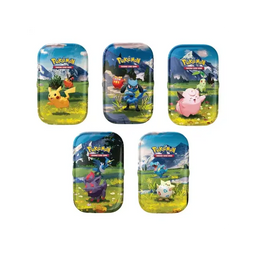
Card Trade Guide: How to Trade Smarter for Pokemon, One Piece, Magic, and Riftbound
Why Card Trade Matters for TCG Players and Collectors
Card trade is one of the most exciting parts of any trading card game community. Whether you collect for the artwork, hunt competitive staples, or build themed decks for casual play, trading is often the fastest way to turn duplicates into upgrades. It also keeps the hobby social, helps you complete sets without overbuying sealed products, and can even teach newer players how to evaluate cards responsibly. If you are looking to level up your collection across Pokemon, Riftbound, One Piece, or Magic, understanding how to trade is just as important as knowing the rules of the game.
Key Benefits of Card Trade
Great trades do more than move cardboard from one binder to another. Here are the big reasons card trade stays at the heart of the TCG scene:
Complete collections faster by swapping duplicates for missing cards.
Build better decks by targeting specific singles instead of relying on random pulls.
Save money by trading cards you do not need instead of buying more product.
-
Connect with the community and meet players who enjoy the same games.
Keep your collection focused by turning bulk into playable or collectible value.
How to Prepare for a Successful Card Trade
The best trades are smooth, fair, and stress-free. Preparation makes all the difference, especially if you trade at local events or through buylist style trade-ins.
Organize Your Trade Binder
Separate your cards into clear sections. Many players use pages for high-value hits, playable staples, and lower-value trade sweeteners. For collectors, sorting by set or rarity helps others quickly spot what they need. Sleeving anything with real value is a must, and keeping cards clean and flat prevents condition disputes.
Know Card Condition Basics
Condition can dramatically change trade value. Learn the common grades: near mint, lightly played, moderately played, and heavily played. Be honest about wear like whitening, scratches, dents, or edge chipping. Transparency builds trust and leads to repeat trade partners.
Have a Want List
A short want list keeps you focused. Includes exact card names, versions, and priorities. For example, you might want a specific art variant for One Piece, a particular foil treatment for Magic, or a competitive staple for Pokemon. A clear list helps you avoid trades that look exciting at the moment but do not improve your goals.
Card Trade Tips for Popular TCGs
Each game has its own patterns of demand. Keeping these in mind can help you trade smarter.
Pokémon
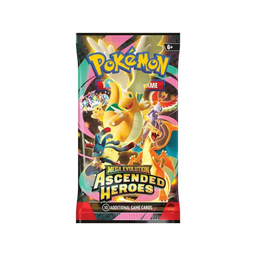
Pokemon card trade often splits into two worlds: competitive playables and collector chase cards. Playables can swing in value as formats change, while collector cards depend heavily on condition, print quality, and popularity of the Pokemon featured. If you pull duplicate ultra rares or illustration-style cards, trading can be a great way to finish a set or target favorites without chasing more packs.
One Piece
One Piece trading is often driven by leaders, meta staples, and premium versions like alternate arts. If you are building a deck, prioritize cards that complete your core strategy. If you are collecting, focus on the characters you love and keep condition standards high, especially for display-worthy cards.
Magic
Magic card trade frequently revolves around format staples, mana bases, and evergreen commander cards. Reprints can affect values quickly, so it helps to trade into cards you will actually play. Many traders also prefer flexible cards that fit multiple decks, which can keep demand strong over time.
Riftbound
For newer or evolving games like Riftbound, card trade can be especially rewarding. Early staples, key archetype pieces, and limited print runs may be in high demand. Trading duplicates early can help you experiment with decks and discover what you enjoy before committing to larger purchases.
Fair Trading: How to Avoid Common Mistakes
Card trade should feel like a win for both sides. These practical habits help you stay confident and protect your collection:
Don't rush. Take a moment to review cards, condition, and what you are giving up.
Trade for purpose. Avoid grabbing random cards just because they look valuable.
Stay polite and flexible. Counteroffers are normal and keep trades fair.
Protect high-value cards with sleeves and top loaders before you bring them to trade.
Keep your long-term goals in mind, whether that is completing sets or building a stronger deck.
How tcgshops.com Can Support Your Card Trade Goals
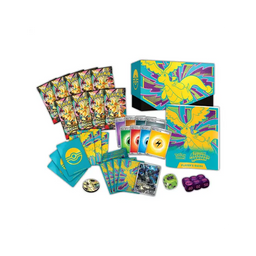
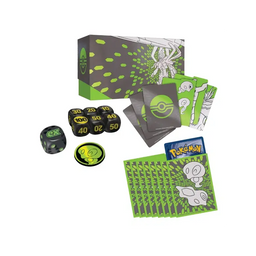
Strong trading starts with having access to the right products. Whether you are looking for boosters to open, sleeves to protect your best pulls, or sealed items to collect, tcgshops.com is built for TCG fans who want reliable options across Pokemon, Riftbound, One Piece, and Magic. When you pull duplicates, card trade becomes easier because you can confidently swap extras for the singles and upgrades you truly want.
If a product you need is not currently in stock, check tcgshops.com regularly and subscribe to the newsletter to find out when it becomes available for purchase. Staying updated helps you plan your next opening, your next deck build, and your next great trade.
Conclusion
Card trade is more than a hobby habit, it is a strategy that helps you collect smarter, play better, and connect with the TCG community. With a well-prepared binder, a clear want list, and an honest approach to condition and value, you can turn every trade into progress. Visit tcgshops.com to explore TCG products and stay subscribed so you never miss the next restock that could power your collection and your next trade.