Scanning Pokémon cards: a guide to valuing your collection and buying better at tcgshops.com
Introduction: Scan Pokémon cards, check prices, and buy with confidence.
If you've ever wondered why two seemingly identical cards can have such different prices, you're not alone. For players and collectors, understanding Pokémon card pricing has become an essential part of the hobby: it helps you identify what you own, estimate its value, and decide whether to sell, trade, or better protect your collection. In this guide, we explain how to scan your cards effectively, what factors influence their price, and how to connect that information to smart purchases for your deck or display case. And if you're looking for TCG products to enhance your experience, remember you can find them at tcgshops.com.
Why scan Pokémon cards and how does it affect the price?
Scanning cards isn't just a trend; it's a practical tool. By digitizing your collection and reviewing basic information like name, set, card number, and rarity, you can compare similar versions and identify differences that impact value. Many prices change due to small details: a different edition, a special print run, a promo card, or a foil variant. Furthermore, prices can fluctuate with the competitive metagame, nostalgia demand, and the availability of sealed stock.
What determines the price of a Pokémon card
To understand the price of scanning Pokémon cards, you first need to know what makes a card worth more or less. These are the main factors:
- Set and edition : the set it belongs to and whether it is a first edition, reprint or promotional edition.
- Rarity and variant : common, uncommon, rare, ultra rare, special illustration, full art, or secret rare. Variants often influence the price.
- Condition : A card in excellent condition is usually worth more than one with wear. Edges, corners, surface, and centering matter.
- Demand : Cards featuring popular characters or competitive strategies tend to rise in popularity when their use increases.
- Availability : hard-to-find cards or sold-out sets influence higher prices.
How to scan Pokémon cards correctly
Scanning carefully is key to avoiding confusion with similar cards. Follow these steps:
- Use good lighting : avoid shadows and reflections, especially on foil cards.
- Check the card number : the number and symbol of the set help to identify the exact version.
- Confirm the language : the language may affect the price depending on the region and market.
- Check the condition : before looking at the price, assess whether the card is like new, played, or damaged.
A careful scan allows you to create a more reliable inventory and make better decisions when buying or trading.
How to interpret price results without complicating things
When searching for Pokémon card prices, think of the price as a range, not a fixed number. It's normal to see variations depending on the card's condition, whether it's unprotected, or if it's considered collectible. It's also common for the value to change over time: a card's value can rise due to popularity or fall if a reprint is released or a lot of new stock is opened.
A good practice is to use your scan to identify the exact card and then compare it to recent sales or market references. This helps you avoid overvaluing or undervaluing it. If your goal is to play, the best price is usually the one that allows you to complete your strategy without breaking the bank. If your goal is to collect, you should prioritize condition, authenticity, and protection.
Products that help protect the value of your collection
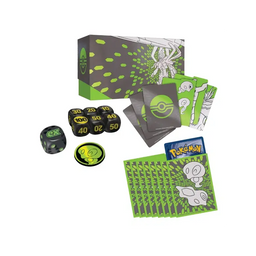
Scanning and checking the price is only part of it. The other part is preserving their condition. Keeping your cards in good condition can make all the difference in the long run. These products are essential for any collector or player:
- Covers and protectors : reduce scratches and wear from shuffling.
- Top loaders or rigid sleeves : ideal for high-value cards or for secure storage.
- Folders and pages : to organize complete sets and avoid folds.
- Storage boxes : protect from dust and make it easier to transport mallets.
At tcgshops.com you can find TCG products from Pokémon and also from Riftbound, One Piece and Magic so you can take care of your collection and prepare your games with the best team.
How to connect scanning with smart shopping
Once you master scanning Pokémon cards for prices, you can better plan your next purchases. For example, if you find you're missing key cards for a deck, you can focus on booster packs, boxes, or accessories that complement your goal. If your aim is to complete a set, scanning helps you see which cards you're missing and avoid duplicate purchases. It's also useful for deciding whether to open sealed cards for fun and collecting, or if you'd rather go straight for specific cards.
If you keep an eye on new releases and restocks, a specialized store makes all the difference. We invite you to check out tcgshops.com and subscribe to our newsletter to be notified when new products and news related to Pokémon, Riftbound, One Piece, and Magic are available.
Conclusion
Understanding how to scan Pokémon cards gives you control over your collection, helps you trade more confidently, and improves your decisions as a player or collector. Scan carefully, identify the exact version, consider the condition, and use that information to protect and grow your collection. If you want to complement your hobby with essential TCG products and accessories, visit tcgshops.com and subscribe to be notified when they become available for purchase.