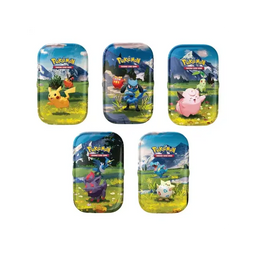
Exchange Pokemon Cards: A Complete Guide to Fair Trades, Card Value, and Collector Tips
Introduction: A Smarter Way to Exchange Pokemon Cards
If you love collecting, building decks, or chasing the next big pull, you already know that trading is part of the fun. Learning how to exchange pokemon cards safely and confidently can help you complete sets faster, upgrade your deck, and connect with the community without regretting a deal later. Whether you are swapping duplicates, hunting specific Trainer cards, or looking for a clean copy of your favorite holographic, having a clear approach makes every exchange smoother.
At tcgshops.com, we support collectors and players across Pokemon, Riftbound, One Piece, and Magic. If you are planning to exchange pokemon cards, we recommend pairing smart trade habits with the right sleeves, binders, and storage so your cards stay in top condition before and after every deal.
Key Features of a Great Pokemon Card Exchange
A successful exchange is more than handing over a stack of cards. These are the features that separate a great trade from a risky one:
- Clear card identification: Set name, card number, rarity, and language should be confirmed.
- Accurate condition grading: Both sides should agree on condition before finalizing.
- Fair value evaluation: Use consistent pricing logic to avoid mismatched expectations.
- Protection and presentation: Sleeves, top loaders, and binders prevent damage and preserve value.
- Good communication: A written list or photos of the exact cards being exchanged helps prevent confusion.
Main Details: How to Exchange Pokemon Cards Fairly and Safely
1) Know What You Have Before You Trade
Before you exchange pokemon cards, take a moment to organize your collection. Sort duplicates, identify chase cards you are willing to move, and separate personal favorites. For each card, confirm the edition and details. Many cards have multiple printings, and small differences can affect value. Taking clear photos of the front and back also helps if you trade with someone remotely or want a second opinion.
2) Understand Card Condition and Why It Matters
Condition is one of the biggest factors in trade value. A near mint card can trade very differently than the same card with edge whitening or surface scratches. When you exchange pokemon cards, be honest about what you see and ask the same from the other side. Look at corners, edges, centering, and the holo surface under good lighting. If both sides use the same condition terms, it is easier to agree on fair value and avoid disappointment later.
3) Decide Your Trade Goal: Collecting vs Competitive Play
Not every exchange has the same purpose. Collectors may care about rarity, set completion, and pristine condition. Competitive players may care about getting playable cards quickly, even if they are lightly played. When you exchange pokemon cards, tell the other person what you are optimizing for. It saves time and helps you land trades that actually improve your binder or your deck.
4) Build Trades Around Value, Not Just Rarity
It is tempting to trade based only on rarity symbols, but market demand can shift quickly. A card that is essential in popular decks might trade above what its rarity suggests. On the other hand, a flashy card might be less sought after depending on current trends. The best approach is to compare cards by current value and by how much you want them. If a trade is close but not perfect, it is normal to balance it with a small add-on card rather than forcing an uneven deal.
5) Use Proper Protection to Keep Cards Trade-Ready
The easiest way to lose value during an exchange is through avoidable damage. Always sleeve cards, and use rigid protection for higher-value items. Bring extra sleeves to trade meetups so cards are protected the moment they change hands. For collectors, binders with side-loading pockets help prevent cards from slipping out. For bulk exchanges, sturdy storage boxes keep everything organized. Many of these essentials are available through tcgshops.com, alongside sealed products and accessories to support your hobby.
6) Make Exchanging Easier With a Simple Checklist
If you exchange pokemon cards often, create a consistent routine:
- Confirm the exact cards: names, numbers, and print versions.
- Agree on condition: use clear photos for remote trades.
- Agree on value: make sure both sides feel the trade is fair.
- Pack securely: sleeve, top load, and keep cards from shifting.
- Confirm completion: verify everything before leaving a meetup or finalizing a shipment.
This reduces mistakes and helps build trust with trading partners, which is valuable if you plan to exchange regularly.
7) Keep Your Collection Growing With Smart Upgrades
One of the best reasons to exchange pokemon cards is the ability to turn duplicates into upgrades. You can trade multiple smaller wants toward a single higher-priority card, or swap rotating playables into staples you will use for a long time. Over time, careful trading can help you build a stronger deck, a cleaner binder, or a more focused collection without relying only on random pulls.
Conclusion: Make Your Next Exchange Count
When you exchange pokemon cards with a clear goal, honest condition checks, and good protection, trading becomes one of the most rewarding parts of the Pokemon TCG. You build connections, improve your collection, and keep the hobby exciting. If you are getting ready for your next exchange, check tcgshops.com for TCG products and accessories across Pokemon, Riftbound, One Piece, and Magic, and subscribe to our newsletter to find out when new items are available for purchase.