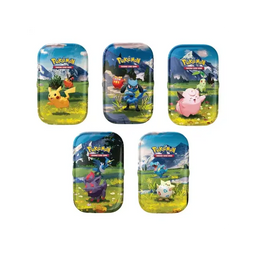
Pokemon Bank Guide: How to Store, Protect, and Organize Your Pokemon TCG Collection
What Is Pokemon Bank and Why It Still Matters
For many Pokemon players and collectors, the hardest part of the hobby is not pulling a rare card or finishing a deck list. It is keeping your collection organized, protected, and ready for whatever comes next. That is where the idea behind pokemon bank comes in. While the term is often associated with safely storing and transferring your digital Pokemon across games, it has also become a popular way to describe a broader goal: building a reliable, long-term home for everything you value in the Pokemon universe.
In this guide, we break down what pokemon bank is, what it is used for, and how you can apply the same organizing mindset to your physical trading card collection. If you are a competitive player, a casual collector, or someone returning to the hobby, these best practices will help you keep your collection accessible and future-ready. When you are ready to upgrade your storage and TCG supplies, you can find options available at tcgshops.com.
Key Features of Pokemon Bank Concepts: Storage, Safety, and Continuity
The reason pokemon bank remains a widely searched topic is simple: it represents a solution to three common problems.
Storage that scales: A good system grows with your collection, whether you have 50 cards or 5,000.
Safety and preservation: Valuable items need protection from loss, wear, humidity, and accidental damage.
Continuity across eras: Long-time fans want to keep their favorites available even as new sets, formats, and games arrive.
These are the same goals collectors have when choosing binders, sleeves, deck boxes, top loaders, and proper long-term storage for sealed products. Thinking like a pokemon bank helps you stop reacting to clutter and start building a collection you can actually enjoy.
Main Details: How Pokemon Bank Works and What Players Use It For
At its core, pokemon bank refers to a dedicated place to keep Pokemon stored securely and organized so they can be retrieved when needed. Players historically used it to centralize Pokemon from multiple adventures, preserve hard-to-find favorites, and simplify team building. The most important lesson here is the workflow: organize first, protect second, and access easily whenever you need something.
That workflow maps perfectly to the Pokemon Trading Card Game. Whether you play Standard, build Commander-style casual decks in other TCGs, or collect specific Pokemon lines, a strong system prevents the usual headaches.
Fast deck building because your staples are sorted and easy to find.
Better card condition over time, which matters for value and playability.
Less duplicate buying because you know what you already own.
Building Your Own Pokemon Bank for Cards: A Practical Setup
If you want a physical pokemon bank for your TCG collection, start with a structure that matches how you play and collect. Here are setups that work well for most players.
1) Protection Layers for Different Card Tiers
Not every card needs the same level of protection. Create tiers so your best items get the strongest protection without slowing down daily deck changes.
Play cards: Use quality sleeves and store decks in sturdy deck boxes.
Trade binder cards: Use binder pages that minimize shifting and keep cards flat.
High-value hits: Consider rigid protection and a dedicated storage box to prevent corner wear.
2) Sorting That Matches Real Use
A common mistake is sorting by set only, which can be frustrating when you need a card quickly. Try a hybrid approach.
Players: Sort by Trainer cards, Energy, and Pokemon by type, then by evolution line or role.
Collectors: Sort by Pokedex number, favorite Pokemon, or art style, with a separate section for chase cards.
This is the same spirit as pokemon bank organization: you should be able to locate what you need in seconds, not minutes.
3) Inventory Habits That Save Money
Even a simple inventory makes a huge difference. You don't need fancy tools. A basic list of your most-used staples, key pulls, and sealed products can prevent accidental duplicates and helps when planning purchases for new set releases.
When you shop for binders, sleeves, storage boxes, and new releases, having a clear picture of your collection helps you buy smarter. You can always check tcgshops.com to find TCG products that fit your storage and collecting goals.
Why Pokemon Bank Thinking Helps Collectors and Competitive Players
Collectors focus on condition and display, while competitive players focus on consistency and quick access. The pokemon bank mindset supports both. It keeps your collection safe, lowers the stress of tournament prep, and makes it easier to rotate decks as goals change. It also encourages long-term enjoyment, because your favorite cards are not buried in random stacks or damaged from poor storage.
And if you collect across multiple games, the approach still works. Many customers who love Pokemon also build decks in One Piece and Magic or explore new titles like Riftbound. A unified system, labeled boxes, and consistent sleeve sizes can make your entire TCG shelf feel like a curated collection instead of a pile of products.
Conclusion: Create Your Own Pokemon Bank With the Right Tools
Pokemon bank is more than a keyword. It represents the idea of keeping your favorites protected, organized, and ready for the next adventure. Whether you are managing digital Pokemon or building a real-world trading card collection, the same principles apply: store smart, protect what matters, and make your collection easy to enjoy.
If you are ready to level up your storage, accessories, and TCG products, keep an eye on tcgshops.com. Subscribe to the newsletter to find out when new Pokemon, Riftbound, One Piece, and Magic items are available for purchase.