Pokemon TCG Database Guide: Research Cards, Track Sets, and Buy Smarter at tcgshops.com
Welcome to Your Pokemon TCG Database Playbook
If you play or collect the Pokemon Trading Card Game, you already know the challenge: there are thousands of cards across dozens of expansions, plus constant updates from new releases. That is exactly why having a reliable pokemon tcg database mindset matters. A great database approach helps you track cards, understand set structure, spot value-driving details, and build better decks with confidence.
At tcgshops.com, we support that journey by offering a growing selection of Pokemon, Riftbound, One Piece, and Magic products. Whether you are chasing competitive consistency or building a display-worthy collection, learning how to use a pokemon tcg database style of research can save time, reduce mistakes, and make every purchase or trade feel more intentional.
Key Features of a Pokemon TCG Database Approach
When players say pokemon tcg database, they usually mean more than just looking up a card name. Think of it as a research workflow that makes you more informed. Here are the core features you want to rely on when organizing your collection or planning your next deck:
- Set organization that helps you understand what belongs where, including main sets and special releases.
- Card identity clarity such as card name, HP, type, evolution stage, and rule text.
- Rarity awareness, which matters for collectors and for understanding pull expectations from sealed products.
- Print and version tracking, useful when a card has multiple arts, holo patterns, promo releases, or reprints.
- Deckbuilding insight, including role recognition like attackers, support Pokemon, setup pieces, and consistency Trainers.
By focusing on these fundamentals, you can build your own dependable reference system and make smarter decisions whether you buy singles, sealed packs, or premium collections.
Main Details That Matter When Researching Cards
A strong pokemon tcg database habit starts with knowing what details to prioritize. Here is what experienced players and collectors look at first.
Card Text and Gameplay Role
For competitive players, the most important part is what the card actually does. Read the attacks, Abilities, and rules carefully. Many cards look similar at a glance, but one line of text can change how a deck functions. When building a list, categorize what the card does, such as draw support, search, energy acceleration, disruption, or defensive utility. This makes deck tuning faster and helps you avoid adding cards that overlap too much.
Set Symbol, Collector Number, and Rarity
Collectors and completionists rely heavily on set symbols and collector numbers to track progress. Knowing the difference between common, uncommon, rare, holo rare, ultra rare, illustration rare, and special illustration rare helps you set realistic goals for a binder or master set. This information is also helpful when deciding whether to open sealed product or purchase specific cards directly.
Variants, Promos, and Reprints
Pokemon cards often have multiple versions. A card may appear in a main expansion, then return as a promo, then get reprinted later with new artwork or updated regulation marks. If you are trading or buying, always confirm which printing you want. Keeping notes on variants is a key part of the pokemon tcg database experience and prevents confusion when you are trying to match a decklist requirement or finish a collection page.
Condition and Collection Management
Even the best database is not useful if you cannot match it to your real collection. Track what you own and note condition from the start. Separate your goals into play copies and collection copies. For example, you might want one near mint display card, plus additional copies for decks. This simple system keeps your binder clean, your deckbuilding fast, and your future purchases more cost-effective.
How to Use a Pokemon TCG Database Mindset for Smarter Buying
Research is not just for trivia. It is one of the best ways to stretch your budget and improve your results.
- If you are building a deck, list the key engine pieces first and check which sets they come from, then decide whether sealed or singles makes more sense.
- If you are collecting, define a target, such as a specific expansion, a favorite Pokemon, or a rarity tier, and use set tracking to avoid duplicate buys.
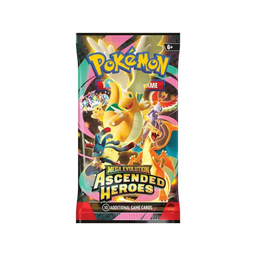
- If you are opening packs, use set structure knowledge to set expectations and reduce disappointment. Pulls are more satisfying when you know what you are chasing.
When you approach the hobby with a pokemon tcg database style of planning, you do not just buy more, you buy better. That means fewer random purchases, more meaningful hits, and collections that feel curated rather than accidental.
Find Pokemon TCG Products at tcgshops.com
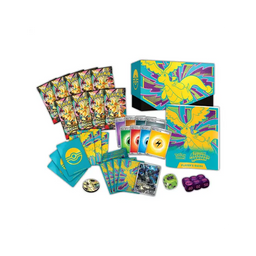
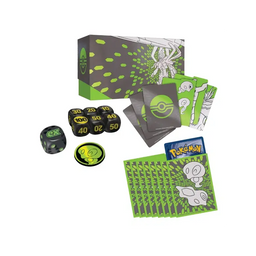
Once you have done your research, the next step is getting the right products for your goals. tcgshops.com is an online store for TCG products across Pokemon, Riftbound, One Piece, and Magic. If you are preparing for your next league night, upgrading your binder, or hunting for the thrill of opening sealed packs, keep an eye on our shop for availability.
Want to stay ahead of releases and restocks? Check tcgshops.com and subscribe to our newsletter so you can find out when products become available for purchase.
Conclusion
A pokemon tcg database approach is one of the easiest ways to level up as a player and collector. By focusing on card details, set structure, and version tracking, you make more confident deckbuilding and collecting decisions. When you are ready to turn research into real cards, visit tcgshops.com and sign up for updates so you never miss the next addition to your Pokemon TCG journey.