TCG Scanner Guide: Organize Your Collection Faster and Smarter with Help from tcgshops.com
Why a TCG Scanner Matters in Modern Collecting
Whether you collect for the love of the art, the thrill of the pull, or the strategy behind every deck choice, today's trading card game scene moves fast. Prices shift, new sets released constantly, and card conditions can make a huge difference in value. That is exactly why a tcg scanner has become one of the most useful tools for players and collectors who want to stay organized and make smarter decisions.
A tcg scanner helps you quickly identify cards, sort collections, and keep track of what you own without spending hours manually searching each card. Instead of guessing a card's details or forgetting what is in your binders, you can build a clean, searchable inventory that supports everything from deck building to trade planning. When you pair that kind of efficiency with the excitement of opening new product, you get a smoother and more enjoyable collecting experience.
Key Features Collectors Look For in a TCG Scanner
Not every setup is the same, but the goal is. A good tcg scanner experience is designed around speed, accuracy, and convenience. Here are the features that matter most to players and collectors:
Fast recognition for modern and older cards, including variations like alternate arts, foils, and promos.
Reliable identification across popular games, such as Pokemon, One Piece, Magic, and emerging favorites like Riftbound.
Clean organization tools so you can filter by set, rarity, color, type, or condition notes.
Inventory tracking that supports collecting goals, such as completing master sets, tracking duplicates, or planning sales and trades.
Easy workflow for scanning multiple cards in a row without constant interruptions.
In short, the best tcg scanner approach is not only about identifying a card. It is about turning a pile of cardboard into a collection you can manage with confidence.
Main Details: How a TCG Scanner Fits Into Your Routine
The biggest advantage of using a tcg scanner is time. If you have ever tried to price-check a stack of cards one by one, you know how quickly it can become overwhelming. Scanning streamlines the process so you can spend more time enjoying the hobby and less time stuck doing manual research.
For players, scanning supports deck building and testing. When you can quickly check what you own, it becomes much easier to decide whether to upgrade an existing deck, build a new archetype, or trade for missing staples. A well-maintained scanned inventory also helps prevent accidental double purchases, which is especially useful when chasing playsets.
For collectors, a tcg scanner can be the difference between a casual binder and a truly curated collection. Many collectors aim for complete sets, specific character lines, or high-grade chase cards. Scanning lets you see what you already have, what is missing, and what you might want to prioritize next. It can also help you flag condition notes, which matters if you plan to grade, trade, or store high-value cards separately.
Using a TCG Scanner Across Popular Games
One reason the keyword tcg scanner is searched so often is because many collectors do not stick to just one game. It is common to collect Pokemon for nostalgia, play One Piece for competitive fun, and keep a Magic deck for local events. A scanner-centered routine makes multi-game collecting feel manageable instead of chaotic.
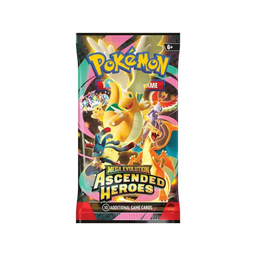
Pokemon collectors often focus on set completion, variants, and art-driven collecting. A scanner helps you keep track of reverse holos, secret rares, and special inserts so you do not lose progress across multiple binders.
One Piece players tend to move quickly with the meta. Keeping an accurate inventory helps you track leaders, staples, and key event cards, and makes it easier to plan upgrades when new releases arrive.
Magic players benefit from organization and duplication tracking, especially when you are managing multiple formats or building more than one deck. Scanning supports cleaner sorting, faster trade prep, and a clearer view of your available options.
Riftbound is the kind of game where early collectors and dedicated players can benefit from staying organized right from the start. A scanning workflow makes it easier to build a stable collection as the game grows.
Tips to Get Better Results When Scanning Cards
To get the most from a tcg scanner workflow, it helps to set up a consistent routine. Scan in good lighting, keep cards flat, and try to avoid glare from sleeves when possible. If you are scanning large batches, sorting by set or game first can speed things up and reduce mistakes. It is also smart to separate high-value pulls immediately so they stay protected while you inventory the rest.
Most importantly, treat scanning as part of your hobby rhythm. After opening product, scan new pulls. After trading, update your accounts. After building a deck, confirm what is left in your inventory. Small habits keep your collection accurate over time.
Find the TCG Products You Need at tcgshops.com
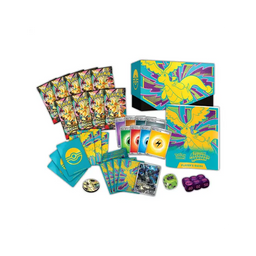
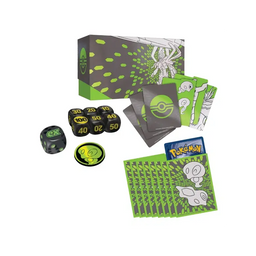
A tcg scanner helps you understand what you have. The next step is finding the right products to complete your goals, whether that means boosters for your next chase, accessories to protect your collection, or sealed product for long-term collecting. At tcgshops.com, you can explore TCG products across Pokemon, One Piece, Magic, and Riftbound as they become available. If you want to be first to know when new items drop, check the site and subscribe to the newsletter for updates on availability and upcoming releases.
Conclusion
Collecting and playing should feel exciting, not stressful. A tcg scanner is a practical way to save time, stay organized, and make smarter choices with every pack you open and every deck you tune. If you are ready to level up your collecting routine, keep an eye on tcgshops.com and subscribe to the newsletter so you can stay up to date on the TCG products that help you build, protect, and grow your collection.