Trade Football Cards Smarter: A Practical Guide for Collectors and TCG Fans
Why Many Players and Collectors Trade Football Cards and TCG Cards Side by Side
Whether you are getting back into collecting or you have been in the hobby for years, learning how to trade football cards can unlock a more fun, social, and budget-friendly way to build the collection you actually want. Trading is not only about swapping cardboard, it is about building connections, discovering new sets, and turning duplicates into meaningful upgrades.
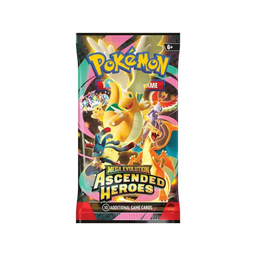
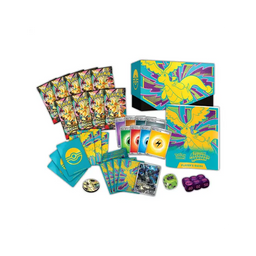
At tcgshops.com, we live in the world of collectible games and trading cards every day. While our focus is on TCG products like Pokemon, Riftbound, One Piece, and Magic, many collectors who love football cards also enjoy TCGs for the same reasons: exciting pulls, beautiful artwork, rarity chases, and community-driven trading. This guide highlights the key features of smart trading, explains what to look for in a great trade, and helps you approach trading with confidence.
Key Features of Trading That Make the Hobby Better
- Value optimization: Trade duplicates and low-interest cards to consolidate into higher-value or more personal favorites.
- Collection curation: Focus your binder on your team, player, set, or theme instead of collecting randomly.
- Community building: Trades often lead to friendships, playgroups, and long-term collecting partners.
- Budget-friendly growth: Build strong collections without constantly buying sealed product.
- Cross-hobby synergy: Many collectors trade football cards and TCG cards, using the same skills to evaluate condition, rarity, and demand.
Main Details: How to Trade Football Cards Successfully
1) Know what you are trying to build
Before you trade, define your goal. Are you collecting a specific team, chasing a rookie class, or trying to complete a set? The more specific your goal, the easier it is to decide whether a trade is a win. If you are also into TCGs, this is similar to building a deck or a master set: clear targets reduce impulse decisions.
2) Learn the language of value
Trading works best when both sides feel they gained something. Value is not only about a single price tag, it includes demand, scarcity, condition, and timing. For football cards, player performance and season narratives can swing demand quickly. For TCGs, metagame shifts and reprints can do the same. Understanding these patterns helps you make fair offers and recognize when a deal is risky.
3) Condition matters, and small details matter a lot
Card condition is one of the biggest factors in trade value. Centering, corners, edges, and surface issues can dramatically change a card's desirability. Always check for whitening, print lines, scratches, and dents. When trading online or through messages, request clear photos in good lighting. This habit carries over perfectly to TCG cards as well, especially for collectors who want mint copies for binders or grading.
4) Understand card types and what collectors chase
Not all cards within a set trade the same. In football, many collectors prioritize rookies, serial-numbered parallels, short prints, autographs, and memorabilia cards. In TCGs, chase pieces often include alternate art cards, secret rares, tournament staples, and limited promos. If you know what is hot in your trading circle, you can move cards faster and trade up more effectively.
5) Make trades feel fair with smart structure
Some of the best trades are not one-for-one swaps. A common approach is consolidation: trade multiple smaller cards for one bigger card that anchors your collection. Another approach is balancing, where one side adds a few extras to match perceived value. The goal is not to win at someone else's expense, it is to leave both parties happy enough to trade again.
6) Protect your cards during trades
If you trade by mail, protect your cards like they are already graded. Use penny sleeves, top loaders or card savers, team bags, and rigid packaging. For higher-value trades, consider tracked shipping. In-person, bring a trade binder with clean pages and keep higher-end cards in separate protection. Good habits prevent damage and disputes, and they build your reputation as a trustworthy trader.
7) Keep a trade binder and a collection binder
One simple trick that improves trading success is separating your cards into categories. A trade binder should include duplicates, cards you are willing to move, and cards that appeal to a wide audience. Your personal collection binder should hold your keepers. This keeps negotiations clean and prevents the awkward moment where someone asks about a card you never intended to trade.
How tcgshops.com Fits Into Your Trading Strategy
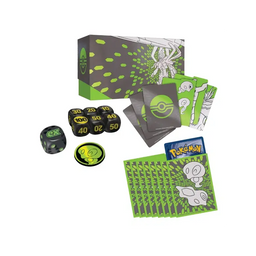
Even when trading is your main approach, sealed product and accessories help you keep the hobby moving. Opening packs can refresh your trade binder, while sleeves, binders, and storage boxes keep your collection safe and presentable. If you also play or collect TCGs, there is a lot of overlap in what you need: reliable protection, consistent organization, and a steady stream of new cards to trade.
At tcgshops.com, we focus on TCG products for Pokemon, Riftbound, One Piece, and Magic. If you enjoy trading culture in football cards, you will likely enjoy trading in TCG communities too. Check tcgshops.com for product updates, and consider subscribing to the newsletter so you know when new items are available for purchase.
Conclusion
Learning how to trade football cards is one of the most rewarding ways to build a collection that feels personal, purposeful, and exciting. With clear goals, attention to condition, and a fair approach to value, you can trade confidently and keep improving your binder over time. If you want to support your collecting journey with TCG products, accessories, and new releases, visit tcgshops.com and subscribe to stay updated on what is coming next.