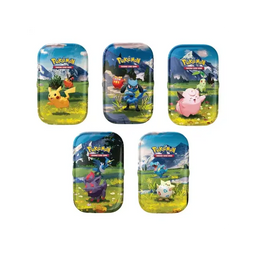
card list pokemon: The Smart Collector and Player Guide to Tracking Sets, Hits, and Deck Staples
Introduction to the product: why a reliable card list Pokemon matters
Whether you are chasing your next competitive upgrade or building a display-worthy binder, having an accurate card list Pokemon is one of the most useful tools a player or collector can keep close. A good list helps you track what you own, identify what you still need, and plan purchases around your goals instead of guessing. It also makes it easier to compare versions, spot reprints, and stay organized as new expansions arrive.
At tcgshops.com, we know how quickly a collection can grow. That is why this guide is built around the practical ways a card list can support your collecting, deck building, and budgeting, plus what to look for when you are choosing products to complete your list.
Key features collectors and players want from a card list Pokemon
A strong approach to building and using a card list is not just about writing names down. It is about creating a system that matches how you play and collect. Here are the key features most shoppers look for:
- Set-by-set tracking so you can complete collections logically, especially for modern expansions.
- Numbering and rarity awareness to help you distinguish common cards from hard-to-pull hits.
- Variant recognition such as alternate art, full art, illustration rares, special illustration rares, promo prints, and reverse holo versions.
- Deck relevance notes for players who want to prioritize staples, trainers, and key evolution lines.
- Condition and quantity fields so you know what is near mint, what is a binder copy, and what you have available to trade.
Even if you keep things simple, a consistent card list Pokemon system saves time and helps you avoid buying duplicates unless you want them for trades, playsets, or multiple decks.
Main details: how to use a card list Pokemon to build smarter
Most collectors begin with one of two goals: completing a set or collecting favorite Pokemon. Competitive players usually start with a deck idea, then expand into a broader collection over time. Your card list should match your goal.
For set collectors: complete the checklist with fewer surprises
If you are working on completing a specific expansion, your card list Pokemon should mirror the set structure. Track cards by set number and mark off what you have. Then add a separate section for higher-end variants. This is where many collectors lose track, because a set can include multiple versions of the same card artwork style.
As you open packs, update the list right away. If you wait, reverse holos and similar-looking variants can get mixed up and become harder to catalog later. Over time, this makes it much easier to decide whether you want to keep ripping packs for fun or switch to targeted pickups to finish the remaining gaps.
For competitive players: prioritize the cards that win games
For gameplay, a card list Pokemon can function like a shopping and tuning plan. Start by listing your deck core, then add categories for trainers, energy, and tech choices. Track how many copies you own and how many you need for a complete playset. That way, when a new meta deck emerges or rotation shifts what is legal, you can quickly see which staples you already have and what you need to acquire.
Keeping a play-focused list also makes it easier to avoid overbuying singles you will not actually run, and it helps you build multiple decks without constantly dismantling your main one.
For collectors who love specific Pokemon: build a personal master list
If your collection is based on favorites, your card list Pokemon can be organized by Pokemon name, era, or artwork style. Many collectors track categories like illustration style, language, promo, and special releases. This approach is great for binder planning and display, because you can decide how you want the pages to flow before you start moving cards around.
A personal master list also helps you spot cards you might not know exist yet, especially if you collect popular favorites with many printings across different generations.
What to look for when shopping to complete your card list Pokemon
Once your list is in place, it becomes a roadmap for purchases. Here are the most helpful ways to use it when shopping:
- Choose products that match your goal. If you are filling many gaps, sealed products like booster boxes or bundles can be fun. If you only need a handful of cards, targeted buying is often more efficient.
- Watch for promos and special products. Promo cards can be easy to miss when you only focus on main sets, so keep a separate section in your list for them.
- Track duplicates intentionally. Duplicates are not always bad. They are useful for trade binders, deck builds, and upgrading card condition over time.
- Plan around release cycles. New expansions can shift demand for certain cards. Updating your list as sets release helps you decide what to pick up early and what can wait.
At tcgshops.com, our goal is to make it easier to support every style of collector and player. If you are building a checklist for Pokemon, or branching into other TCGs like Riftbound, One Piece, and Magic, keeping an organized list for each game helps you stay focused and get more enjoyment from every opening and every match.
Conclusion: turn your card list Pokemon into real progress
A well-kept card list Pokemon is more than a checklist. It is a practical tool that helps you collect with confidence, build stronger decks, and make smarter purchases. If you are ready to start filling gaps or planning your next big pull session, keep your list updated and shop with a clear goal in mind.
New Pokemon TCG products and collection essentials will be available at tcgshops.com. Check our site regularly and subscribe to our newsletter to be the first to know when items go live for purchase.