How to Play Pokemon Trading Cards: A Beginner-Friendly Guide to Rules, Turns, and Winning
Introduction
If you have ever opened a booster pack and wondered what to do next, you are in the right place. Learning how to play pokemon trading cards is easier than it looks, and it is one of the most rewarding ways to enjoy the hobby. Whether you want casual games at home, competitive battles at your local league, or simply a better understanding of the cards you collect, this guide will walk you through the essentials.
Pokemon TCG is built around a simple idea: you lead a team of Pokemon, power them up with Energy, use Trainer cards for smart plays, and take Prize cards by knocking out your opponent’s Pokemon. With a few core rules and some practice, you will be ready to shuffle up and play.
What You Need to Start Playing
To begin, you will need a 60-card deck. Most decks include a mix of Pokemon, Energy, and Trainer cards. If you are brand new, a ready-to-play deck is the fastest way to learn because it is already balanced and includes the basic counts you need.
- Pokemon cards to battle with
- Energy cards to power attacks
- Trainer cards to search, draw, switch, and disrupt
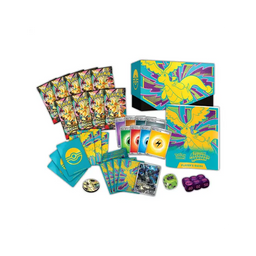
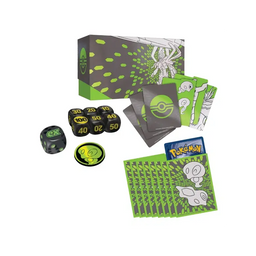
- Damage counters or dice, a coin or coin flip die, and condition markers
- A playmat and card sleeves are optional but recommended
If you are looking to pick up decks, boosters, and accessories to build and upgrade your collection, keep an eye on tcgshops.com for Pokemon TCG products alongside other top TCGs.
Card Types Explained
Understanding the card types is the foundation of how to play pokemon trading cards.
Pokemon
Pokemon are your main battlers. Most begin as Basic Pokemon, and some evolve into Stage 1 and Stage 2 Pokemon. Evolving usually increases HP and unlocks stronger attacks. You can only evolve a Pokemon if it has been in play since the start of your turn, so timing matters.
Energy
Energy powers attacks. Each attack shows the Energy cost required. Some decks use one Energy type, while others combine types. You can normally attach only one Energy from your hand per turn, so planning ahead is important.
Trainer Cards
Trainer cards are your strategy tools and come in three main categories.
- Items: Usually playable any time during your turn
- Supporters: Powerful effects, limited to one per turn
- Stadiums: Change the battlefield and stay in play until replaced
Many winning decks rely on Trainer cards for consistency, fast setup, and smart responses to the opponent.
How a Game Starts
Each player shuffles their deck and draws 7 cards. If you do not have a Basic Pokemon in your opening hand, you reveal your hand, shuffle it back, and draw 7 new cards. Your opponent draws an extra card for each time you have to redo your opening hand.
Next, place one Basic Pokemon as your Active Pokemon and up to five Basic Pokemon on your Bench. Then set aside 6 Prize cards face down. These Prize cards are how you track progress toward winning.
Turn Structure Step by Step
A turn in Pokemon TCG follows a clear rhythm. Once you learn it, gameplay becomes smooth and intuitive.
1. Draw
Draw one card at the start of your turn.
2. Do Anything You Want During Your Turn
This is where most decisions happen. On your turn, you may do the following in any order.
- Play Basic Pokemon to your Bench
- Evolve Pokemon that have been in play since the start of your turn
- Attach one Energy from your hand to one of your Pokemon
- Play Item cards as needed
- Play one Supporter card
- Play a Stadium card, if one is not already in play or you are replacing it
- Use Abilities on Pokemon, if allowed
- Retreat your Active Pokemon by paying its Retreat Cost in Energy
3. Attack
Choose one attack from your Active Pokemon and follow its text. If the attack does damage, place damage counters on the opponent’s Active Pokemon. Some attacks apply special effects like drawing cards, switching Pokemon, or inflicting Special Conditions.
Your turn ends after you attack.
Winning the Game
You usually win by taking all 6 Prize cards. You take a Prize card each time you Knock Out an opponent’s Pokemon. Some powerful Pokemon may cause you to take more than one Prize when they are Knocked Out, depending on the card. You can also win if your opponent cannot draw a card at the start of their turn, or if they have no Pokemon left in play.
Helpful Tips for New Players and Collectors
- Focus on consistency: Include draw and search Trainer cards so your deck sets up reliably.
- Have a clear game plan: Decide which Pokemon is your main attacker and build around it.
- Count your Energy: Too little slows you down, too much reduces your options.
- Practice prize mapping: Think ahead about which Knock Outs help you reach 6 Prizes efficiently.
- Protect your collection: Sleeves, deck boxes, and binders keep cards safe and looking great.
As you get more comfortable with how to play pokemon trading cards, you will start noticing how deck building and smart sequencing create big advantages. That is when the game becomes especially exciting for both competitive players and collectors who enjoy building themed or upgrade-ready decks.
Conclusion
Now you know the core rules, the turn flow, and the main goal of the game. The best next step is to play a few matches, learn from each turn, and slowly upgrade your deck as you discover your favorite Pokemon and playstyle. When you are ready to expand your collection with decks, boosters, and accessories, check tcgshops.com and consider subscribing to the newsletter to find out when new Pokemon TCG products are available for purchase.