How to Play With Pokemon Cards: A Beginner-Friendly Guide to Rules, Setup, and Winning Strategies
Learn the Basics: What You Need to Start Playing
If you have ever opened a pack and wondered how to play with pokemon cards, you are not alone. The Pokemon Trading Card Game (TCG) is easy to learn, fun to master, and perfect for both collectors and competitive players. In this guide, you will learn the core rules, how a standard deck works, and the flow of a real match so you can start playing with confidence.
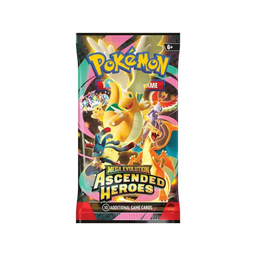
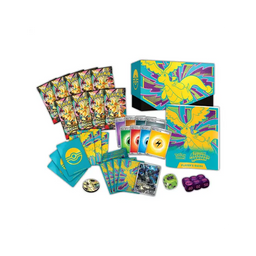
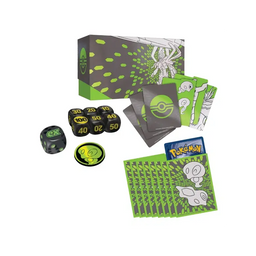
Before your first game, make sure you have the essentials. A complete deck includes 60 cards, and you will also want damage counters, a coin or dice for flips, and a few status markers. Many players begin with a prebuilt deck because it is balanced and ready to play right out of the box. When you are ready to upgrade, you can find Pokemon TCG decks, boosters, and accessories at tcgshops.com.
What Is the Goal of the Game?
The main goal is to take all of your Prize cards before your opponent does. At the start of the game, each player sets aside 6 Prize cards facedown from the top of their deck. You take a Prize card whenever you Knock Out one of your opponent’s Pokemon. The first player to take all 6 Prize cards wins.
You can also win if your opponent cannot draw a card at the start of their turn, or if they have no Pokemon left in play.
Understanding the Card Types
To truly understand how to play with pokemon cards, it helps to know the three main categories in your deck:
- Pokemon cards: Your attackers and strategy pieces. Some evolve, some are Basic, and some have powerful abilities.
- Energy cards: Used to power attacks. Most attacks require specific Energy types or colorless Energy costs.
- Trainer cards: Your support system. Trainers include Items, Supporters, Tools, and Stadiums that help you draw, search, heal, switch, and disrupt your opponent.
As you build or choose a deck, you will typically run a healthy mix of Pokemon, Trainers, and Energy. Many modern decks use fewer Energy than beginners expect because Trainers help you find Energy when you need it.
Setting Up a Game Step by Step
- Shuffle your 60-card deck and offer it to your opponent to cut.
- Draw 7 cards. If you have no Basic Pokemon, reveal your hand, shuffle it back, and draw 7 again. Your opponent draws an extra card for each time you do this.
- Put one Basic Pokemon face down as your Active Pokemon.
- Set up your Bench by placing up to 5 Basic Pokemon face down.
- Set aside 6 Prize cards face down from the top of your deck.
- Flip a coin to decide who goes first, then both players flip their Active and Benched Pokemon face up.
One key rule: the player who goes first usually cannot attack on their first turn. This keeps the opening fair and gives both players time to set up.
The Turn Structure: What You Can Do Each Turn
A Pokemon TCG turn is consistent and simple once you memorize the flow.
1. Draw
Draw one card at the start of your turn.
2. Do any of these actions in any order
- Play a Basic Pokemon to your Bench (as many as you like).
- Evolve a Pokemon (generally, a Pokemon must be in play since your previous turn to evolve).
- Attach one Energy from your hand to one of your Pokemon (only one attachment per turn).
- Play Trainer cards following their rules. Supporters are typically limited to one per turn.
- Retreat your Active Pokemon by paying its Retreat Cost with Energy, then move it to the Bench and promote a new Active Pokemon.
- Use Abilities if your Pokemon has them and the Ability allows it.
3. Attack
Choose one attack from your Active Pokemon and pay its Energy cost. Then apply damage and effects.
4. Check for Knock Outs and end-of-turn effects
If a Pokemon takes damage equal to or greater than its HP, it is Knocked Out. The attacking player takes the appropriate number of Prize cards. Then the player whose Pokemon was Knocked Out chooses a new Active Pokemon from the Bench.
How Damage, Weakness, Resistance, and Special Conditions Work
Most attacks deal a set amount of damage. Place damage counters in increments of 10 on the defending Pokemon. Then apply these common modifiers:
- Weakness: Often doubles damage from certain types.
- Resistance: Reduces damage by a fixed amount, commonly 30.
- Special Conditions: Asleep, Paralyzed, Poisoned, Burned, and Confused can change the game quickly, so read the effect text carefully.
These mechanics reward planning. Sometimes the best play is switching into a Pokemon with a favorable matchup rather than attacking immediately.
Beginner Tips for Playing Better Fast
- Prioritize setup: Early turns are about drawing cards, building your Bench, and getting Energy into play.
- Use Trainers wisely: Trainer cards are the engine of most decks. Learning when to search, draw, or disrupt matters.
- Count your Prize cards: Keep track of which Knock Outs will win the game and plan your attacks around that.
- Practice clean sequencing: Attach Energy before you play cards that might shuffle your hand away, and think through your turn before acting.
Get Ready to Play and Upgrade Your Deck
Now that you know how to play with pokemon cards, the next step is choosing a deck that matches your style and improving it over time. Whether you enjoy collecting, casual matches with friends, or learning competitive strategies, the right products make the experience smoother and more exciting.
If you are looking to start or expand your collection, keep an eye on tcgshops.com for Pokemon TCG products and accessories. You can also subscribe to the newsletter to be the first to know when new stock is available for purchase, along with releases from Riftbound, One Piece, and Magic.
Shuffle up, draw seven, and enjoy your next game.