How to Pokemon Card Game: A Beginner-Friendly Guide to Playing, Building Decks, and Collecting
Welcome to the Pokemon TCG: A Friendly Guide for Players and Collectors
If you have ever wondered how to pokemon card game in a way that feels clear, fun, and easy to follow, you are in the right place. The Pokemon Trading Card Game is one of the most popular TCGs in the world because it blends strategy, collecting, and the excitement of pulling powerful cards. Whether you are brand new or returning after a long break, learning the basics helps you play with confidence and make smarter choices when building your collection.
At tcgshops.com, we support players and collectors with TCG products across Pokemon, Riftbound, One Piece, and Magic. This guide will walk you through the essentials of how the Pokemon TCG works, what you need to get started, and how to choose products that fit your goals.
Key Features That Make the Pokemon Card Game So Enjoyable
- Easy to learn, rewarding to master: simple turn structure with deep deck-building strategy
- Iconic Pokemon and evolving mechanics: classic favorites plus new cards every set
- Great for collecting: chase cards, art styles, rarities, and competitive staples
- Multiple play styles: aggressive attackers, setup decks, control options, and combo-based plans
What You Need to Start Playing
To learn how to pokemon card game, you only need a few basics:
- A 60-card deck
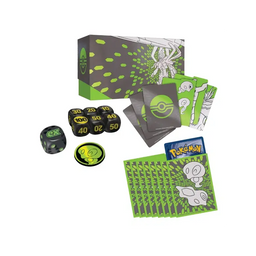
- Damage counters or dice
- A coin or coin-flip die
- A playmat is optional but helpful for keeping your board organized
Most new players begin with a prebuilt deck or starter-focused product because it includes a ready-to-play list and helps you understand card types and pacing. Once you know what you enjoy, you can upgrade with singles, booster packs, or more competitive deck products when they become available at tcgshops.com.
Understanding the Main Card Types
Pokemon TCG decks are built around three core types of cards:
- Pokemon: your main attackers and setup pieces. Many Pokemon evolve into stronger forms.
- Energy: required to power attacks. Each attack shows an Energy cost.
- Trainer cards: the engine of your deck. They help you draw cards, search your deck, switch Pokemon, remove threats, and execute strategy.
A strong beginner tip is to prioritize consistent Trainer cards. Even a deck with powerful Pokemon can struggle if it cannot draw or search efficiently.
How a Typical Game Is Set Up
- Shuffle your 60-card deck and draw 7 cards.
- Choose a Basic Pokemon from your hand as your Active Pokemon.
- Place up to 5 Basic Pokemon on your Bench (optional).
- Set aside 6 Prize cards from the top of your deck.
- Flip a coin to decide who goes first, then begin turns.
The main goal is to take all of your Prize cards. You usually take a Prize card each time you Knock Out an opponent’s Pokemon, though some powerful Pokemon give up more prizes.
Turn Structure Explained Simply
If you are learning how to pokemon card game, the turn structure is the most important pattern to understand. A turn generally looks like this:
- Draw a card.
- Do any of the following in any order: play Trainer cards, attach one Energy, evolve Pokemon (when allowed), use Abilities, retreat your Active Pokemon (paying a cost), and put down Basic Pokemon to your Bench.
- Attack to end your turn, if you are able.
Most games are decided by momentum. Attaching Energy every turn, drawing into key pieces, and setting up your Bench early are common keys to winning.
How Evolution and Energy Work Together
Evolution is a big part of what makes Pokemon feel like Pokemon. Many Basic Pokemon evolve into Stage 1, and then into Stage 2. Evolved Pokemon usually have higher HP and stronger attacks. You typically cannot evolve a Pokemon the same turn it was played, so planning ahead matters.
Energy is your fuel. You can attach one Energy from your hand each turn, so decks often include Trainer cards that accelerate Energy or help you find the right type quickly. When building your deck, aim for a balanced plan: enough Energy to attack consistently, but enough Trainers to avoid dead hands.
Deck Building Tips for New Players and Collectors
- Start with a clear win condition: decide which Pokemon is your main attacker.
- Run multiple copies of key cards: consistency beats randomness.
- Include draw and search Trainers: they make your deck smoother and more enjoyable.
- Plan your Bench: include support Pokemon that help you set up or keep attacking.
- Protect your strategy: consider switching options, healing, or disruption depending on your style.
If you collect as well as play, you can enjoy both sides of the hobby. Open boosters for the thrill and art, then round out your deck strategy with targeted additions when available at tcgshops.com.
Choosing the Right Pokemon TCG Products
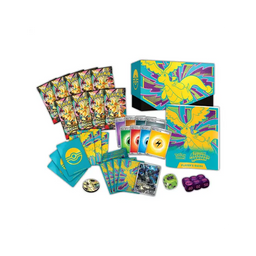
Different products serve different goals. Players often prefer products that provide a playable foundation, while collectors may prefer items with more packs for pulls. Many trainers use a mix: a structured starting point plus boosters to customize and collect.
As you explore how to pokemon card game, keep an eye on products that help you learn quickly and upgrade efficiently. tcgshops.com focuses on TCG products for Pokemon and more, so you can build your next deck, expand your binder, or prepare for your next event in one place.
Conclusion
Learning how to pokemon card game is a rewarding step into a hobby that combines strategy, community, and collecting. Start with the basics, play a few games, and you will quickly see what styles and Pokemon you enjoy most. When you are ready to pick up your next deck or booster products, check tcgshops.com and subscribe to the newsletter to be the first to know when the items you want become available for purchase.