Pokemon Game Cards Value Guide: What Drives Prices and How to Collect Smarter
Introduction: Why Pokemon Game Cards Value Matters to Players and Collectors
Understanding pokemon game cards value is one of the most useful skills you can build as a player, collector, or investor in the Pokemon Trading Card Game. Whether you are opening packs for fun, building a competitive deck, or hunting for rare collectibles, card value helps you make smarter choices. It can guide what to trade, what to grade, what to protect, and even what to keep sealed for the long term.
At tcgshops.com, we love helping the community stay informed while offering a trusted place to shop for TCG products across Pokemon, Riftbound, One Piece, and Magic. In this guide, you will learn what drives value, how to spot high-potential cards, and how to protect your collection so it holds its worth.
Key Features That Influence Pokemon Game Cards Value
Pokemon card value is not random. It usually comes down to a few consistent factors that experienced collectors watch closely:
- Rarity and pull rate: Secret rares, alternate arts, and special illustration rares typically have lower pull rates and higher demand.
- Condition: A near-mint card can be worth many times more than the same card with whitening, scratches, or dents.
- Playability: Cards used in competitive decks can spike in value when they become meta-relevant.
- Set popularity and print availability: Some sets stay available longer; others dry up quickly, which can support higher prices.
- Character appeal: Fan favorites like Pikachu, Charizard, Eeveelutions, and popular Legendaries often command premium prices.
Main Details: How Value Is Created in the Pokemon TCG Market
To understand pokemon game cards value, it helps to recognize that Pokemon cards have two overlapping markets: the player market and the collector market. Player-driven value is tied to tournaments and deckbuilding. Collector-driven value is tied to rarity, art, nostalgia, and long-term desirability. The strongest cards often sit at the intersection of both: visually stunning cards featuring iconic Pokemon that also have meaningful demand.
1) Card Types That Commonly Hold Value
While any card can become valuable under the right conditions, a few categories tend to stand out:
- Ultra rare and above: Full arts, hyper rares, secret rares, and special art variants are often the first place collectors look.
- Alternate art style cards: These typically have strong collector appeal due to unique artwork and perceived scarcity.
- Promos and limited releases: Certain promo cards gain value because they are distributed in smaller quantities or tied to events.
- Vintage and early-era cards: Older cards can be highly sought after, especially in top condition.
2) Condition, Grading, and Why They Matter
Condition is one of the biggest multipliers in pokemon game cards value. If you are pulling cards from packs, handle potential hits carefully right away. Centering, corner sharpness, surface quality, and edges all matter. Even a small bend can dramatically reduce value.
Some collectors choose to grade high-end cards. Grading is not always necessary, but it can help authenticate, protect, and standardize condition for resale. If you are considering grading, focus on cards that are both desirable and clean, because grading costs and turnaround time are factors too.
3) Sealed Products vs Singles: Different Value Strategies
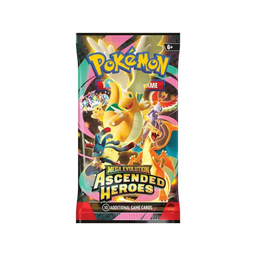
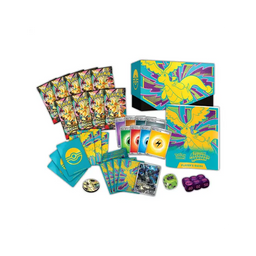
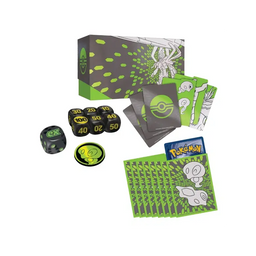
There are two popular approaches to collecting based on value. Sealed products, like booster boxes, premium collections, and special sets, can perform well over time if they become hard to find. Singles, on the other hand, let you target specific cards without relying on luck.
If your goal is building a deck, singles are usually the most efficient route. If your goal is collecting chase cards, sealed can be fun, but keep expectations realistic. Many collectors use a balanced strategy: open some product for the experience and buy key singles to complete goals.
4) Timing: When Values Change
Values often shift around three key moments:
- Release window: Early prices can be volatile as supply and demand settle.
- Competitive season changes: A card can rise quickly if it becomes central to popular decks.
- Reprints and restocks: If a set is reprinted heavily, prices can soften due to increased supply.
A helpful habit is to track what you like rather than chase every spike. Building a collection around your favorite Pokemon, artists, or eras is usually the most satisfying approach, and it naturally reduces the stress of market swings.
Tips to Protect and Preserve Pokemon Game Cards Value
Protecting your cards is one of the easiest ways to maintain value over time. A few best practices can make a huge difference:
- Sleeve valuable pulls immediately and store them in a sturdy binder or top loader.
- Keep cards away from heat, humidity, and direct sunlight.
- Use clean hands and a clear workspace when sorting or trading.
- For sealed items, avoid crushing, dents, and long-term exposure to moisture.
Good storage is not just for expensive cards. Today’s common pulls can become tomorrow’s favorites, and condition will always matter.
Conclusion: Build Smarter With Pokemon Game Cards Value in Mind
Learning pokemon game cards value helps you collect with confidence, trade fairly, and protect what you love. From rarity and condition to playability and timing, value is shaped by both the game and the community around it.
If you are looking to expand your collection or gear up for your next deck, keep an eye on tcgshops.com. Our selection spans Pokemon, Riftbound, One Piece, and Magic, and you can subscribe to our newsletter to know when new products are available for purchase.