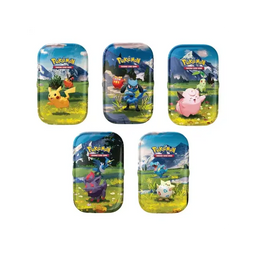
Pokemon Market Guide 2026: Prices, Trends, and Smart Buying Tips for Players and Collectors
Understanding the Pokemon Market in 2026: What Drives Value and How to Buy Smarter
The pokemon market has never been more dynamic. Whether you are a competitive player chasing the best cards for your deck or a collector looking for long-term value, knowing what influences prices can help you make confident decisions. With new sets, special releases, reprints, and shifting player demand, the difference between a good purchase and an expensive mistake often comes down to timing and product selection.
In this guide, we will break down the key features of today’s pokemon market, explain what typically moves card and sealed product prices, and share practical buying tips. If you are looking to shop with confidence, keep an eye on upcoming drops and restocks at tcgshops.com, your online store for Pokemon, Riftbound, One Piece, and Magic products.
Key Features of the Pokemon Market Right Now
To understand the pokemon market, it helps to think of it as a mix of three groups: players, collectors, and investors. Each group buys for different reasons, and that creates predictable trends:
- Player demand pushes prices for playable staples, especially right after set release and before major events.
- Collector demand drives premium for alternate art, illustration rare style cards, and nostalgic characters.
- Sealed product demand rises around limited releases, strong set reputations, and holiday seasons.
These forces often overlap. A card that is both tournament-relevant and visually desirable can spike fast, while sealed boxes from popular sets can trend upward after they become harder to find.
Main Details: What Actually Moves Prices in the Pokemon Market
1) Set Releases and the First 2 to 4 Weeks
Most sets follow a familiar price curve. Early on, hype is high and supply is still settling. Singles can be expensive because players want new options immediately and collectors rush to complete binders. As more packs get opened, many cards drop. If you are not trying to play a card right away, waiting a bit can often help.
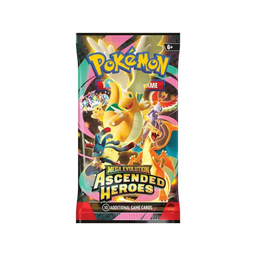
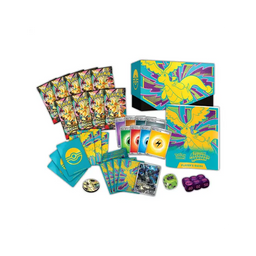
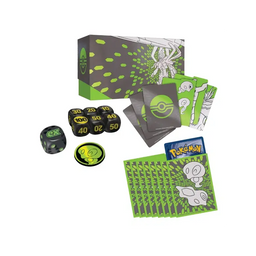
Sealed products can behave differently. If a set is perceived as strong, booster boxes and elite trainer boxes may sell quickly. When inventory tightens, prices can rise even while many singles fall.
2) Competitive Meta and Tournament Results
When a deck wins a major event, the key cards often jump overnight. This is especially true for versatile Trainer cards, efficient attackers, or support pieces that appear across multiple decks. If you follow tournament results and community chatter, you can sometimes anticipate which cards will become staples.
For players, this means planning ahead matters. Picking up core pieces earlier, or buying sealed product at release, may be more cost-effective than chasing singles during a spike.
3) Rarity, Artwork, and Character Popularity
Collectors heavily influence the premium end of the pokemon market. Cards with standout art, low pull rates, or fan-favorite Pokemon tend to hold value better. Even when the competitive scene changes, iconic characters and stunning artwork can keep demand steady.
If your goal is collection building, focus on what you genuinely want to own. Long-term satisfaction usually beats trying to guess the next big hit.
4) Reprints and Product Availability
Reprints are one of the biggest reasons prices fall. When a card becomes easier to find, supply rises and the market typically corrects. Similarly, when sealed product is reprinted or restocked, sealed prices can stabilize or dip.
That is why availability matters so much. Shopping from a reliable TCG store with consistent restocks can help you avoid overpaying during temporary shortages. When Pokemon products are available, check tcgshops.com to see what is in stock or coming soon.
5) Condition, Grading, and Long-Term Collecting
For collectors, condition is value. The same card can vary widely in price depending on centering, surface condition, corners, and whether it has been played. If you are building a premium collection, consider sleeving and storing cards immediately and using top loaders for higher-value pulls.
Graded cards introduce another layer: scarcity by condition. While grading is not necessary for everyone, it can matter for truly collectible chase cards. If you are not grading, buying near-mint singles and protecting them well still makes a big difference.
How to Buy Smarter: Practical Tips for Players and Collectors
- Set a goal first: building a deck, completing a set, or hunting specific artwork will guide your budget.
- Do not chase every spike: many price jumps cool off after hype settles or a reprint is announced.
- Mix sealed and singles: sealed is fun for openings and long-term collecting, while singles are efficient for deck building.
- Protect your pulls: good sleeves and storage preserve condition and help maintain value.
- Watch release calendars: buying at the right time can be as important as what you buy.
If you want a simple strategy, many players open a little sealed product for enjoyment and then buy the remaining singles they need. Collectors often prefer targeted singles for specific art styles, while sealed collectors prioritize sets with strong reputations and memorable chase cards.
Conclusion
The pokemon market rewards knowledge, patience, and clear goals. By understanding how supply, demand, playability, and collectibility interact, you can make smarter purchases and enjoy the hobby more. Whether you are preparing for your next tournament or building a collection you are proud of, tcgshops.com is a great place to stay updated on upcoming Pokemon releases and restocks. Check the shop regularly and subscribe to the newsletter so you know when new products become available for purchase.