PTCG Trading Guide: How to Trade Pokemon Cards Smarter and Build Your Collection Faster
Introduction to PTCG Trading and Why It Still Matters
Whether you’re chasing your next competitive upgrade or hunting a centerpiece card for your binder, ptcg trading remains one of the most exciting parts of the Pokemon Trading Card Game community. The right trade can turn duplicates into deck staples, help you complete a set faster, and keep your collection moving in a way that feels both strategic and social. In a hobby where new releases, reprints, and meta shifts happen constantly, smart trading is a real skill that rewards players and collectors alike.
This guide breaks down key approaches to ptcg trading, focusing on value, condition, authenticity, and timing. If you want to trade with confidence and build a collection you’re proud of, these practical tips will help you avoid common pitfalls and spot real opportunities. When you’re ready to pick up sealed product, singles, or supplies to support your trading goals, you’ll be able to find what you need at tcgshops.com.
Key Features of Successful PTCG Trading
Great trades usually have a few things in common. Keep these features in mind any time you evaluate an offer:
- Clear goals: trading for play, for collection, or for long-term value
- Accurate card condition checks: corners, surface, centering, and edges
- Fair value alignment: comparing cards by demand, rarity, and current market interest
- Authenticity awareness: recognizing real cards and avoiding risky deals
- Timing: understanding how new sets and competitive results impact demand
Main Details: How to Trade Pokemon Cards the Smart Way
1) Start With a Plan: Player Trades vs Collector Trades
Before you trade, decide what “win” looks like. Competitive players often prioritize functional value: playsets, staple Trainers, and meta-relevant Pokemon. Collectors may prioritize artwork, rarity tiers, set completion, and condition. These goals influence what you should accept or decline.
If you’re building decks, you may trade a flashy alternate art for multiple playable staples to finish two decks at once. If you’re collecting, you might do the opposite and consolidate several mid-tier cards into one premium card in strong condition.
2) Understand Demand Drivers in PTCG Trading
In ptcg trading, demand changes fast. Here are common reasons a card’s trade appeal rises or falls:
- Competitive results: a card that performs well in tournaments becomes more desirable
- New set releases: new synergies can turn older cards into must-haves
- Reprints: reprints can reduce scarcity and shift trade expectations
- Collector trends: popular Pokemon, special illustrations, and chase rarities stay in demand
A practical approach is to trade into cards with stable demand. Staple Trainers and broadly useful support cards can be easier to move later than niche pieces that only fit one deck.
3) Condition Is a Deal Maker or Deal Breaker
Condition is one of the biggest sources of confusion in ptcg trading. Two copies of the same card can differ dramatically in trade value if one has edge whitening or surface scratches. Always check:
- Front and back surfaces under light for scratches or print lines
- Corners and edges for whitening or dents
- Centering for collector-grade standards if that matters to you
- Foil areas for scuffs and clouding
When trading higher-end cards, sleeves and top loaders are essential. Protecting condition preserves value and makes future trades smoother. If you need supplies, keep an eye on tcgshops.com for protectors and storage options alongside sealed and singles.
4) Trade Fairly With Real Comparisons
Fair trading isn’t just matching a number. It’s matching liquidity and desirability. A single high-demand card can be easier to trade later than five low-demand cards, even if the totals look similar. Consider:
- How quickly each card would move if you wanted to trade again
- Whether the card is a staple, a collector chase, or a niche piece
- Condition differences between the cards on each side
If you’re unsure, propose a balanced adjustment such as swapping one card for a similar-demand alternative or adding a small extra card to close the gap. The best trading partners are the ones who want to trade with you again later, so aim for deals that feel good on both sides.
5) Avoid Common Trading Mistakes
Even experienced players slip up. These are some of the most common mistakes in ptcg trading:
- Overvaluing what you own and undervaluing what you want
- Ignoring rotation and format changes if you play competitively
- Trading for quantity over quality without considering future trade ease
- Failing to check card condition before finalizing
Another big one is rushing. The best trades usually come from patient negotiation and knowing when to walk away. If a deal feels unclear, it’s okay to pause and revisit after you’ve verified condition and demand.
6) Use Sealed Product Strategically
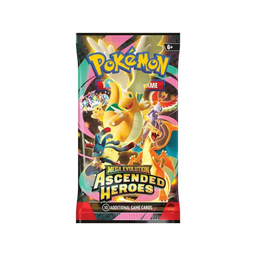
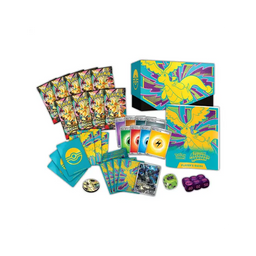
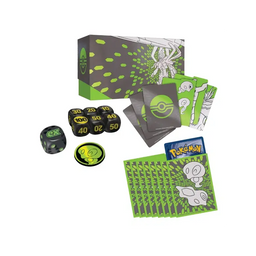
Sealed product can support ptcg trading in two ways: it can help you pull trade bait, and it can be trade bait itself. Some collectors and players value sealed items because they’re consistent, protected from condition issues, and easy to store. If you like trading at events or with friends, having a mix of singles and sealed can give you more flexible options.
When you’re ready to restock, tcgshops.com is a convenient place to watch for Pokemon products, along with other major TCG lines like Riftbound, One Piece, and Magic, especially if you enjoy trading across multiple communities.
Conclusion: Make PTCG Trading Work for You
PTCG trading is one of the best ways to grow your collection and sharpen your deck without always relying on packs. With a clear goal, careful condition checks, and an understanding of demand, you can trade confidently and build toward exactly what you want. If you’re looking to support your next trade session with singles, sealed products, or accessories, check tcgshops.com and subscribe to the newsletter to find out when new items are available for purchase.