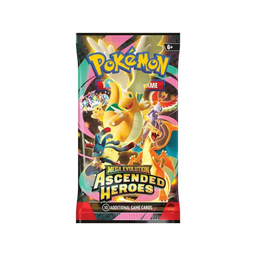
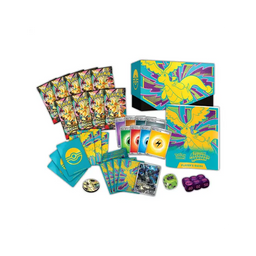
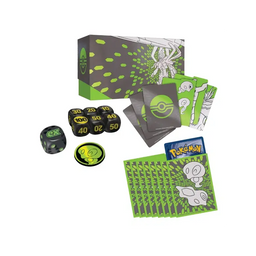
tcg decklist Guide: Build, Refine, and Upgrade Winning Decks with tcgshops.com
Building a winning tcg decklist is one of the most rewarding parts of any trading card game. Whether you play Pokemon, Magic, One Piece, or you are getting ready for Riftbound, a well-structured decklist helps you stay consistent, test smarter, and show up to events with confidence. In this guide, we will walk through what makes a strong tcg decklist, how to refine it for competitive play, and how to keep it collector-friendly if you enjoy upgrading with premium versions. If you want to turn your ideas into a playable list with real results, this article is your step-by-step starting point.
Why your tcg decklist matters
A tcg decklist is more than a list of cards. It is your strategy written down in a format you can test, share, and improve. Players who track their decklists consistently tend to identify problems faster, make better card choices, and adjust more effectively to changing metagames. Collectors benefit too, because a decklist gives direction for what to hunt next, whether that is staples, alternate art upgrades, or playsets for long-term value.
Key features of a strong tcg decklist
Most successful decklists, across nearly every TCG, share a few important traits:
- Consistency: You can execute your main plan in most games, not only the perfect ones.
- Clear win condition: Your deck has a defined way to close games and a path to get there.
- Solid card ratios: The right balance of core engine pieces, support cards, and answers.
- Adaptability: Built-in flexibility to handle popular matchups through tech choices.
- Legal and event-ready: Easy to submit for tournaments and easy to verify for format rules.
Main details to include in a tournament-ready tcg decklist
Even if each game has its own deck size, resource system, and rules, your decklist should always be organized into clear sections. This makes testing easier and helps you see what is missing.
1) Core strategy and win condition
Start by writing a one-sentence goal for your deck. For example, you might aim to apply early pressure, set up a powerful late-game combo, or control the board until your finisher takes over. Once you know the plan, choose the cards that directly support it. A common deckbuilding mistake is including too many cards that are individually strong but do not contribute to the deck’s main purpose.
2) The engine and consistency package
The engine is what helps you find your key cards reliably. Depending on the TCG, this may include search effects, draw power, tutors, recursion, or cards that generate resources efficiently. When you are tuning your tcg decklist, ask yourself how often you can access your best cards by the time you need them. If the answer is not often enough, your deck needs more consistency tools, not more flashy finishers.
3) Interaction and answers
Every strong deck needs ways to respond to the opponent. This includes removal, disruption, defensive options, and ways to break opposing setups. The best decklists strike a balance between advancing their own plan and preventing the opponent from executing theirs. If your local scene leans aggressive, you may need more early interaction. If it leans combo or control, you may need disruption that hits key turns.
4) The sideboard or flex slots
Many TCG formats include a sideboard, while others rely on flexible slots in the main deck. Either way, reserve space for cards that improve specific matchups. When metagames shift, these are the easiest cards to adjust without rebuilding the entire tcg decklist from scratch. Keep notes on which cards you bring in or swap out and why, so you can refine your choices over time.
How to refine a tcg decklist through testing
Deckbuilding does not end when the list is written. It starts there. A practical testing routine can quickly level up your results:
- Goldfish hands: Practice opening hands and early turns to measure consistency.
- Play targeted matchups: Test against the decks you expect to face most often.
- Track results: Record wins, losses, and the cards that felt weakest in real games.
- Change one thing at a time: Small adjustments reveal what actually improves performance.
As you test, watch for common signals that a decklist needs tuning. If you frequently get stuck without resources, add more resource smoothing. If you often draw the wrong half of your deck, adjust ratios or add more search and draw. If you lose to the same threat repeatedly, identify the best answer and make room for it.
Building for players and collectors
A great tcg decklist can also be a satisfying collector project. Once the list performs well, you can upgrade gradually. Start by securing the hard-to-find staples, then look for premium versions like foils, alternate art, or limited printings. This approach lets you enjoy the deck immediately while slowly turning it into a centerpiece of your collection.
It also helps to keep a second copy of your list: one version optimized for competitive play and another version planned for collecting goals. That way you can protect high-end cards while still having a ready-to-play deck for events.
Get ready to build your next tcg decklist with tcgshops.com
If you are ready to craft, upgrade, or complete your next tcg decklist, keep an eye on tcgshops.com for TCG products across Pokemon, Riftbound, One Piece, and Magic. Whether you need boosters for pulls, singles to finish a competitive list, or sealed product to support your collection goals, the right cards make the deckbuilding process more exciting and more reliable.
Check tcgshops.com for availability and consider subscribing to the newsletter so you can be among the first to know when new products drop and when deckbuilding essentials are ready for purchase. Your next best decklist might be one smart update away.