tcg magic card prices: A Smart Buyer Guide for Magic Players and Collectors at tcgshops.com
Introduction: Navigating tcg magic card prices with confidence
If you have ever searched for tcg magic card prices, you already know how quickly values can change. A single reprint announcement, a new Standard breakout deck, a Commander staple surging in popularity, or even a fresh wave of collector interest can move the market overnight. That is exactly why understanding price drivers matters, especially if you are buying to play, collecting long term, or trading to build value over time.
At tcgshops.com, we support TCG players and collectors across Magic, Pokemon, One Piece, and Riftbound. This guide focuses on Magic and gives you a practical, player friendly way to think about pricing so you can shop smarter and feel good about what you buy.
Key factors that shape tcg magic card prices
Magic card prices are not random. They typically move based on a few predictable factors. When you recognize these patterns, it becomes easier to spot whether a card is fairly priced for your goals.
Play demand: Tournament formats such as Standard, Modern, Pioneer, and Legacy can drive sharp price changes when a card becomes a staple. Commander demand can be even more steady because it comes from a huge, long term player base.
Supply and print history: A card with limited print runs or older sets often commands higher prices, while widely opened sets can keep prices lower. Reprints can increase supply and push prices down, though premium versions may hold value better.
Rarity and desirability: Mythic rares, popular commanders, efficient removal, and universal mana fixing tend to be in constant demand. Cards that fit many decks usually have stronger price support.
Condition and grading: Near Mint cards generally carry the best resale value. Small differences in condition can matter, especially for older cards and collectibles.
Edition, finish, and variants: Regular, foil, extended art, borderless, showcase, and serialized versions can each have their own market. Collectors often pay a premium for the most visually appealing or rare treatments.
Understanding product types: singles, sealed, and accessories
When tracking tcg magic card prices, it helps to separate what you are buying into categories because each behaves differently.
Singles: Best for players who want specific upgrades without gambling on pulls. Singles are also the clearest way to target value, since you pay only for what you need.
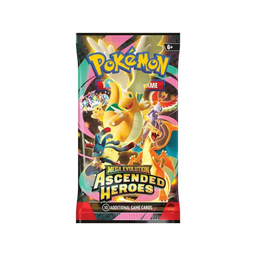
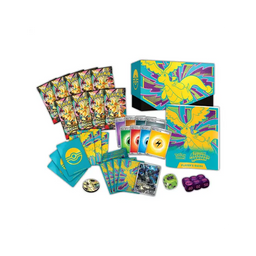
Sealed product: Boosters, bundles, and collector products are great for the experience of opening packs and building a collection. Sealed pricing often reflects overall set strength, chase card value, and print availability.
Deck products: Preconstructed decks can offer strong value when they include multiple format staples. If a precon contains several in demand cards, it can rise in price after it leaves print.
Accessories: Sleeves, deck boxes, binders, and playmats do not affect card prices directly, but they protect value. Good protection keeps your cards in better condition, which matters if you ever trade or resell.
How to buy smarter when prices move
Many players feel pressure to buy at the wrong moment, especially when a card spikes. A few simple habits can help you avoid overpaying and keep your collection healthy.
First, define your purpose. If you need a card for weekly play, buying sooner can be worth it to get games in right away. If you are collecting, you may prefer to wait for restocks or reprint news that could lower prices.
Second, prioritize versatility. Cards that work in many decks tend to hold value better than narrow, one strategy pieces. Staples like efficient interaction, strong mana bases, and universally useful Commander cards are often safer picks.
Third, watch the format calendar. Rotation, bans, and set releases can shift demand. Prices often rise when a card becomes newly relevant and soften when the metagame moves on.
Finally, consider condition and version. If you want the best value for gameplay, a regular Near Mint copy is usually the most cost effective. If you care about display and long term collectibility, premium variants can be more appealing, but they are more sensitive to collector trends.
Collector perspective: what tends to hold value
Collectors often focus on scarcity, uniqueness, and long term appeal. While no price is guaranteed, certain traits have historically supported demand.
Iconic characters and story moments that remain popular across years
Older printings and limited availability sets
Premium treatments with strong artwork and lower supply
Cards with lasting Commander demand, since Commander interest tends to be steady
If you are building a collection, storing cards properly matters as much as buying well. Protecting cards with sleeves and binders can help preserve condition and keep your collection looking sharp.
Why shop at tcgshops.com
Whether you are tracking tcg magic card prices to build a competitive deck, improve your Commander lineup, or curate a collection, having a reliable store makes the process easier. At tcgshops.com, we aim to be a go to destination for TCG fans, with products spanning Magic alongside Pokemon, One Piece, and Riftbound. That means you can support multiple hobbies in one place and stay connected to new releases and restocks.
If you are planning your next Magic purchase, check tcgshops.com and consider subscribing to our newsletter so you can be among the first to know when new Magic products and key cards are available for purchase.
Conclusion
Tracking tcg magic card prices does not have to feel overwhelming. When you understand the basics of demand, supply, card versions, and timing, you can buy with confidence and build the collection or deck you really want. Visit tcgshops.com and subscribe to our newsletter to stay updated on availability and find the right Magic products for your next upgrade.