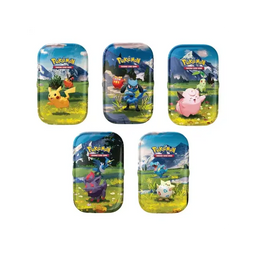
TCG Pocket Cards: The Best Way to Store, Protect, and Organize Your Trading Card Collection
Why TCG Pocket Cards Matter for Players and Collectors
Whether you are building your next tournament deck or organizing a growing collection, tcg pocket cards have become one of the simplest ways to keep valuable cards protected, easy to browse, and ready to trade. Pocket-style storage products like binder pages and card pockets are designed to keep your collection neat while reducing everyday wear such as edge whitening, surface scuffs, and accidental bends. For many players, they also make deck management faster, especially when you are testing lists, swapping staples, or traveling to events.
At tcgshops.com, we focus on products that support real TCG routines, from protecting your favorite Pokemon pulls to keeping your Magic staples safe, to organizing One Piece leaders and key Riftbound cards. If you are upgrading your storage setup or starting from scratch, understanding how tcg pocket cards work and what to look for will help you buy smarter and protect your collection long term.
Key Features That Make TCG Pocket Cards a Smart Upgrade
Not all storage solutions treat your cards the same. Quality tcg pocket cards are designed around protection, visibility, and convenience. Here are the features that matter most for players and collectors.
Clear visibility for easy browsing: Pocket layouts keep cards visible without constant handling, making it easier to show a trade binder or track your collection.
Protection during storage and travel: Proper pockets reduce friction and help prevent corner dings when flipping pages or moving binders.
Efficient organization: You can group cards by set, rarity, deck role, or format, which is especially helpful when you collect across multiple games.
Space-saving storage: Pocket systems let you store a large number of cards in a compact, tidy format compared to loose boxes.
Main Details: What Are TCG Pocket Cards and How Do They Work?
In most TCG storage conversations, tcg pocket cards refers to pocket-style card storage solutions, usually binder pockets and page sleeves that hold individual cards in separate compartments. These are the familiar multi-pocket pages that go into binders, as well as pocket pages built into zipper binders. The goal is simple: keep each card in its own spot, reduce movement, and make your collection easy to flip through.
Here are the most common ways players and collectors use them:
Collection binders: Store favorite pulls, full sets, master sets, and artwork you want to display.
Trade binders: Keep trade-ready cards clean and easy to browse during meetups and locals.
Deck building references: Organize staples by color, type, or deck archetype so you can quickly pull what you need.
What to Look for When Choosing Pocket Storage
If you want tcg pocket cards that actually protect your collection, focus on build quality and fit. A great binder page or pocket system should feel sturdy, hold cards securely, and remain clear over time.
Consider these factors before you buy:
Pocket orientation: Side-loading pockets generally hold cards more securely during travel, while top-loading can be easier for quick insertions in a stationary binder.
Pocket size and fit: Standard TCG cards typically fit well, but if you use thicker inner sleeves or double-sleeving, you will want pockets that do not feel tight.
Material clarity and durability: Clear, sturdy pockets help you enjoy artwork while reducing the chance of creases or wear from repeated page turns.
Binder compatibility: Some pocket pages are made for ring binders, while others come as built-in pages in dedicated binders. Pick the style that matches how you store and transport cards.
How TCG Pocket Cards Support Popular Games
Different games create different storage needs. If you collect and play multiple TCGs, pocket systems help you keep everything separated while still accessible.
Pokemon: Perfect for organizing sets, chase cards, full arts, and trade binders. Many collectors like to keep pages ordered by set number for easy completion tracking.
Magic: Great for sorting staples, commander pieces, and format-specific playables. Pocket pages make it easy to maintain a rotating pool for deck brewing.
One Piece: Useful for leaders, playsets, and trade-ready cards. You can organize by color or archetype to speed up deck adjustments.
Riftbound: Ideal for building a clean collection from the beginning and keeping early pulls protected as the game grows.
Simple Organization Tips to Get More Value from Your Pockets
Even the best tcg pocket cards work best with a consistent system. A little planning makes your binder faster to use and more enjoyable to browse.
Use one section per game: If you collect multiple TCGs, dedicate binder sections so cards do not get mixed.
Separate playables from collectibles: Keep deck staples in a build binder and keep high-value favorites in a display binder.
Label by set or archetype: Quick labels help you find what you need during deck building or trading.
Avoid overstuffing: If pockets feel tight, spread cards across more pages to reduce pressure and potential bending.
Conclusion: Protect Your Collection and Play with Confidence
TCG pocket cards are an easy upgrade that pays off every time you build a deck, organize a new haul, or bring trades to your local scene. They help keep your cards clean, visible, and ready for play while supporting a collection that can grow without becoming a mess.
If you are ready to improve your storage setup, check tcgshops.com for TCG products across Pokemon, Riftbound, One Piece, and Magic. Subscribe to our newsletter to know when your next storage essential becomes available for purchase and to stay updated on new arrivals.