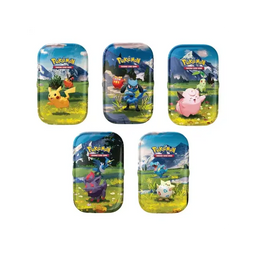
Trade Cards Guide: How to Choose the Best Pokemon, Riftbound, One Piece, and Magic Products at tcgshops.com
Introduction
For many players and collectors, trade cards are more than a hobby. They are a way to explore new strategies, chase iconic artwork, and build collections that grow in value and meaning over time. Whether you enjoy cracking packs, upgrading a competitive deck, or hunting down that one missing card for your binder, having the right products and a reliable place to shop makes all the difference.
At tcgshops.com, we focus on the trading card games people actually play and collect, including Pokemon, Riftbound, One Piece, and Magic. This guide highlights what makes trade cards exciting today, the product types worth knowing, and how to choose what fits your goals, so you can shop with confidence when the next release drops.
Why trade cards remain a top hobby for players and collectors
Trade cards sit at the intersection of gameplay, collecting, and community. For players, trade cards unlock deckbuilding options, help refine matchups, and let you customize your playstyle. For collectors, the appeal is in rarity tiers, special print treatments, and memorable characters or planeswalkers captured in premium art.
Another reason trade cards stay popular is variety. Every set release brings new mechanics, new art, and new staples. That keeps the hobby fresh whether you are building a tournament list, a themed collection, or simply enjoying casual nights with friends.
Key features collectors and players look for in trade cards
Not all trade cards are chased for the same reasons. Here are a few features that consistently matter when choosing what to buy and what to keep sealed.
Set identity and theme: Many buyers focus on specific arcs, regions, factions, or mechanics. That helps narrow choices and makes collecting feel more purposeful.
Rarity and chase cards: Ultra rares, alternate arts, and limited print variants often become the cards everyone talks about. These are the pulls that can define a set.
Playability: Competitive staples tend to hold steady interest because players need them for decks, not just binders.
Condition and protection: For valuable trade cards, storage matters. Sleeves, top loaders, binders, and deck boxes are essential for long-term condition.
When you shop for trade cards with these features in mind, you are more likely to pick products that fit your budget and goals while still keeping the fun of discovery.
Main product types explained: what to buy depending on your goal
Trade cards are sold through several product formats. Knowing what each is designed for helps you avoid overspending and get exactly what you need.
Booster packs and booster boxes
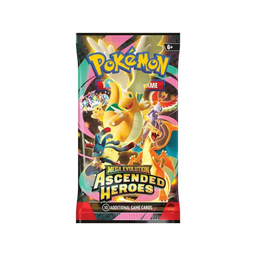
Booster packs are ideal for the excitement of opening and the chance at rare pulls. Booster boxes typically offer the best value per pack and are a popular option for set releases, drafts, and collectors who enjoy opening in quantity. If you love chasing big hits in Pokemon, One Piece, Magic, or Riftbound, sealed boosters are the classic way to do it.
Starter decks and preconstructed decks
If your priority is playing right away, preconstructed decks are the fastest path. They usually include a coherent strategy, a ready-to-play card list, and sometimes exclusive cards not found in standard boosters. For new players, these products reduce guesswork. For experienced players, they can be a convenient base to upgrade.
Collector-focused bundles and premium products
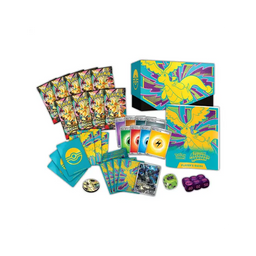
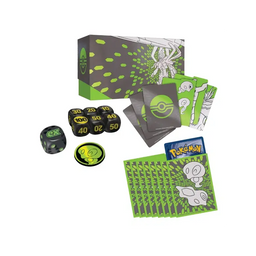
Bundles, special collections, and premium boxes often include extras like promo cards, storage boxes, or alternate art treatments. These are great when you want a mix of opening packs plus guaranteed highlights. They also make strong gifts because the presentation feels special, not just functional.
Singles for targeted deckbuilding
When you already know what you need, buying singles is the most efficient way to build. Instead of relying on luck, you can get key pieces for your deck or a specific card to complete a binder page. Many players combine approaches by opening some product for fun, then finishing the deck with singles.
How to choose the right trade cards for Pokemon, Riftbound, One Piece, and Magic
Each game has its own culture and buying habits, but a few practical questions help across the board.
Are you collecting, playing, or both: Collectors may prioritize sealed products and premium variants, while players often focus on consistent deck upgrades.
What format do you play: Magic players, for example, may buy differently for Commander versus Standard. Matching purchases to format prevents unused cards from piling up.
Do you prefer opening or certainty: If you love the surprise, boosters are perfect. If you want guaranteed results, singles and precons are your best bet.
What is your storage plan: High-value trade cards deserve protection from day one. Budget for sleeves and proper storage alongside cards.
By setting a clear goal, you can enjoy the hobby without feeling pulled in every direction by every new set.
Keeping your trade cards in top condition
Condition matters for both play and collecting. Even if you never plan to sell, keeping your trade cards clean and protected makes your collection more enjoyable and your decks feel better to shuffle. Use sleeves for any decked cards, keep higher-value hits in rigid protection, and store binders away from heat and moisture. A small amount of care goes a long way in preserving artwork and edges over time.
Conclusion
Trade cards continue to thrive because they bring together collecting, competition, and community in a way few hobbies can match. Whether you are chasing standout pulls, building a new deck, or expanding your binder with your favorite series, choosing the right product format makes the experience more rewarding.
If you are looking to pick up Pokemon, Riftbound, One Piece, or Magic products, keep an eye on tcgshops.com. Check the product pages and subscribe to the newsletter to learn when new trade cards and upcoming releases become available for purchase.