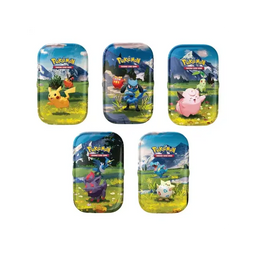
Genuine Pokemon cards: a guide to identifying originals and buying with confidence
Discover how to identify genuine Pokémon cards and why it matters for your collection
Whether you play, trade, or collect Pokémon cards, knowing how to recognize genuine ones is key to enjoying the hobby with peace of mind. In recent years, the Pokémon TCG market has grown tremendously, and with it, counterfeit copies have appeared that can confuse even experienced players. The good news is that with a clear guide and some responsible buying habits, you can avoid most of the risks and focus on what's important: building your deck, completing your favorite set, and protecting the value of your collection.
This guide explains practical signs to check for authenticity, common mistakes when buying cards, and tips to ensure your cards come from reliable sources. We also tell you how to prepare to buy safely when stock is available at tcgshops.com.
Why is it important to buy real Pokemon cards?
Authentic cards aren't just for collecting. They're also important for organized play, deck consistency, and the overall experience. Here are the main reasons:
- Print quality and durability: the finish, cut and colors remain consistent with use.
- Tournament compatibility: counterfeit cards are often detected during checks and can cause problems.
- Real value: An authentic card retains and can increase its value over time, especially if it is in good condition.
- Trades with confidence: when your community knows you handle legitimate cards, trades are easier.
How to identify real Pokemon cards: quick and effective signs
There's no single, perfect test without specialized tools, but there are several indicators that, together, help detect most counterfeits. We recommend checking more than one point before buying or exchanging.
1) Check the finish and the shine
Authentic cards typically have a consistent finish: neither too shiny nor with an exaggerated plastic effect. On holos and ultra rares, the gloss pattern appears uniform and well-aligned. On counterfeit copies, the gloss may appear washed out, excessive, or have strange reflections.
2) Observe the typography and the sharpness
On genuine Pokémon cards, the text is usually crisp with defined edges. On counterfeits, you'll often notice slightly blurry letters, inconsistent sizes, or odd spacing. Pay attention to the Pokémon's name, HP, attack text, and collection number.
3) Check the colors and contrast
A typical sign of a copy is off-key coloring: overly dark backgrounds, oversaturated yellows, or dull blues. Compare it to a known authentic card from the same set, or, if you're buying a lot, check that they all maintain color consistency.
4) Inspect edges, centering, and cutting
The centering can vary even on genuine playing cards, but the quality of the cut and edges should feel consistent. Counterfeit copies will have poorly rounded corners, uneven edges, or a cut that leaves the card with slightly different proportions.
5) Feeling to the touch and rigidity
An authentic playing card has a characteristic stiffness and texture. Many counterfeits feel too soft, too stiff, or have a slippery surface. If you notice a card that feels "sounding" when shuffling, it's worth examining more closely.
6) Signs on rare and special cards
On higher rarity cards, check that the print details are well-defined: fine lines, holo patterns, shadows, and gradients. Counterfeit copies often lack detail and appear flatter. If the card includes embossing or special effects, they should feel consistent and well-finished.
Common mistakes when buying and how to avoid them
In addition to reviewing the menu, the purchase context also matters. Some typical mistakes:
- Don't be swayed by prices that are too low: if a valuable card appears at an unrealistic price, it's a red flag.
- Buy without clear photos: avoid ads with blurry images or no photos of the back.
- Don't ask about the origin: a reliable seller can usually explain where the product comes from.
- Ignoring the actual condition: scratches, creases, or edge whitening affect the value even if the card is authentic.
If you're just starting out, a simple strategy is to prioritize sealed products whenever possible, and only buy singles when the seller offers a good reputation, detailed photos, and clear terms.
What to look for in sealed products to ensure authenticity
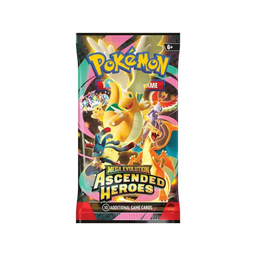
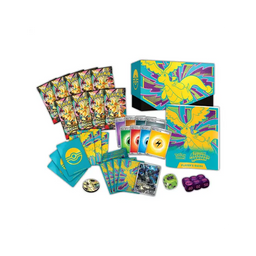
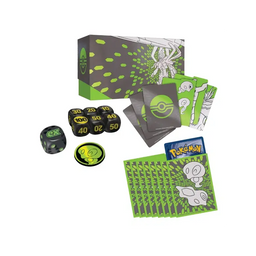
Sealed products like booster packs, boxes, and collections are usually a safer option for getting genuine Pokémon cards. When checking them, look for:
- Consistent seals and wrapping: the plastic should look tight and of good quality.
- Packaging printing: crisp colors, aligned text, and no obvious errors.
- Product integrity: avoid packaging with signs of opening, strange glues or irregular cuts.
For gamers, sealed items are also a fun way to enhance your collection, open them with friends, and get cards to trade. For collectors, preserving a sealed item in good condition can be an excellent long-term keepsake.
Shop with confidence and stay up to date at tcgshops.com
If your goal is to acquire genuine Pokémon cards with a clear and hobby-focused shopping experience, we recommend keeping an eye on tcgshops.com. Our catalog caters to players and collectors of Pokémon, Riftbound, One Piece, and Magic: The Gathering, and we update availability as new stock opportunities arise.
Visit tcgshops.com and check the Pokémon section to see when new products will be available. You can also subscribe to our newsletter to be the first to know about releases, restocks, and new arrivals—perfect if you're looking for specific sets or want to secure your next booster packs and collections.
Conclusion
Identifying genuine Pokémon cards is a skill that protects your investment, improves your trading, and allows you to enjoy the game safely. With a quick check of the finish, typography, colors, and cut, plus responsible shopping habits, you'll greatly reduce your risk of falling for counterfeit cards. If you want to take the next step and prepare for your next purchases, stay tuned to tcgshops.com and subscribe to the newsletter so you don't miss the next shipment.