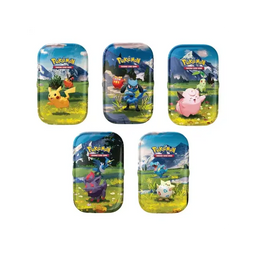
How to know how much a Pokemon card is worth: A practical guide to valuing your cards and collecting better
Introduction: How to know the value of a Pokemon card and avoid mistakes when buying or selling
If you've ever found a card in your binder and wondered how to tell how much a Pokémon card is worth, you're not alone. Between reprints, rarities, condition, and special versions, the price can vary greatly. This guide is designed for players and collectors who want to value their cards more confidently, whether for selling, trading, or simply understanding their collection better.
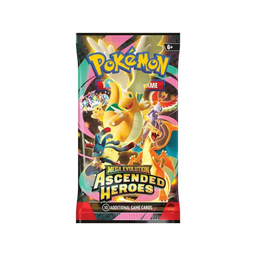
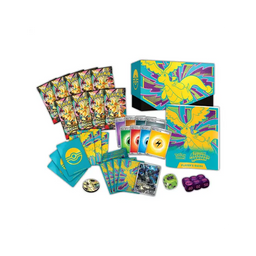
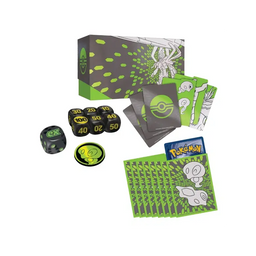
Additionally, if you're looking to expand your collection with sealed products or playing cards, you'll find items from Pokémon, Riftbound, One Piece, and Magic at tcgshops.com. You can also subscribe to their newsletter to be notified when new items become available.
What makes a Pokémon card worth more or less?
Before looking at prices, it's helpful to know what factors influence value. Understanding them helps you recognize why two "similar" cards can cost very differently.
- Rarity and card type : common, rare, ultra rare, secret, and variant. Generally, the harder to obtain, the higher the value.
- Edition and set : the expansion it belongs to and whether it is a specific version (for example, promotional cards or cards from a special product).
- Condition : the same card can be worth much less if it has bleached edges, scratches, folds or wear.
- Demand : Cards playable in competitive formats tend to rise in value if used in popular decks. Iconic cards or cards featuring favorite Pokémon can rise in value due to collecting.
- Language and region : some versions (depending on language or distribution) may be more sought after.
Step by step: how to find out how much a Pokemon card is worth in a practical way
This method helps you arrive at a realistic price range without making assumptions. Ideally, you should follow it in order.
1) Identify the letter exactly
To properly assess a card, you need its name and number. Most Pokémon cards have a number at the bottom (for example, 123/198). This information, along with the set symbol, allows you to differentiate between cards with the same Pokémon but from different expansions.
Also check if it's a variant: holographic, reverse holo, full art, special illustration, secret, promo, etc. Two versions of the same issue may exist in different finishes.
2) Check the state of conservation with a “collector’s eye”
Condition is one of the biggest determinants of price. Examine the card in good light and, if possible, with the sleeve removed (carefully). Look for:
- Edges: Is there bleaching or bumps?
- Surface: scratches, marks, or fingerprints?
- Corners: Are they clean or raised?
- Centered: Is the edge uniform or is it very off-center?
As a general rule, a card in excellent condition sells faster and for a better price. If you plan to keep valuable cards, use sleeves and hard protectors to maintain their condition.
3) Difference between “listed” price and “sold” price
A common mistake when trying to find out how much a Pokémon card is worth is to use an advertised price that no one is paying. The most reliable way is to compare it with recent actual sales prices for the same card in the same condition and version.
If you're valuing items for trade, use a range: a reasonable minimum (quick sale) and a maximum (sell patiently). This helps you negotiate fairly.
4) Consider whether it is a playable card or primarily a collector's item.
Competitive cards can vary depending on the metagame. If a card enters a popular deck, its demand increases. Conversely, cards with special art, alternate illustrations, or very popular Pokémon tend to maintain interest even outside of competitive play.
5) Be aware of reprints and similar versions
Some cards reappear in other products or sets with different artwork or minor changes. This difference can affect the value. Please confirm that the number, set, and finish exactly match the reference you are comparing.
Quick tips for collectors and buyers
- Organize your collection by sets : it will be easier to identify cards and spot valuable pieces.
- Protect your most valuable cards : inner sleeve, standard sleeve, and hard protector if they are of high value.
- Avoid cleaning cards with products : you can damage the finish and lower the value.
- Store the sealed product carefully : boxes and envelopes in good condition help maintain collectible value.
How tcgshops.com can help you on your journey as a player and collector
Appraising cards is only one part of the hobby. The other is enjoying it: building decks, opening products, completing sets, and acquiring cards that excite you. At tcgshops.com, you can find TCG products for Pokémon, Riftbound, One Piece, and Magic, designed for both playing and collecting. If you want to stay up-to-date on upcoming releases, we recommend checking the shop and subscribing to the newsletter to receive news and updates.
Conclusion
Now that you know how to determine the value of a Pokémon card, you can more confidently assess your collection: accurately identify the card, analyze its condition, compare it to actual sales, and consider demand. These steps will give you a much more reliable price range for buying, selling, or trading. And if you want to continue growing as a collector or player, visit tcgshops.com and subscribe to the newsletter to be notified when new items become available for your next goal.