How to find out the price of Pokemon cards: a complete guide to valuing your collection and buying with confidence
A practical guide to understanding the value of your Pokémon cards
If you've ever wondered how to find out the price of Pokémon cards, you're not alone. Both players and collectors want to make informed decisions: selling at the right time, buying with confidence, or simply understanding the value of their collection. The price of a card isn't a fixed number, but rather the result of several factors that change over time, such as rarity, condition, demand, and availability.
In this guide, you'll learn a clear method for estimating the value of your Pokémon cards, identifying which details truly matter, and avoiding common mistakes when appraising your collection. And if you're looking to expand your binder or deck, remember that at tcgshops.com you can find TCG products for Pokémon, Riftbound, One Piece, and Magic, as well as new releases and restocks.
What factors determine the price of a Pokémon card
Before looking at numbers, it's helpful to understand why two copies of the same card can have different prices. These are the main factors:
- Rarity and card type: common, uncommon, rare, ultra rare, secret, special illustration, full art, rainbow, gold, etc.
- Edition and set: the set it belongs to and whether it is a first edition, promo or a reprint.
- Condition and preservation: a mint or near mint card is usually worth much more than one with worn edges or scratches.
- Metagame demand: some cards rise in value if they become key in tournaments or popular strategies.
- Popularity of the Pokémon and the artist: certain Pokémon and specific artwork tend to be more sought after.
- Language and region: cards in certain languages or distributions may have different markets.
How to find out the price of Pokemon cards step by step
To estimate a price accurately, it's best to follow a process. This reduces the chance of being guided by a single inflated ad or an outdated reference.
1) Identify the letter exactly
Look for the name, card number, and set symbol. At the bottom, you'll often see a number like 123/198. This combination helps you distinguish between similar versions. Also, check if it's a promo card and if it has a special seal or marking.
2) Check the rarity and the finish
Not all holographic cards are created equal. There are standard holos, reverse holos, textured holos, and special variants. Two cards with the same name can vary greatly depending on their finish and rarity within the set.
3) Realistically assess your fitness level
Condition is usually the biggest factor in the final price. Check:
- Edges: wear or bleaching.
- Surface: scratches, marks, fingerprints or loss of shine.
- Corners: folded or raised.
- Centered: cards that are very off-center may be worth less to discerning collectors.
A practical tip: store your cards in sleeves and, if they're valuable, in hard protectors. This helps preserve their value and makes it easier to sell or trade them in the future.
4) Compare recent prices, not just advertisements
A common mistake is to use the highest listed price as a reference. To find the true value, look for references based on recent sales of the same card, in the same language, and in comparable condition. If you only find prices for graded cards, remember that the price varies greatly depending on the grade.
5) Consider the context: player or collector
Some cards command high prices due to their in-game utility, but their value can drop if the metagame shifts or if a reprint is released. Other cards are valuable for collecting, especially special artwork, limited-edition promos, or well-preserved vintage cards.
Details that usually increase the value
If you're reviewing your collection, these signs may indicate that a card could be more valuable than normal:
- Secret or low-print cards within the set.
- Special illustrations or highly sought-after alternative art.
- Event promos, collector's boxes, or limited releases.
- Old cards in excellent condition, especially if they maintain good centering and a clean surface.
Common mistakes when valuing Pokémon cards
To avoid surprises, keep these common mistakes in mind:
- Confusing a normal version with a reverse holo or a special variant.
- Ignoring the actual state and assuming everything is near mint.
- Compare prices of graded charts with ungraded charts as if they were equivalent.
- Based on a single published price instead of a range of recent sales.
- Do not consider reprints, rotation, or changes in popularity.
How to use this information to buy better
Understanding how to determine the price of Pokémon cards isn't just useful for selling. It also helps you buy smart, spot opportunities, and build your collection with clear goals. If you play, you can prioritize cards with a good balance between utility and cost. If you collect, you can focus on specific sets, artists, or Pokémon, managing both budget and quality.
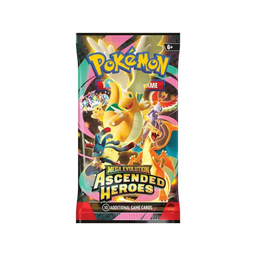
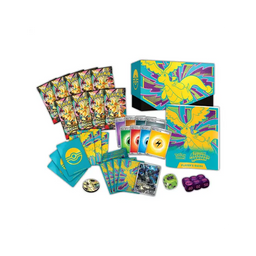
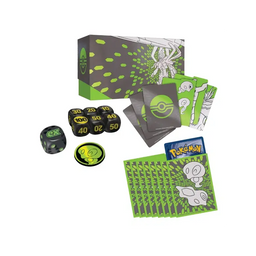
And when you're ready to take the next step, at tcgshops.com you'll find products to enhance your experience, from boosters and boxes to accessories to protect your cards, plus options from other TCGs like Riftbound, One Piece, and Magic.
Conclusion
Knowing the value of a Pokémon card involves combining correct identification, condition assessment, and a realistic comparison of recent prices. This method will give you a solid foundation for buying, selling, or trading with confidence. Visit tcgshops.com and subscribe to our newsletter to find out when new products and updates are available to help you continue growing your collection.