How to tell if a card is real: a practical guide to detecting authentic cards in Pokémon, One Piece, Magic and Riftbound
Introduction: Why it's important to know if a letter is genuine
If you play or collect Pokémon, One Piece, Magic, or are just starting to explore Riftbound, sooner or later you'll ask yourself the same question: how to tell if a card is real. Identifying authentic cards protects you from losing money, avoids problems in tournaments, and maintains the true value of your collection. Furthermore, when you buy cards to play with, an original card usually has better consistency in its finish, cut, and durability, which becomes noticeable with use.
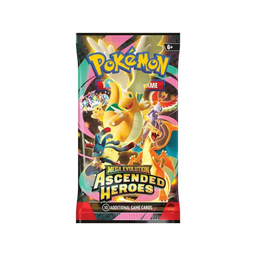
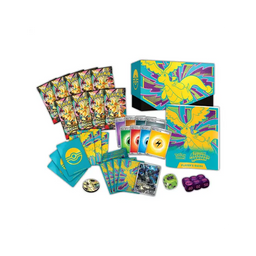
In this practical guide, you'll learn to look for clear signs of authenticity, what mistakes often betray a counterfeit, and how to shop with greater confidence. If you're looking for booster packs, boxes, and cards to expand your collection with confidence, you'll find Pokémon, Riftbound, One Piece, and Magic products at tcgshops.com. Subscribe to our newsletter to be notified of new arrivals and availability.
Key features for detecting genuine letters
An authentic letter is recognized by a set of details that, taken together, are difficult to imitate. Instead of relying on a single test, it's ideal to combine several quick checks:
- Consistent print quality and sharpness
- Colors balanced and consistent with the set
- Precise typography and alignment
- Clean cut, regular edges and reasonable centering
- Correct texture, shine and finish according to the type of card
- Consistency of cardboard thickness and rigidity
Key details: how to tell if a letter is real step by step
1) Check the print: sharpness, lines, and micro-details
Counterfeits often fail in areas that are immediately apparent to the naked eye: slightly blurred lettering, irregular outlines, or odd shadows. On genuine cards, the text is sharp, the color transitions are smooth, and small details don't blend together. A good habit is to compare your card with a confirmed one from the same game or set: if you notice clear differences in sharpness or contrast, be suspicious.
2) Typography and symbols: the most common mistake in fake letters
Many counterfeiters don't perfectly replicate the font, letter thickness, or spacing. Pay attention to the size of the numbers, the kerning between letters, and the position of symbols, energy icons, or costs. If something looks even slightly out of place, it's a red flag. In games like Pokémon and Magic, consistency in frames, icons, and layout is very high, so deviations are usually noticeable.
3) Colors and brightness: be careful with saturated tones
A typical sign of a counterfeit card is overly vivid or saturated color, or a uniform glossy finish where there should be a more subtle sheen. Some genuine cards have specific finishes: holo, foil, texture, or glitter patterns that change with the light. If the glitter looks flat, like cheap lamination, or if the pattern appears printed rather than embedded, further testing is recommended.
4) Texture and relief in special cards
Many modern rarities incorporate fine textures or reliefs in specific areas. In forgeries, this texture may be absent, too pronounced, or repeated in an odd pattern. Gently run your finger across the surface and hold it up to the light. Authenticity usually feels consistent: neither too rough nor completely smooth when it should have texture.
5) Thickness, rigidity and feel of the cardboard
Without damaging the card, you can compare its stiffness to another authentic card. Fakes sometimes feel softer, too stiff, or made of a different card stock. Also, pay attention to its "memory" when handling it carefully: an original card usually recovers its shape better than a low-quality copy.
6) Edges, cutting and centering
The cut on genuine cards is usually clean. Counterfeits may have rough edges, oddly shaped corners, or a center that is either too perfect or suspiciously off-center. Note: genuine cards can also be misaligned from the factory, so this point is used as a supplementary indicator, not as the sole proof.
7) Comparison with a verified letter
The most practical way to determine if a card is genuine is to compare it to a card you know is authentic, ideally from the same set. Examine it side-by-side: color, brightness, typography, icons, frame, and texture. When there's a clear difference in several aspects at once, there's almost always a problem.
Common mistakes that reveal a fake letter
- Blurry text or text with uneven letter thickness
- Icons that are misaligned or have slightly different shapes
- Finish that is too shiny or has a "plastic" reflection
- Highly saturated colors or colors with strange tints
- Absence of texture where it should exist
- Poorly cut edges or irregular corners
Tips for buying with confidence and taking care of your collection
Besides learning how to tell if a card is genuine, buying smart reduces risk. Look for specialty stores, keep receipts, and protect your cards with sleeves and hard chargers, especially valuable pieces. If you're building decks or starting a collection, opting for sealed products is usually a safe way to get authentic cards in good condition.
If you want to explore booster packs, boxes, and products for Pokémon, Riftbound, One Piece, and Magic, visit tcgshops.com. Browse the catalog and subscribe to the newsletter to be notified when a product will be available and receive news designed for players and collectors.
Conclusion
Learning how to tell if a card is genuine is a key skill for enjoying the hobby with peace of mind. With a quick check of printing, typography, color, texture, and cut, you can spot most fakes before they become a problem. To continue expanding your collection with confidence, keep an eye on new arrivals at tcgshops.com and sign up to receive availability and release alerts.