Cost of Pokemon Cards Explained: Pricing Factors, Sealed vs Singles, and Smarter Buying Tips
Understanding the Cost of Pokemon Cards: What You Pay For and How to Shop Smarter
The cost of Pokemon cards can feel all over the place. One booster pack seems affordable, while a single card from the same set might sell for the price of an entire collection. Whether you are a new player building a deck or a collector hunting for a favorite chase card, knowing what drives pricing helps you spend with confidence and avoid overpaying. In this guide, we will break down what influences Pokemon card prices, what you can realistically expect to spend across different product types, and how to make smarter choices when you buy. If you want a reliable place to shop for TCG products, you can always check tcgshops.com for Pokemon, Riftbound, One Piece, and Magic items when they are available.
What actually determines the cost of Pokemon cards?
Pokemon card pricing is shaped by a mix of supply, demand, and condition. Here are the biggest factors that typically matter the most:
- Rarity and pull rates: Secret rares, alternate arts, and high-end illustration rares are often difficult to pull, which increases demand and price.
- Condition and grading potential: Near Mint cards usually command higher prices than played copies. Cards that grade well can jump significantly in value.
- Set popularity and hype: New releases with desirable artwork, strong competitive cards, or fan-favorite Pokemon often push prices up early.
- Competitive play demand: When a card becomes a staple in top decks, demand rises and so can its price, even if it is not ultra rare.
- Collector appeal: Iconic Pokemon, special illustrations, and nostalgic eras can increase prices regardless of playability.
- Print availability: Limited supply, short print windows, or products that disappear quickly from shelves can raise costs on the secondary market.
Typical price ranges by Pokemon product type
Understanding the product category you are buying is one of the easiest ways to estimate total spend. While exact prices fluctuate, these general buckets help you plan:
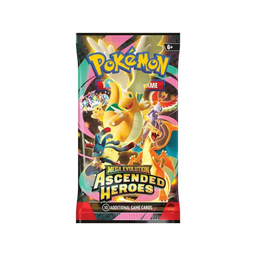
- Booster packs: Great for opening fun and building a small pool of cards, but not the most cost-efficient way to target specific pulls.
- Booster boxes: Often offer a better price per pack than single packs and are popular with collectors who want a full opening experience.
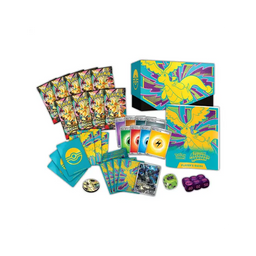
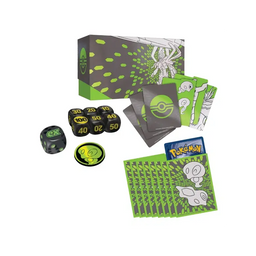
- Elite Trainer Boxes: A balanced choice for collectors and players, typically including packs plus accessories like sleeves, dice, and storage.
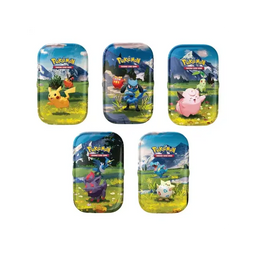
- Tins and special collections: Frequently include promo cards and a themed selection of packs. Value varies based on promo desirability.
- Singles: The most direct path to getting the exact cards you need, especially for deck building or completing a binder page.
If your goal is to build a competitive deck, singles often reduce wasted spending because you avoid chasing a specific card through random packs. If your goal is collecting and enjoying the excitement of opening, sealed product can be part of the fun, especially when you are chasing multiple cards from the same set.
Why some single cards cost more than sealed product
It can be surprising to see one card cost more than an Elite Trainer Box or even a large portion of a booster box. This usually happens when a card is both difficult to pull and highly desirable. If thousands of people want the same illustration rare or tournament staple, and only a small number are pulled in high condition, the market price can rise quickly.
Condition also plays a huge role. A Near Mint copy can be meaningfully more expensive than a lightly played one, and a card that has strong grading potential may command a premium even before it is graded. For collectors, centering, edges, corners, and surface quality matter because they affect long-term display value and resale potential.
Smart ways to manage your Pokemon card budget
If you are trying to control the cost of Pokemon cards without missing out on the hobby, these strategies can help:
- Set a goal before you buy: Are you building a deck, collecting a favorite Pokemon, or opening for fun? Your goal should decide whether you buy singles or sealed.
- Mix sealed and singles: Open some packs for enjoyment, then buy singles to finish your deck or complete your favorite subset.
- Prioritize condition where it matters: For playable cards, lightly played copies can be a value choice. For display pieces, aim for the best condition you can afford.
- Watch release cycles: Prices on new chase cards can be highest near launch. Waiting can sometimes help if supply increases over time.
- Buy accessories to protect value: Sleeves, top loaders, binders, and proper storage can keep your collection in better shape long-term.
What to look for when buying Pokemon cards online
When shopping online, look for clear product descriptions, condition notes for singles, and careful packaging standards. For sealed product, you want confidence that items are factory sealed and stored properly. For singles, transparency on condition and shipping protection is key, especially for higher-value cards.
At tcgshops.com, you will find a growing selection across major TCGs, including Pokemon, Riftbound, One Piece, and Magic. If you are tracking a specific set or waiting for restocks, checking the site regularly and subscribing to the newsletter is a great way to stay informed on availability.
Conclusion
The cost of Pokemon cards is driven by rarity, demand, condition, and product type, but you can keep it manageable by buying with a plan. Decide whether you want the thrill of sealed openings, the precision of singles, or a mix of both, and protect your cards so your collection stays in great shape. If you are ready to start your next deck or add a new favorite to your binder, visit tcgshops.com and subscribe to the newsletter to find out when the products you want are available for purchase.