How Can I Play Pokemon: A Beginner-Friendly Guide to the Pokemon TCG and What to Buy at tcgshops.com
Learning how can i play pokemon is one of the most common questions new Trainers ask, and for good reason. The Pokemon Trading Card Game is easy to start, rewarding to master, and perfect for both casual play and competitive tournaments. Whether you are coming from video games, collecting, or another TCG, the tabletop version delivers fast turns, exciting comebacks, and plenty of deckbuilding creativity. In this guide, you will learn the basics, what you need to get started, and how to choose the right products so you can start playing confidently. When you are ready to pick up the essentials, you can find Pokemon TCG products at tcgshops.com.
What you need to start playing Pokemon TCG
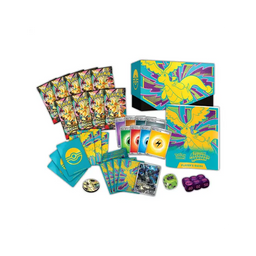
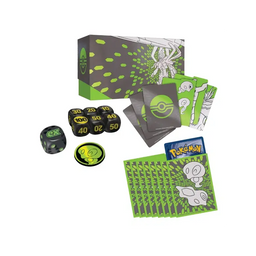
If you are asking how can I play pokemon, the quickest path is to get the right starting items. Most new players begin with:
- A 60-card deck (prebuilt is best for beginners)
- Damage counters or dice
- A coin flip tool (a coin or official flip die)
- Status markers (Burned, Poisoned, etc., often included in kits)
- A playmat (optional, but helpful for learning positions)
- Card sleeves (strongly recommended to protect your deck)
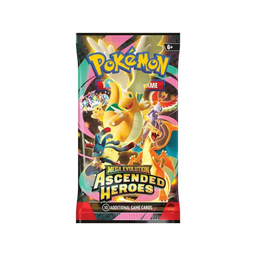
Starter-friendly products often bundle these items together, which makes setup painless. Look for preconstructed decks and beginner kits when browsing tcgshops.com, especially if you want to start playing right away.
Understanding the goal of the game
At its core, Pokemon TCG is a prize-based battle. You win by doing one of these things:
- Take all your Prize cards (usually 6)
- Knock out all of your opponent's Pokemon in play
- Leave your opponent with no cards to draw at the start of their turn
Most games end with Prize cards. When you Knock Out an opponent's Pokemon, you usually take 1 Prize card. Stronger Pokemon like Pokemon ex typically give up 2 Prize cards, which increases the risk and reward.
How a Pokemon TCG setup works
To begin, each player shuffles their 60-card deck and draws 7 cards. You then place:
- 1 Basic Pokemon as your Active Pokemon (the one battling)
- Up to 5 Basic Pokemon on your Bench
- 6 Prize cards face down
If you do not draw any Basic Pokemon in your opening hand, you reveal your hand, shuffle it back, and draw 7 new cards. Your opponent draws an extra card for each time you mulligan, so including enough Basic Pokemon is important.
Turn structure: the simplest way to learn how can i play pokemon
Turns in Pokemon TCG follow a consistent rhythm. Once you understand the flow, the game becomes much easier to play and teach.
1) Draw
Draw one card at the start of your turn.
2) Do any number of actions
This is where most decisions happen. During this phase you may:
- Play Basic Pokemon to your Bench
- Evolve Pokemon (usually after they have been in play for a full turn)
- Attach 1 Energy card per turn
- Play Trainer cards (Items as many as you want, Supporter usually once per turn, Stadium typically one in play)
- Use Abilities (if allowed by the card and game state)
- Retreat your Active Pokemon by paying its Retreat Cost with Energy
A good beginner tip is to build your turn around Energy attachments and Trainer cards that help you draw, search, and set up attackers.
3) Attack
Choose one attack from your Active Pokemon (if it has the required Energy). Apply damage and effects. If you Knock Out the opponent's Pokemon, take Prize cards accordingly and your opponent promotes a new Active Pokemon.
Card types explained in plain language
If you are still wondering how can I play pokemon without feeling overwhelmed, focus on learning the three main card types and what each one does.
Pokemon cards
Pokemon are your attackers and defenders. Basic Pokemon can be played directly, while Stage 1 and Stage 2 Pokemon must evolve from earlier stages. Many modern strategies revolve around strong Pokemon ex and efficient single-Prize attackers, balancing power with Prize trade value.
Energy cards
Energy powers attacks and retreats. You can attach only one Energy from your hand per turn, which means planning ahead matters. Some decks accelerate Energy faster using Abilities or Trainer cards.
Trainer cards
Trainer cards make decks consistent. They help you draw cards, search your deck, switch Pokemon, remove threats, and control the board. In most successful decks, Trainers are the largest portion of the 60 cards because they help you see your Pokemon and Energy key when you need them.
Choosing the right product to learn faster
The easiest way to start is with a prebuilt deck made for learning. These decks usually include clear strategies, balanced counts of Pokemon and Trainers, and simple win conditions. After a few games, many players upgrade by adding booster packs, switching to more competitive deck lists, and improving consistency with better Trainer options.
Collectors can also enjoy the journey while learning to play. Many players start by collecting favorite Pokemon, then gradually turn those pulls into playable decks. If you want to do both, consider products that include a ready-to-play deck plus extras like boosters or promo cards. Keep an eye on tcgshops.com for Pokemon TCG products that fit your playstyle, whether you are building your first deck or tuning a tournament-ready list.
Common beginner mistakes and quick fixes
- Not playing enough Basic Pokemon: Increase your Basics so you start reliably.
- Too many Energy: Many decks run fewer Energy than beginners expect, relying on Trainers for consistency.
- Forgetting once-per-turn rules: Only one Energy attachment per turn, and typically one Supporter.
- Attacking too soon: Sometimes the best move is to set up your Bench and evolve before pushing damage.
Now that you know how can I play pokemon, the next step is getting a deck in your hands and playing a few real games. The rules click quickly once you see them in action, and every match teaches you something new. Visit tcgshops.com to explore Pokemon TCG options, and subscribe to the newsletter so you can be the first to know when your next must-have product is available for purchase.