How to Play the Pokemon Trading Card Game: A Beginner-Friendly Guide to Decks, Turns, and Winning
Introduction
If you have ever opened a booster pack and wondered what comes next, you are not alone. Learning how to play the pokemon trading card game is one of the best ways to turn collecting into real gameplay, whether you are playing at the kitchen table, joining local events, or building a serious competitive deck. The game is easy to start, has plenty of depth, and rewards smart choices in both deck building and in-game strategy.
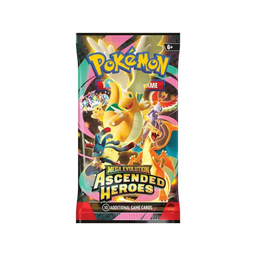
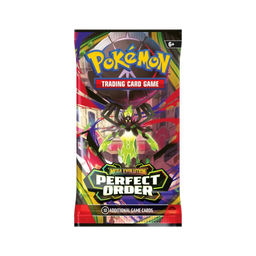
At tcgshops.com, we love helping new players and collectors find the right products to begin their journey. From starter-friendly prebuilt decks to booster packs that help you upgrade your favorite archetype, getting set up is simple once you know the basics.
Key features that make Pokemon TCG easy to start
- Clear turn structure that helps new players learn quickly
- Prebuilt decks and battle products that let you play right away
- Simple win condition centered on Prize cards
- Strategic depth through Abilities, Trainers, and Energy management
What you need to play
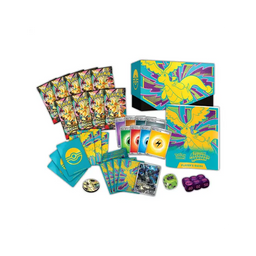
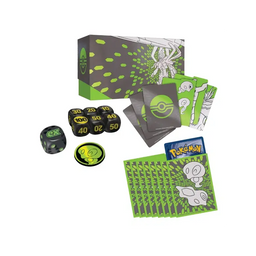
To start playing, each player needs a 60-card deck. A typical deck includes Pokemon, Trainer cards, and Energy cards. You will also want damage counters, a coin or dice for coin flips, and a way to track special conditions. Many products include these essentials, making them ideal for beginners.
New players often begin with a preconstructed deck because the card ratios are already balanced and the strategy is simple. If you are shopping for your first deck or looking for upgrades, keep an eye on tcgshops.com for Pokemon TCG products and restocks.
Understanding the cards
Before your first match, it helps to know what each card type does.
- Pokemon cards are your main battlers. They have HP, attacks, and sometimes Abilities. Some evolve from Basic Pokemon into Stage 1 and Stage 2 forms.
- Energy cards power your attacks. Most turns, you can attach one Energy from your hand to one of your Pokemon.
- Trainer cards support your strategy. They include Items for quick effects, Supporters for powerful once-per-turn plays, and Stadiums that change the battlefield for both players.
Setup: getting the game started
- Shuffle your 60-card deck and offer it to your opponent to cut.
- Draw 7 cards. If you have no Basic Pokemon, you reveal your hand, shuffle it back, and draw 7 again. Each time you do this, your opponent draws one extra card.
- Place one Basic Pokemon face down as your Active Pokemon.
- Place up to five Basic Pokemon face down on your Bench.
- Set aside 6 Prize cards from the top of your deck face down.
- Flip a coin to decide who goes first, then turn all Active and Benched Pokemon face up.
The goal is to take all 6 Prize cards by knocking out opposing Pokemon, or win by leaving your opponent with no Pokemon in play.
Turn structure: how a typical turn works
Once you know the turn structure, learning how to play the pokemon trading card game becomes much easier. A turn includes several parts, and you will repeat this flow until someone wins.
- Draw a card at the start of your turn.
- Do any number of actions that are allowed, such as playing Basic Pokemon to your Bench, evolving Pokemon, attaching one Energy, using Abilities, playing Trainer cards, and retreating your Active Pokemon by paying its Retreat Cost.
- Attack with your Active Pokemon to end your turn, if you can and if you choose to.
One key detail for beginners is that you generally attach only one Energy per turn, so planning ahead matters. Another important habit is to build your Bench early so you are not caught without backup Pokemon.
Attacking, damage, and knockouts
Attacks list an Energy cost and an effect. If your Active Pokemon has the required Energy attached, it can use that attack. You place damage counters on the defending Pokemon equal to the damage dealt. When a Pokemon has damage counters equal to or greater than its HP, it is knocked out.
When you knock out an opponent's Pokemon, you take Prize cards. Most knockouts are worth one Prize card, but certain powerful Pokemon can give up two or more Prize cards when they are knocked out. This is a better part of strategy, because it affects how quickly each player can win.
Evolving and building your board
Evolution is how many decks grow stronger over time. You can evolve a Pokemon once per turn, and usually not on the same turn you played that Pokemon down. Evolving increases HP and often unlocks better attacks and Abilities. A strong beginner strategy is to set up multiple evolving lines on your Bench so you do not rely on a single attacker.
Trainer cards and consistency
Trainer cards are the engine of most decks. Items help you search your deck, draw cards, or switch Pokemon. Supporters are typically the most impactful cards you play during a turn, but you are limited to one Supporter each turn, so choose carefully. Stadiums remain in play and can help your deck function smoothly, while also disrupting your opponent.
If you are building a deck from boosters, aim for consistent draw and search so you can find the pieces you need. Prebuilt products are a great shortcut because they often include a working Trainer package right away.
Helpful tips for new players and collectors
- Prioritize consistency over flashy cards. A deck that sets up every game wins more often.
- Track your Prize cards and plan your winning path. Know which knockouts matter most.
- Use your Bench wisely. Keep setup Pokemon safe and rotate attackers when needed.
- Protect valuable cards with sleeves and a deck box, especially if you collect and play.
Conclusion
Now that you understand how to play the pokemon trading card game, you are ready to shuffle up and start battling. Whether you are learning with a friend or preparing for more competitive play, the best next step is getting the right products to match your goals as a player and collector.
Pokemon TCG products will be available at tcgshops.com. Check our shop page and subscribe to our newsletter to be the first to know when new decks, boosters, and essentials are available for purchase.