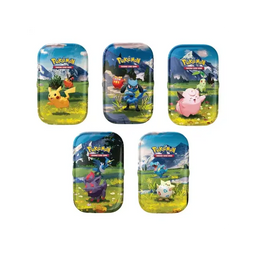
Best Decks: A Guide to Choosing, Improving, and Building Your Ideal Deck at tcgshops.com
Discover the best decks: how to choose, improve, and buy the ideal deck at tcgshops.com
Finding the best decks isn't just about "copying a winning list." For competitive players and collectors, the best deck is the one that fits your style, format, and budget, while remaining consistent and fun. In this practical guide, we'll tell you how to identify a good deck, what characteristics to look for, and how to prepare to build or update your next deck for Pokémon, One Piece, Magic, or Riftbound. If you're looking for products to build your next deck, you'll soon be able to find them at tcgshops.com.
What does “best decks” really mean in a TCG
In any card game, "best decks" usually refers to the decks with the highest performance in tournaments and leagues. However, performance depends on several factors: the metagame (what's most popular in your area or online), the player's skill, and card availability. Therefore, the goal isn't to pursue a perfect deck, but rather to choose one with a clear strategy and room for adjustment.
Key features of a top deck
When you analyze competitive decklists, there are recurring patterns. These signs help you recognize if a deck has a solid foundation:
Consistency: Draw what you need frequently. Includes draw engines, searchers, tutors, or cards that filter the hand based on the game.
Defined game plan: win in a specific and repeatable way. For example, establish board control, accelerate resources, or close out games with a clear win condition.
-
Curve and rhythm: your cards are played at a pace that doesn't leave you behind. A deck can be aggressive, midrange, or control, but it must "do something" every turn.
Resilience: can recover from interruptions, removals, or discards. The best decks include redundant cards or alternate lines.
Bench flexibility or adjustments: in games with a sideboard or flexible slots, it adapts to what you're facing.
How to choose the best deck for you in Pokemon, One Piece, Magic and Riftbound
The choice depends on your play style and the environment. Here's a simple approach to help you decide with confidence:
If you enjoy pressure: look for aggressive archetypes that win with speed and consistency. Prioritize low-cost cards and effects that maintain the pace.
If you like control: choose lists with constant interaction and card advantage. Make sure to include answers to the most common threats in the meta.
-
If you enjoy optimizing and adapting, midrange decks are often the best training ground. They offer varied gameplay and important decisions.
If you collect as well as play: consider decks based on iconic cards, alternate artwork, or tiered upgrade lines to gradually invest in.
At tcgshops.com you can find products focused on both players who want to compete and collectors who want to build in style.
Deck core: what you can't do without
Beyond the specific game, a solid deck usually has these pieces:
Engine: cards that give you resources, draw, or search, and make your deck work even with imperfect hands.
Interaction: ways to respond to the opponent. Removal, counters, board control, or interruptions depending on the TCG.
Winning condition: your way of closing out the game. It should be efficient and easy to execute when the plan is working.
-
Structural consistency: enough copies of key cards or equivalent alternatives so as not to depend on a single card.
Smart upgrades: how to go from a "good" deck to a "better" one
Many players get stuck by randomly swapping cards. To truly improve, use a method:
Record your games: note which cards are left over, which ones are missing, and on which turns you run out of options.
Reinforce the main plan: before adding rare techs, improve engine consistency and curve.
Include responses to the meta: if you lose against a certain type of strategy repeatedly, add 2 to 4 specific cards or adjust your interaction pack.
Avoid overloading: too many situational cards reduce consistency. The best decks win through repetition and clarity.
Products that help build the best decks
To build or upgrade a deck, you'll usually need more than just individual cards. These categories are key for players and collectors:
-
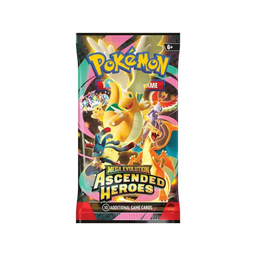
Booster packs and boxes: ideal for opening, collecting and getting pieces, especially in new releases.
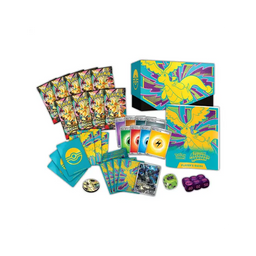
Pre-built decks: an excellent base to start playing and then improve with specific upgrades.
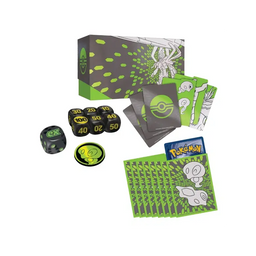
Accessories: Sleeves, deck boxes, and playmats protect your investment and enhance the gaming experience.
If you're looking for Pokemon, One Piece, Magic, or Riftbound products to build your best decks, check out tcgshops.com and subscribe to the newsletter to find out when they'll be available for purchase.
Conclusion
The best decks are built with intention: a clear game plan, consistency, answers to the meta, and performance-based upgrades. Whether you compete weekly or collect and play with friends, choosing the right deck makes all the difference. Visit tcgshops.com and subscribe to receive updates on new products and availability to help you build your next winning deck.