Best Pokemon TCG Decks: A Guide to Choosing, Building, and Improving Your Competitive Deck
Looking for the best Pokémon TCG decks to win games, learn the current meta, or start a solid collection? Choosing the right deck makes all the difference: a good deck not only feels consistent, but it also helps you make better decisions, manage resources, and understand the most common matchups. In this practical guide, we'll tell you what makes a deck truly competitive, which archetypes tend to dominate the format, and how to choose the ideal one based on your skill level and playstyle. And if you're thinking about updating your deck, at tcgshops.com you can find Pokémon TCG products and more, as well as subscribe to the newsletter to be notified when there are restocks or new arrivals.
What makes a deck one of the best
When we talk about the best Pokémon TCG decks , it's not just about "hitting hard." Top decks usually share several key characteristics:
- Consistency : the deck does what it promises game after game, with a good chance of drawing what it needs.
- Clear game plan : you know how you win and what resources you should prioritize (energy, search engines, recycling).
- Speed : can put pressure on from the first turns or establish a lead that is difficult to overcome.
- Flexibility : It has responses against different styles (aggressive, control, "single prize", etc.).
- Tech spaces : Includes situational cards to improve complicated matchups without losing consistency.
In practice, these factors matter more than maximum damage. A deck that "explodes" one out of every five games usually performs worse than a stable one that executes its plan regularly.
Popular archetypes among the best Pokemon TCG decks
The metagame changes with each expansion, but the best Pokémon TCG decks tend to fall into recognizable archetypes. Understanding them helps you choose the style that suits you best.
Aggressive early pressure decks
They're ideal if you like to set the pace. They aim to attack quickly, force favorable prize trades, and punish slow hands. They often include a lot of search and cards that accelerate energy or damage. As a player, your challenge is to carefully gauge when to commit resources and when to conserve them to close out the game.
Decks of “tempo” and consistency
These decks win through stability: they set up an efficient board, make repeatable attacks, and control the pace with favorable trades. They don't always win with spectacular knockouts, but rather by securing prizes with a clear plan and minimal variance. If you want a deck that feels "solid" in long tournaments, this approach is often a great choice.
Control and lockout hammers
Control isn't always about attacking. Sometimes it wins by denying resources, forcing bad decisions, or limiting the opponent's options. This type of deck requires a good understanding of the format: knowing what to remove, when to do it, and how to close out the game. It's one of the most demanding styles, but also one of the most rewarding if you enjoy strategic play.
Single Prize Decks or Swarm
Pokémon-based decks that award a single Prize benefit from favorable trades: the opponent needs more KOs to win. They tend to be resilient and punish decks that rely on attackers with multiple Prizes. If your local community is full of "heavy" decks, this option can be excellent.
How to choose the best deck for you
The "best" deck isn't always the one that won the last event. Ideally, it's the one you can pilot well and that fits your environment. Before investing, consider these points:
- Your level : If you're a beginner, prioritize consistency and a simple plan. You'll learn faster and gain real experience.
- Your style : Do you like to attack early, play long game, or control resources? Choosing an archetype you enjoy boosts your performance.
- Your local goal : If certain decks are abundant in your store, add tech cards or choose a deck that has a good matchup against them.
- Ease of updating : Some decks change little between expansions; others require constant adjustments. For collectors and players, this impacts the budget.
Key details when building and optimizing your deck
Regardless of the archetype, the best Pokemon TCG decks usually focus on three areas:
Search and theft base
Consistency comes from being able to find key cards. Including enough draw engines, searchers, and support cards makes your deck work even with awkward hands. If you lose a game without really playing your cards right, it's usually a sign that you're lacking consistency tools.
Energy management
A competitive deck doesn't just have energy cards: it has a plan for placing, recycling, or accelerating them. Consider how many you actually need, how many sources allow you to obtain them, and what you do if they're discarded.
Plan B and response letters
The best decks anticipate the worst-case scenario. They include options to deal with blocks, changes of pace, crowded benches, or specific attackers. A couple of well-chosen slots can transform a difficult matchup into a playable one.
What products usually help to get the best decks?
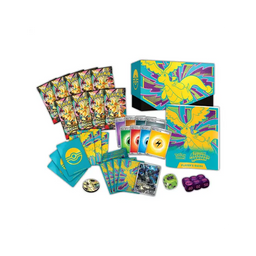
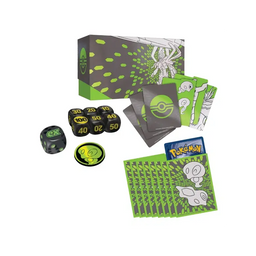
For players and collectors, building a deck usually involves a combination of booster packs, sealed products, and individual cards. Many players start with ready-to-play products and then optimize them with key trainers and archetype pieces. If you're planning your next upgrade, tcgshops.com has products for the Pokémon TCG as well as other games like Riftbound, One Piece, and Magic—perfect if you like to switch between communities.
If you're chasing the best Pokémon TCG decks , the key is combining a strong archetype with a consistent deck build and a roster you thoroughly understand. The good news is that there's always a competitive deck for every playstyle. Head over to tcgshops.com and sign up for the newsletter to be notified when your next product or restock arrives and take your deck to the next level.