Competitive Pokémon: A guide to building your deck, improving consistency, and preparing for tournaments
Master competitive Pokémon with confidence
If you enjoy playing in tournaments, climbing the online rankings, or simply winning more matches in your local league, entering competitive Pokémon is the next natural step. It's not just about having powerful cards: it's about consistency, making the right decisions, and having a deck ready to respond to the ever-changing metagames. In this article, we'll guide you with a practical and up-to-date perspective so you can build, optimize, and pilot your deck like a competitive player. We'll also tell you how to prepare to get the right products when they become available at tcgshops.com.
What makes a Pokémon deck competitive?
In competitive Pokémon, a deck works when it does the same thing well and consistently. Casual decks might win by luck or surprise, but in tournaments, you need repeatability. These are the characteristics you'll almost always see in winning decklists:
- Clear game plan: victory condition defined from turn one.
- Consistency: many ways to search for key cards and reduce bad hands.
- Interaction: tools to slow down the opponent, break their tempo, or respond to threats.
- Resource management: knowing when to use supporters, energy, objects and recycling.
Essential products to get started in competitive Pokemon
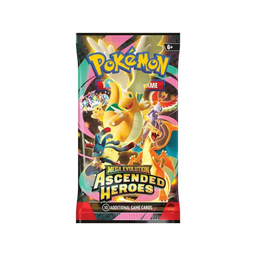
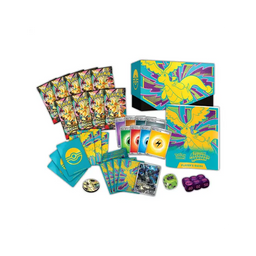
If you're building your competitive base, there are products that can make your life much easier. Besides boosters to expand your collection, the most efficient way is usually to obtain support cards and key pieces through structured products. Generally, the most useful items for competitive players include:
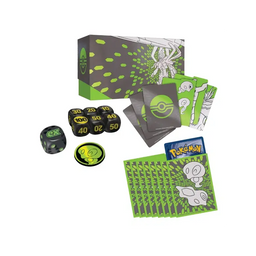
- Pre-built products geared towards gaming: ideal for having a solid framework and playable cards from the start.
- Tournament accessories: durable sleeves, dice or counters, and a deck box to protect your cards.
- Coach cards and draw engines: the foundation of consistency in most formats.
- Tools to adjust to the metagame: bank options, energy control, and responses to popular decks.
When looking to improve your competitive experience, the key is to prioritize consistency. Many games are won because your deck executes its plan with fewer setbacks. If you want to stay up-to-date, we recommend checking tcgshops.com and subscribing to the newsletter to be notified when competitive products become available for purchase.
How to build your first competitive deck step by step
The fastest way to improve in competitive Pokémon is to follow a method. This approach helps you avoid common mistakes and make better use of your budget.
1. Choose an archetype and understand its winning condition
An archetype is a deck style with a repeatable plan. Some win through constant pressure, others through combos, and still others through control. Choose one you like and study what it needs to function: which attacking Pokémon is central, what card draw engine it uses, and how it responds to typical threats.
2. Define your consistency engine
Competitive decks typically include multiple ways to search for Pokémon, find energy, and access support or key items. This core is what prevents wasted turns. A good engine reduces variance and allows you to execute your plan even with difficult hands.
3. Adjust the energy line to your actual plan
A common mistake is playing too many energy cards "just in case." In competitive play, your deck needs to draw and search for specific pieces, so your energy count should be adjusted to how you attack and how often you plan to do so. Less energy can mean more room for consistency and interaction, provided your engine finds it when needed.
4. Include responses to the metagame
In competitive Pokémon, you don't just play your own deck; you play against the most common decks. That's why "tech" cards are added to improve against difficult matchups. The key is not to overload your deck with overly specific answers; ideally, you should use flexible options that work in various scenarios.
How to improve your performance in tournaments
Having a good list is only half the battle. The other half is skill. To win more in competitive Pokémon, focus on these habits:
- Practice openings: learn which hands to keep and what your best first turn is.
- Plan your rewards: think about your KO route and how to prevent your opponent from doing the same.
- Manage resources: identify which cards you can't spend early because you'll need them later.
- Play with rhythm: in timed rounds, clear decisions and rehearsed sequences help a lot.
A simple tip: after each game, write down one thing that went wrong and how you would correct it. This constant, small-scale analysis is often what separates players who "play well" from those who win events.
Build your collection with intention
For collectors who also play, competitive Pokémon can coexist perfectly with the hobby. The difference lies in buying with purpose: prioritize playable cards, staples, and durable accessories. Then, over time, complete your collection with alternate art, rares, or favorite cards. This way, your collection grows, and at the same time, your performance at the table improves.
Conclusion
Entering competitive Pokémon is one of the most fun ways to experience the TCG: you learn, you improve, and every match feels meaningful. With a clear game plan, a solid foundation of consistency, and smart adjustments to the metagame, you'll be ready to compete with confidence. Visit tcgshops.com and sign up for the newsletter to find out when the perfect products to take your deck to the next level will be available.