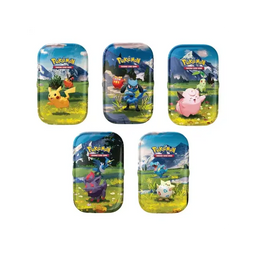
Pokemon Trading Card Game Card Values: A Practical Guide for Players and Collectors
Understanding Pokemon Trading Card Game Card Values
Whether you are chasing your next tournament-ready upgrade or building a display-worthy binder, knowing how Pokemon trading card game card values work can help you buy smarter, trade confidently, and protect your collection. Card values are not random; they follow clear patterns tied to rarity, condition, demand, and timing. In this guide, we will break down what drives prices, how to spot value, and how to make better decisions as a player or collector. When you are ready to pick up packs, singles, or accessories, you will be able to find Pokemon TCG products and more at tcgshops.com.
Key Features That Influence Pokemon Trading Card Game Card Values
Card values move for a few core reasons. Understanding these factors is the fastest way to estimate what a card might be worth and why two similar cards can sell for very different prices.
-
Rarity and pull rate: Secret rares, alternate arts, illustration rares, and older chase cards tend to command higher prices because they are harder to pull.
Condition and grading potential: Near mint copies generally sell for more, while whitening, scratches, and edge wear can significantly reduce value.
Player demand: Competitive staples can rise quickly when they become part of top decks, especially around major events.
Collector demand: Popular Pokemon, iconic artwork, and limited prints often drive long-term interest.
Set timing and availability: New releases often spike early, then settle as more product is opened. Scarce or out-of-print sets can trend upward.
Main Details: What Actually Makes a Card Valuable
Let's dig deeper into the biggest drivers behind pokemon trading card game card values so you can apply them in real collecting and trading situations.
1) Rarity Tiers and Why They Matter
Modern sets include multiple premium tiers beyond traditional holo rares. Cards like alternate arts and special illustration rares often become the “face” of a set. Because many collectors chase specific artwork rather than just a type of rarity symbol, demand can stay strong even after the set has been widely opened. In general, the harder the card is to pull and the more desirable the art or Pokemon, the higher the value tends to be.
2) Condition: The Silent Price Multiplier
Condition is one of the most important factors for both casual sales and long-term collecting. Two copies of the same card can differ dramatically in value if one has corner wear, surface scratches, or poor centering. If you are opening packs with value in mind, sleeve your hits immediately and store them safely. If you are buying singles, look closely at photos and ask about details like whitening and print lines. Collectors often pay a premium for clean, well-centered copies that have strong grading potential.
3) Competitive Play and Meta Shifts
Players influence values more than many collectors expect. When a card becomes a staple in popular decks, demand can jump overnight. Cards that support energy acceleration, draw power, or key evolutions are common examples. Values can also drop when a card rotates out of a format or when a new set introduces a better alternative. If you play competitively, watching set releases and tournament results helps you understand why prices rise and fall.
4) Popular Pokemon and Character Appeal
Some Pokemon consistently attract collectors across generations. Fan favorites, legendary Pokemon, and classic starters often hold value well, especially in premium rarities. Artwork matters too: unique illustration styles and story-like scenes can elevate a card beyond its mechanics. That blend of nostalgia, character popularity, and standout art is why certain cards become long-term favorites in binders and display cases.
5) First Wave Hype vs. Long-Term Value
It is common for new chase cards to start high in price right after release, when supply is low and excitement is at its peak. As more boxes and packs are opened, prices often stabilize. Later, if a card becomes iconic, hard to find in top condition, or tied to a beloved era, it can slowly trend upward again. For buyers, patience can pay off if you are targeting modern singles. For sellers, early hype can be a strong window, especially if you pull a top chase card quickly.
Practical Tips for Players and Collectors
Decide your goal: If you want to play, prioritize affordable playable versions. If you collect, prioritize condition and artwork.
Protect your cards: Sleeves, top loaders, and binders reduce wear and help preserve value over time.
Track your collection: Keep a simple inventory of big pulls and key singles so you know what you own and what you still want.
-
Buy strategically: Singles are often the most cost-effective way to get specific cards. Packs are great for fun, discovery, and building variety.
Stay current: New set releases, rotations, and deck trends can quickly change pokemon trading card game card values.
Find Your Next Pull or Upgrade at tcgshops.com
Understanding value is only half the journey. The other half is finding a reliable place to shop for packs, singles, and TCG supplies. At tcgshops.com, you can explore products for Pokemon, Riftbound, One Piece, and Magic, making it easier to support every part of your hobby in one place. If an item you want is not available yet, subscribe to the tcgshops.com newsletter to be the first to know when it is ready for purchase.
Conclusion
Pokemon trading card game card values are shaped by rarity, condition, demand, and timing, and a little knowledge goes a long way. Whether you are collecting your favorite Pokemon, upgrading your deck, or hunting for the next big chase card, using these value signals will help you make confident decisions. Check tcgshops.com for your next addition, and subscribe to stay updated on new arrivals and restocks.