runeterra wiki Guide: Card Research, Deckbuilding Tips, and What to Watch for at tcgshops.com
Getting More from the runeterra wiki as a TCG Player and Collector
If you enjoy strategy card games, building decks, and collecting the best versions of your favorite champions, the runeterra wiki can be a powerful companion. It is widely used by players who want quick, reliable references on cards, regions, keywords, archetypes, and set releases. In this guide, we will walk through how to use wiki-style knowledge to level up your deckbuilding and collecting habits, and how to turn that research into smarter purchases when you shop for trading card game products at tcgshops.com.
Why players rely on a runeterra wiki
A wiki is not just a place to look up a card. For competitive players, it is a fast way to confirm exact rules text, track balance changes, and compare similar effects across regions. For collectors, it is a checklist tool for sets, alternate arts, special releases, and how certain themes connect across the game's lore and expansions.
Here are a few key features people typically look for when searching runeterra wiki content:
- Card database browsing by region, cost, rarity, keyword, and type
- Clear definitions for keywords and how they interact
- Expansion and set organization, including release timelines
- Champion pages with level-up conditions, deck synergies, and related cards
- Patch history and notes on adjustments that change deck viability
When you treat research as part of your TCG routine, you build better decks, avoid misplays, and collect with more intention.
Deckbuilding benefits: turning wiki knowledge into wins
Deckbuilding starts with a plan: a win condition, a curve, and a set of interactions that get you there consistently. A runeterra wiki-style approach helps you validate that plan quickly.
First, it helps you learn keywords deeply. Many games include timing windows, stacking rules, and exceptions that only become obvious when you read precise wording. If you have ever lost a match because you misunderstand how a keyword resolves, you already know how valuable it is to confirm the details before tournament night.
Second, it helps you find redundancy. Competitive deck lists are rarely built around one copy of a key effect. They often run multiple cards that do similar jobs, like removal, protection, or refill. Searching by region and filtering by effect type is a reliable way to discover overlooked options and strengthen consistency.
Third, it supports matchup planning. When you know the common archetypes, their core pieces, and the usual tech cards, you can tune your list to your local goal. Reading card pages alongside archetype summaries helps you spot the cards that swing certain matchups, and it helps you understand what to play around.
Collector benefits: building a smarter collection
Collectors often use a runeterra wiki as a roadmap. Instead of buying randomly, you can collect by set, by region, by champion, or by theme. That makes your collection feel curated, not cluttered.
Start by identifying what you like most:
- Champion-focused collecting, where you chase every version and related support cards
- Region sets, collecting all cards tied to a region identity and playstyle
- Expansion completion, building a full set as a long-term goal
- Artwork and flavor collecting, prioritizing cards with standout visuals and lore
A wiki format also makes it easy to track what you already own. Many collectors keep a checklist based on set listings, then upgrade over time. If you later decide to play competitively, you will be glad you collected with synergy in mind rather than only chasing individual favorites.
How this research connects to shopping at tcgshops.com
Research and shopping work best together. After you explore card lists, archetypes, and set information, you can translate that knowledge into practical buying decisions. That might mean choosing products that support your preferred playstyle, or picking up staples that show up across multiple strategies.
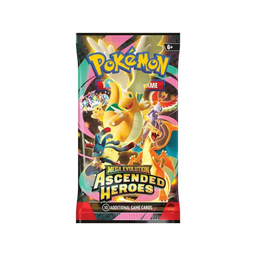
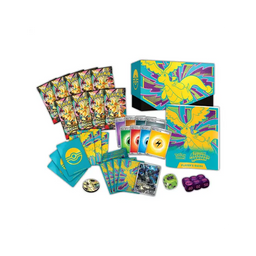
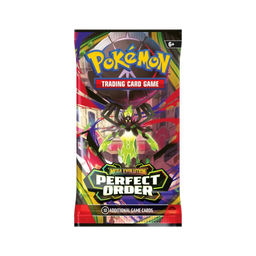
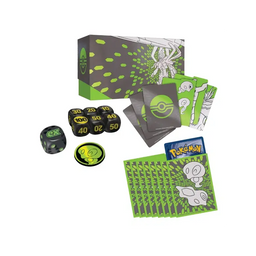
At tcgshops.com, you can shop for popular TCG categories including Pokemon, One Piece, Magic, and Riftbound products. Even if your research started with the runeterra wiki, the habits you build apply everywhere: verify card text, understand archetypes, and focus on long-term value rather than impulse purchases.
Here are a few helpful ways to connect wiki-driven research to your next purchase:
- If you love building multiple decks, prioritize products that expand your staple pool
- If you collect, consider products that align with a set or theme you are completing
- If you play weekly events, aim for consistency pieces and flexible answers
- If you are starting a new TCG, begin with a product that supports learning and upgrades
When a new release is on the horizon, keeping an eye on set organization and card previews helps you decide what to pre-plan for, and where you want to invest early.
Quick tips for using a runeterra wiki effectively
- Read the exact wording of a card before assuming how it works
- Compare similar cards by cost and region to find better versions
- Look up archetype staples and note which cards repeat across lists
- Track set releases to understand what is new, rotating, or rising in value
- Use your findings to build a focused wishlist before you shop
Conclusion
The runeterra wiki is more than a reference page. It is a practical tool for making smarter decisions, whether you are tuning a competitive list, learning interactions, or collecting with purpose. If you want to turn that research into a stronger TCG collection, keep an eye on tcgshops.com for products across Pokemon, One Piece, Magic, and Riftbound. Check the site and subscribe to the newsletter so you will know when new items and restocks become available for purchase.