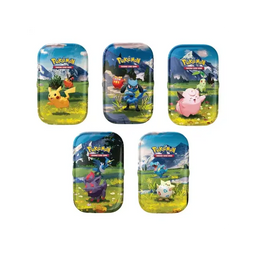
Find out the price of Pokemon cards: how to value your cards and buy better with tcgshops.com
Find out the price of Pokemon cards: a practical guide to valuing your collection and finding good deals
If you're trying to find out the price of Pokémon cards, you're not alone. Whether you play the TCG every week or collect for nostalgia, knowing the true value of your cards helps you make better decisions: from protecting an important card to choosing the best time to sell, trade, or complete a set. In this guide, we explain how the price of a Pokémon card is determined, which details influence it most, and how to use that information to buy with more confidence. And if you're looking for sealed products, accessories, or the next boost to your collection, at tcgshops.com you'll find Pokémon, Riftbound, One Piece, and Magic items for players and collectors.
Why is it important to know the price of your Pokémon cards?
The price of a Pokémon card isn't a fixed number. It changes based on availability, demand, condition, and market trends. For a player, this helps in building decks without overspending. For a collector, it's key to identifying undervalued cards, protecting valuable pieces, and avoiding paying inflated prices.
Furthermore, understanding value allows you to make fairer trades. Two cards may look similar, but one can be worth much more if it belongs to a specific print run, has a low population in good condition, or is a more sought-after alternate version.
What factors determine the price of a Pokémon card
When you want to know the price of Pokémon cards reliably, the first thing to do is identify the most influential factors. These are the most important:
1) Rarity and card type
Generally, rarer cards tend to be more expensive, but not always. Cards like special illustration, ultra rare, secret rare, full art, promotional cards, and some vintage holographic cards can increase in value rapidly if demand is high.
2) Edition, set and version
A single card can exist in several versions: normal, reverse holo, holo, promo, or with different numbers within the set. Language and region also matter. Be sure to check the expansion symbol and card number to identify exactly which one you have.
3) State or condition
For many collectors, condition is the factor that most affects price. Corners, edges, surface, and centering all matter. A card in excellent condition can be worth several times more than the same card with whitening on the edges or streaks. To value your card, check:
- Corners: whether they are sharp or folded
- Edges: if there is wear or bleaching
- Surface: scratches, marks, footprints or pressure
- Centered: if the printout is misaligned
4) Popularity in competitive gaming
Some cards increase in price because they are key pieces in metagame decks. When an archetype dominates tournaments, the cards needed to play it tend to increase. If a card loses relevance or is reprinted, its price may decrease.
5) Trends, nostalgia and collecting
Iconic characters, highly sought-after artwork, popular artists, or cards with a rich history tend to maintain demand. In Pokémon, nostalgia drives interest in cards from classic generations and certain beloved evolutionary lines.
How to find out the price of your Pokémon cards step by step
To get a more accurate estimate, follow this simple method:
Step 1: Identify the card accurately
Check the name, set, number, and rarity. Many confusions arise from comparing one version to another. Also, check if it's a holo, reverse, or a special variant.
Step 2: Compare prices according to condition
Don't compare a played card to a near-mint card. If you want to know the price of Pokémon cards to sell or trade, be honest about their condition. A realistic assessment will give you better results and avoid disagreements.
Step 3: Look at the range, not a single number
The price can vary depending on the seller, current demand, and availability. Instead of sticking to a single price, work with a reasonable range. This helps you decide when it's worth waiting or when it's a good time to close a trade.
Step 4: Check if it's graduated
Cards certified by grading companies often circulate in different markets. A highly graded card can be worth significantly more than an ungraded one, even if they look visually similar. If you believe your card is particularly valuable, consider protecting it with a sleeve, toploader, and proper storage.
Tips for buying better when you know the price
Knowing the value makes you a smarter buyer. These ideas will help you:
- Prioritize cards you need to play before chasing premium variants.
- If you collect, define a goal: a complete set, favorite illustrations, or a specific Pokémon.
- Protect your cards from day one with sleeves and boxes to maintain their value
- When a set becomes difficult to obtain, the prices of certain cards tend to stabilize or rise.
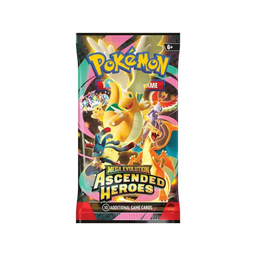
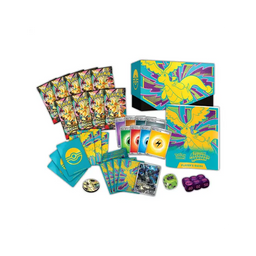
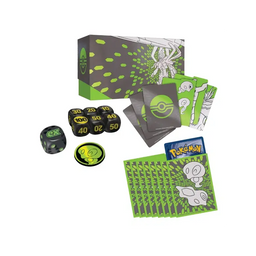
And if opening sealed products is your thing, remember that experience matters too. Opening packs and boxes is part of the hobby, and doing it with a clear idea of the average value of the cards helps you enjoy it with realistic expectations.
Find your next product at tcgshops.com
If you're keeping an eye on the market to find out the price of Pokémon cards and plan your next purchase, stay tuned to tcgshops.com. There you can find Pokémon products as well as Riftbound, One Piece, and Magic: The Gathering cards, perfect for players looking to improve their decks and collectors looking to expand their collections.
We recommend visiting tcgshops.com frequently or subscribing to our newsletter to stay informed about new arrivals and availability. With good information and the right product, your collection can grow more organized, more fun, and lead to better choices.