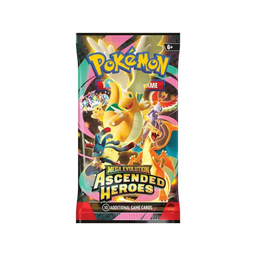
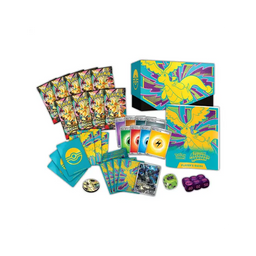
tcg card list: Build a Smarter Collection and Deck Plan for Pokémon, Riftbound, One Piece, and Magic
Build a Better TCG Card List: A Collector and Player Guide for Pokémon, Riftbound, One Piece, and Magic
Whether you are sorting your first binder or tuning a competitive deck, a well-made tcg card list is one of the most powerful tools you can have. It helps you track what you own, identify upgrades, spot missing staples, and avoid buying duplicates. For collectors, it turns a scattered pile of cards into a curated collection you can actually manage. For players, it makes building and refining decks faster, clearer, and more budget-friendly.
At tcgshops.com, we see how often the best purchases happen when players know exactly what they need. This guide breaks down how to create a strong tcg card list, what to include, and how to keep it useful over time across Pokémon, Riftbound, One Piece, and Magic.
Key features of a great tcg card list
A practical tcg card list is more than a simple inventory. The best lists are built to answer questions quickly, like what you can build today, what you are missing, and what you should buy next. Here are the key features to aim for:
- Fast search and sorting so you can find cards by name, set, rarity, color, or card type
- Clear separation between collection and decks so you know what is available versus what is currently in use
- Condition tracking for collectors, including near mint, lightly played, or damaged
- Quantity counts so you know when you have playsets, singles, or trade extras
- Wishlist section to guide future upgrades and purchases
If you build these elements in from the start, your tcg card list becomes a living system that grows with your goals.
Main details: what to include in your tcg card list
To maximize accuracy and usefulness, include consistent fields for every card. You can keep this in a spreadsheet, notes app, or your preferred collection method, but the structure is what matters most.
Core fields for any game
- Card name
- Set or expansion name
- Set number and collector number if applicable
- Rarity
- Version such as regular, foil, holo, alt art, or promo
- Condition
- Quantity owned
- Notes such as signed, graded, or deck staple
This foundation makes your tcg card list easy to maintain and easy to reference when shopping or trading.
Game-specific tips to make your list even better
Each game has its own patterns, and your tcg card list should reflect how you actually play or collect.
Pokémon
Pokémon collectors often chase master sets, variants, and promos. Add fields to reverse holo status, promo category, and whether the card is part of your binder set goal. If you play, it helps to tag Trainer staples and mark key evolution lines so deck building is faster.
One Piece
One Piece players often focus on leader choices and color identity. Add a color field and a tag for leader compatibility. For collectors, consider tracking alternate art versions carefully, since these are often the centerpiece of a collection and are easy to confuse with standard prints.
Magic
Magic benefits from format tags. Add fields like Commander, Modern, Standard, or Pioneer to quickly see where a card fits. You can also note whether a card is a staple, sideboard option, or commander piece. For collectors, tracking printings and foils is especially useful because many cards exist in multiple versions across sets.
Riftbound
If you are collecting or building in a newer or growing game like Riftbound, your tcg card list should emphasize playability. Add tags for archetype, synergy, and role in a deck such as removal, draw, finisher, or support. This makes your list a deck building toolkit, not just a record of ownership.
How to use your tcg card list to buy smarter
A good tcg card list turns shopping into a plan. Before you purchase, filter your wishlist into categories like immediate deck needs, long-term upgrades, and collector targets. Then you can prioritize based on budget and availability.
- Set a weekly or monthly card budget and match it to your top wishlist items
- Buy upgrades that improve multiple decks first, especially staples and flexible cards
- For collectors, complete the hardest-to-find variants early, then fill in commons and uncommons later
- Track duplicates you are willing to trade so you can convert extras into missing pieces
When you keep your tcg card ready up to date, you avoid impulse purchases that do not fit your goals and you get more value from every order.
Keeping your list updated without stress
The easiest system is one you will actually maintain. Try these habits:
- Update your tcg card list right after opening packs or receiving an order
- Use a simple status tag like in binder, in deck, for trade, or wishlist
- Do a quick monthly cleanup to correct quantities and remove completed wishlist items
Even five minutes at a time keeps your collection organized and ready for the next tournament or trade meet.
Conclusion
A clear tcg card list helps you play better, collect smarter, and enjoy the hobby with less clutter and more confidence. If you are looking to expand your Pokémon, Riftbound, One Piece, or Magic collection, check tcgshops.com for products and upcoming availability. Subscribe to the tcgshops.com newsletter so you are the first to know when the items you need are available for purchase.