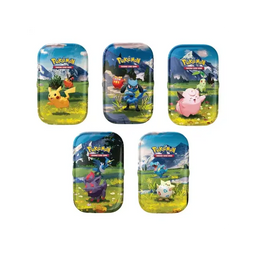
TCG Charting Made Simple: Track Card Prices and Shop Smarter at tcgshops.com
What Is TCG Charting and Why It Matters
TCG charting is the practice of tracking trading card game prices over time so you can make smarter buying, selling, and collecting decisions. Whether you collect Pokemon, build competitive decks in Magic, chase the latest One Piece releases, or explore new games like Riftbound, understanding price movement helps you avoid overpaying, spot opportunities early, and plan your next pickup with confidence. At tcgshops.com, we love helping players and collectors stay informed, and learning how to use tcg charting is one of the most practical skills you can bring to the hobby.
Key Benefits of TCG Charting for Players and Collectors
Prices in trading card games can shift quickly due to new set releases, tournament results, supply changes, and collector demand. TCG charting helps you cut through the noise and focus on real trends. Here are the biggest advantages.
- Buy smarter by comparing current prices to recent averages
- Recognize spikes caused by hype and avoid panic purchases
- Identify cards that are slowly trending upward for long-term collecting
- Set realistic trade values by understanding recent market movement
- Plan deck upgrades around rotation, bans, or metagame shifts
How TCG Charting Works
In simple terms, tcg charting looks at how much a card sells for over time, then visualizes that data so you can see direction and volatility. A healthy chart typically shows consistent sales and gradual movement, while a chart with sudden jumps may indicate hype, a short-term buyout, or a competitive breakthrough.
When you chart a card, you are usually comparing a few common pricing signals:
- Recent sale prices versus listed prices
- Daily or weekly averages to smooth out outliers
- Market liquidity, meaning how often the card actually sells
- Condition impact, such as Near Mint versus Played
- Version differences, like regular, foil, alternate art, and special rarity tiers
What to Look For When Charting a Card
If you are new to tcg charting, focus on a few reliable signals before making a decision.
Trend Direction
Is the price rising steadily, drifting down, or moving sideways? A steady climb can point to increasing demand, while a slow decline might suggest that supply is catching up after a new release.
Volatility and Spikes
Sudden spikes are common when a card tops a tournament, gets featured in a popular decklist, or becomes a collector target. Spikes can be temporary, so it helps to wait and see if the new price level holds for more than a few days.
Supply Pressure
Reprints, restocks, and new waves can soften prices. On the other hand, limited print runs, special promo distributions, and premium rarity versions can tighten supply and support stronger long-term value.
Card Version and Condition
One of the most overlooked parts of tcg charting is comparing the exact version. Alternate arts, foils, and special rarity treatments often behave differently from regular copies, and graded or near-mint condition cards may trend upward even when played copies stay flat.
TCG Charting by Game: Quick Insights
Each major TCG has its own price behavior. Here is how charting often plays out across popular categories you can shop at tcgshops.com.
Pokémon
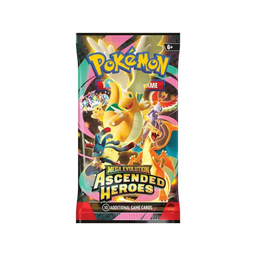
Pokemon prices are influenced heavily by collector demand, character popularity, set nostalgia, and artwork. Premium rarities can be sensitive to grading trends and long-term collector sentiment, making charting especially helpful for deciding when to pick up chase cards or sealed product.
Magic
Magic prices can move rapidly based on competitive formats, commander demand, and reprint announcements. Tcg charting is useful for monitoring staples and identifying when a reprint has stabilized enough to buy in for decks.
One Piece
One Piece has a fast-moving market where demand can arise around new set releases, tournament results, and popular leaders. Charting helps you tell the difference between a real upward trend and a short-term rush.
Riftbound
For newer games like Riftbound, tcg charting is valuable because early markets can be volatile. Watching trends helps collectors and competitive players avoid chasing inflated early pricing and instead focus on stable opportunities as the market matures.
How to Use TCG Charting to Plan Your Next Purchase at tcgshops.com
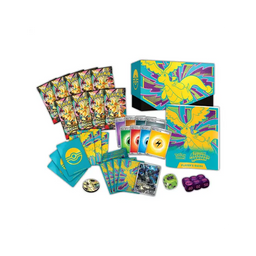
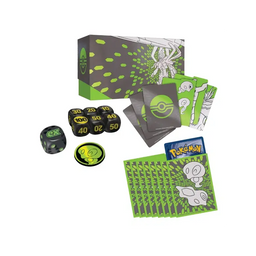
Once you understand the basics, you can apply tcg charting to your shopping strategy. If you are building a deck, chart the key cards you need and prioritize the ones that are trending upward or showing low supply. If you are collecting, chart your favorite characters or rarities and aim for moments when prices cool after releasing hype. For sealed product, charting can help you decide whether to buy at launch or wait for the market to settle after restocks.
At tcgshops.com, we keep an eye on what players and collectors want most, from booster boxes and starter decks to singles and accessories. When you combine that with charting, you can shop with a clear plan rather than guessing.
Conclusion
TCG charting turns market noise into useful insight, helping you make confident decisions as a player, collector, or both. By watching trends, understanding spikes, and comparing versions and conditions, you can time purchases better and enjoy the hobby with less stress. If you want to stay up to date on new drops and restocks across Pokemon, Riftbound, One Piece, and Magic, check tcgshops.com and subscribe to our newsletter so you will know when products become available for purchase.