TCG Database Guide: Track Cards, Build Decks, and Shop Smarter at tcgshops.com
Welcome to Your TCG Database Advantage
If you play or collect trading card games, you already know the challenge: keeping track of sets, card versions, rarities, deck ideas, and what you still need for your collection. That is where a tcg database mindset becomes a real advantage. A strong tcg database approach helps you organize your want list, compare options across sets, and make smarter decisions when buying packs, singles, or sealed products.
At tcgshops.com, we support players and collectors across Pokemon, Riftbound, One Piece, and Magic with products designed to help you build, upgrade, and enjoy your collection. In this article, we will break down what a tcg database is, how to use it like a pro, and how it connects directly to shopping smarter and collecting with confidence.
What a TCG Database Means for Players and Collectors
A tcg database is essentially your organized hub of card knowledge. It can be as simple as a personal checklist or as detailed as a full tracking system that includes set names, card numbers, printings, condition notes, and deck usage. The goal is always the same: reduce guesswork and help you focus on the cards that matter most to you.
When you think in terms of a tcg database, you can:
- Track what you own and what you still need for a set
- Separate competitive deck cards from collection pieces
- Identify versions like alternate arts, promos, foil treatments, or special rarities
- Plan purchases around your goals, not impulse
Key Features to Look for in a TCG Database Workflow
You do not need complex software to benefit from a tcg database strategy, but the best systems share a few core features. If you are building your own tracker, keep these in mind:
- Set and series structure so you can sort cards by expansion
- Card identification fields like name, number, rarity, and variant
- Condition and quantity tracking, especially for collectors
- Deck or format tags for players who build multiple lists
- Want list and trade list sections to guide your next pickup
This structure is useful whether you are chasing a full Pokemon set, tuning a One Piece deck, exploring Riftbound releases, or managing a Magic collection across formats.
How to Use a TCG Database to Buy Smarter
One of the biggest benefits of a tcg database is purchase clarity. Instead of buying randomly, you can target what moves you forward. Here are a few practical ways to apply it before you shop:
- Build a want list before ordering, so every item has a purpose
- Group needs by product type, such as boosters for set discovery or singles for finishing lists
- Track duplicates to avoid overbuying cards you already own
- Note which cards are priority upgrades for your main deck
When you shop on tcgshops.com, this preparation helps you choose products that match your goals, whether that is opening for fun, upgrading a competitive list, or completing a binder page.
Game-by-Game: Where a TCG Database Helps Most
Different games reward organization in different ways. A tcg database approach can be tailored to each community.
Pokémon
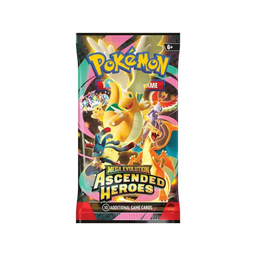
Pokemon collecting often involves multiple variants, promos, and special printings. A tcg database makes it easier to track card numbers, parallel foils, and alternate art versions. If you are building a master set or keeping a clean binder, structured tracking saves time and reduces duplicate purchases.
One Piece
One Piece deck building can change quickly as new sets and leaders shift the meta. A tcg database workflow helps you tag cards by color, archetype, and key matchups. It is also great for tracking staple playsets and sideboard style options you want on hand.
Magic
Magic collections can get large quickly. Between formats like Commander, Standard, Modern, and Limited play, you may own multiple versions of the same card. A tcg database makes it easier to track printings, manage staples, and avoid buying cards you already have in another binder or deck box.
Riftbound
For newer and growing games like Riftbound, organization helps you learn the card pool and quickly identify the pieces you need. A tcg database approach is ideal for tracking set releases, building early decks, and keeping your collection tidy as new products arrive.
Product Planning: Singles, Sealed, and Accessories
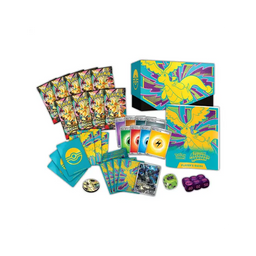
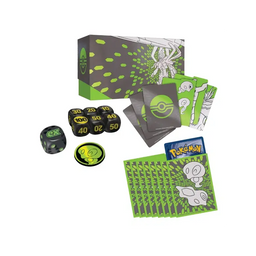
A tcg database does not just list cards. It also guides what kind of product you should buy next. If your goal is discovery and fun openings, sealed products like booster packs and boxes are a natural fit. If your goal is finishing a deck or completing a set page, singles are usually the most efficient route. Accessories matter too, because protecting your cards preserves condition and long-term value.
As you plan your next purchase, consider keeping notes in your tcg database about:
- Which decks you are actively upgrading
- Which sets you are collecting and how close you are to completion
- Which cards need sleeves, top loaders, or binder storage
How tcgshops.com Fits Into Your TCG Database Routine
Once you know what you want, shopping becomes simple. tcgshops.com is built for TCG players and collectors who want reliable access to products across Pokemon, Riftbound, One Piece, and Magic. Whether you are restocking boosters for your next opening session or picking up the essentials to support your deck-building goals, keeping a tcg database style checklist helps you shop with confidence.
If a product you are looking for is not available yet, check tcgshops.com regularly and subscribe to our newsletter to be first in line for restocks and new arrivals.
Conclusion
A tcg database approach is one of the simplest ways to level up your TCG experience. It keeps your collection organized, your deck upgrades focused, and your purchases intentional. If you are ready to turn your notes and want lists into real progress, visit tcgshops.com and keep an eye on upcoming releases and restocks. Your next great pull or perfect deck upgrade might be closer than you think.