TCG Release Dates Guide: Plan Your Next Pokemon, One Piece, Magic, and Riftbound Pickup at tcgshops.com
Keeping up with tcg release dates is one of the easiest ways to stay ahead as a player, collector, or investor. New sets can shift metagames overnight, introduce chase cards that sell out quickly, and create the best windows for preorders and sealed collecting. If you want a simple, reliable way to plan your next pickups, this guide will help you understand how tcg release dates work across the biggest games and how to prepare so you never miss a drop. When you are ready to buy, you can check availability at tcgshops.com or subscribe to our newsletter for restock and launch updates.
Why tcg release dates matter for players and collectors
In trading card games, timing is everything. A new release is not just a new product on a shelf. It is a fresh wave of singles, sealed boxes, promos, and accessories that can impact value and playability.
Players benefit because new sets bring new deck options, upgrades, and answers to popular strategies.
-
Collectors benefit because the first days of release are often the best time to find product at regular pricing before scarcity sets in.
Gift buyers benefit because release dates provide an easy plan for birthdays, holidays, and events at local game stores.
Most importantly, tracking tcg release dates helps you decide when to preorder, when to buy sealed, and when to wait for the market to settle.
What to expect around a typical TCG release
While each brand has its own schedule, most tcg release dates follow a similar pattern. Understanding the sequence can help you plan your purchases and avoid last-minute rushes.
Announcement window: products are revealed with set names, themes, and early card previews.
Preorder phase: booster boxes, elite-style bundles, starter decks, and premium collections become available.
Launch day: sealed product begins shipping and hitting shelves; early singles listings often spike in price.
-
Post-launch stabilization: supply increases, singles prices adjust, and competitive lists begin to settle.
If your goal is playing competitively, launch week is ideal for testing and grabbing staples. If your goal is collecting, preorders and early launch tend to be best for sealed availability.
How to use tcg release dates to plan your buying strategy
Different goals call for different strategies. Here are practical ways to use tcg release dates for smarter shopping.
For competitive players
Focus on products that get you playing fast, such as starter decks, structure-style decks, or bundles that include useful accessories. Then, add boosters for upgrades once the set is in circulation. If you can, set a budget ahead of release so you can pivot quickly when new decklists emerge.
For sealed collectors
Sealed collecting is strongly tied to timing. Sealed boxes and premium collections can become difficult to find after the initial wave. If you collect for long-term display or investment, target release day and the first restock window. If you are uncertain, starting with one booster box or one premium collection is a balanced approach.
For single buyers
Singles can be volatile around release. Many chase cards are most expensive in the first few days, then cool off as more product is opened. If you want the best price, waiting a little after launch can help. If you need a card for tournaments immediately, buying early may be worth it.
Spotlight on the biggest games: what releases usually look like
At tcgshops.com, our focus includes Pokemon, One Piece, Magic, and Riftbound. Each ecosystem has its own product rhythm, and knowing it helps you anticipate what will be available on key tcg release dates.
Pokémon
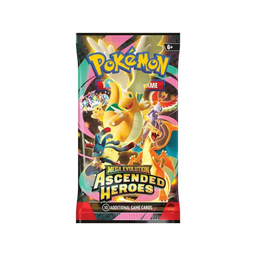
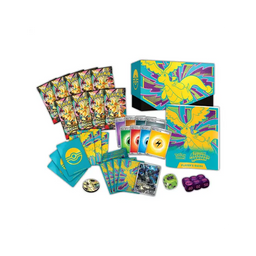
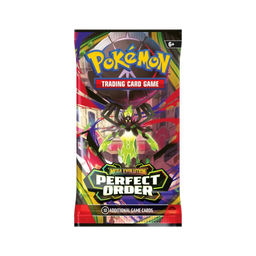
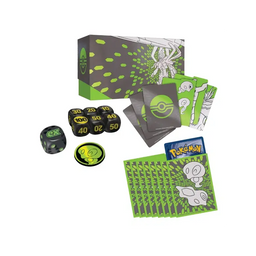
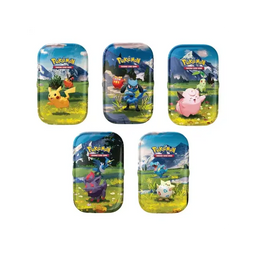
Pokemon releases often revolve around booster packs, booster boxes, themed bundles, and premium collection boxes. Special sets can generate heavy demand, especially when they include unique foils, popular characters, or high-value illustration-style cards. If you enjoy opening packs, releasing windows are a great time to secure sealed product before it becomes difficult to find.
One Piece
One Piece releases typically include booster sets and starter decks that can quickly reshape competitive play. Starter decks are especially useful for new players and for experienced players looking for key staples. Tracking tcg release dates is crucial here because high demand can create fast sell-through on launch waves.
Magic
Magic releases are frequent and varied, often including booster products designed for draft, set collecting, or premium openings, alongside commander-style decks and bundles. Because there are multiple product types, planning ahead matters. Decide whether your goal is drafting with friends, building commander decks, or hunting showcase-style cards, then target the right sealed product on release.
Riftbound
Riftbound is gaining attention, and newer games often have a strong early collector and community phase. Early tcg release dates are especially important because first waves can be limited and demand can spike as players discover the game. If you want to be part of the early scene, watching upcoming launches and restocks is the best approach.
Easy checklist for staying on top of tcg release dates
Pick your focus games and set a monthly budget.
Decide whether you prefer sealed, singles, or playable decks.
Watch for preorder openings and plan your timing.
-
Check tcgshops.com for availability and upcoming product listings.
Subscribe to the tcgshops.com newsletter to get launch and restock updates.
Conclusion
Following tcg release dates is one of the simplest ways to collect smarter, play sooner, and avoid missing the products you are most excited about. Whether you are chasing the newest Pokemon hits, upgrading to a One Piece deck, building in Magic, or exploring Riftbound, planning around releasing windows keeps you ready for the next big drop. Check tcgshops.com for current and upcoming TCG products, and subscribe to our newsletter so you know exactly when new releases are available to purchase.