Trading Card Game Prices Explained: How to Buy Smarter for Pokemon, One Piece, Magic, and Riftbound
Why Trading Card Game Prices Matter for Players and Collectors
Trading card game prices are more than just numbers on a listing page. They influence how quickly you can finish a deck, whether a booster box feels like a smart pickup, and how collectors plan long-term goals. If you play Pokemon, One Piece, Magic, or you are watching new releases like Riftbound, understanding what drives prices helps you buy with confidence and avoid common pitfalls. At tcgshops.com, we aim to make that process easier with a reliable place to shop for sealed product, singles, and essentials as they become available.
Key Features That Shape Trading Card Game Prices
Most price changes in TCGs come down to a few repeatable factors. Learning them once makes every future purchase decision clearer.
Supply and availability New sets start scarce, then stabilize as more product hits the market. Limited print runs and special releases can stay expensive longer.
-
Competitive demand When a card becomes a staple in top decks, prices can rise quickly, especially for playsets and high-rarity versions.
Collector appeal Alternate arts, secret rares, iconic characters, and graded condition demand can push value beyond pure gameplay usefulness.
Set age and rotation Older sets often become difficult to find. In games with rotation, cards may drop after they leave the main format, while fan-favorite collectibles can remain strong.
Condition and authenticity Centering, edges, surface, and print quality affect single-card pricing significantly. Trusted sourcing matters.
Understanding Sealed Product Pricing: Boosters, Boxes, and Special Collections
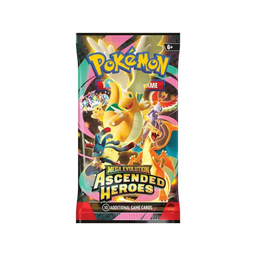
Sealed product is often where players and collectors start, and it comes with its own pricing patterns. Booster packs and booster boxes typically have an early release window where prices can be volatile. Pre-release excitement, low early supply, and chase cards can temporarily elevate costs. As distribution steadies, prices often settle, giving buyers a better entry point.
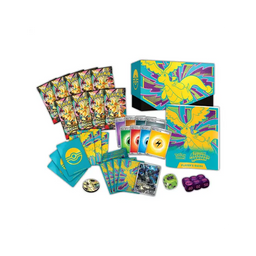
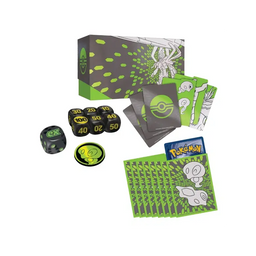
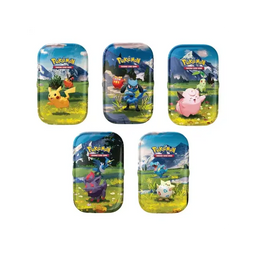
Special collections and premium products can behave differently. Items with exclusive promos, unique accessories, or limited availability may keep their value longer. In Pokemon, premium sets and collector-focused boxes can remain in demand due to iconic art and popular characters. In One Piece, demand often tracks the strength and popularity of leaders and key staples, while collecting variants create an additional pricing tier. In Magic, pricing frequently reflects both competitive formats and long-term collector interest, particularly for premium treatments and sought-after reprints.
For Riftbound, new games can be especially dynamic. Early products can spike if the player base grows quickly, then normalize as reprints and new waves arrive. If you are exploring a new TCG, pacing your purchases and watching restocks can help you avoid overpaying during the earliest hype cycle.
Singles Pricing: The Fastest Moving Part of the Market
Singles are where trading card game prices change the fastest, because they react instantly to results and community discovery. A single tournament weekend can turn a previously overlooked card into a must-have. Likewise, a new set release can cause older staples to jump if they gain new synergy, or fail if they get replaced.
If you are deck building, one practical approach is to prioritize the cards that define your strategy first, then fill in flexible slots later. This helps you lock in the core pieces before demand moves. Collectors often do the opposite: securing the rarest versions early, then completing the set as prices stabilize.
Another key element is reprints. Reprints often reduce the price of the most playable versions, while premium foils and alternate arts may hold better value due to scarcity and display appeal. Understanding whether a card is likely to be reprinted soon can help you decide whether to buy now or wait.
Smart Ways to Shop When Trading Card Game Prices Fluctuate
You do not need to time every dip perfectly to be a smart buyer. A few habits can help you get more value over time:
Set a goal before you shop Are you building a deck for locals, collecting a character line, or investing in sealed to open later? The best purchase depends on the goal.
Balance sealed and singles Opening packs is fun, but targeted singles can be more cost-effective for completing decks.
Watch for meta shifts In competitive scenes, demand can change quickly. If you know a deck is trending, you can prepare your list earlier.
-
Be mindful of condition For collectors, condition can be the difference between a good deal and a future regret. For players, lightly played can be a smart budget choice.
Plan around new set releases Prices often move the most around launch windows. Waiting for restocks can help, especially for sealed.
What to Expect from tcgshops.com
When you shop for Pokemon, One Piece, Magic, and Riftbound products, trust and consistency matter. tcgshops.com is built for players who want to upgrade decks and collectors who want to chase the cards they love without the hassle. As product becomes available, you will be able to find sealed releases, key accessories, and selection that supports both casual and competitive play.
If you are keeping an eye on trading card game prices, one of the best strategies is staying informed. Check tcgshops.com regularly and subscribe to our newsletter so you can hear about restocks, upcoming releases, and when new products are available for purchase.
Conclusion
Trading card game prices will always move, but they do not have to be confusing. When you understand what drives demand and how sealed product and singles behave, you can buy smarter, build better, and collect with confidence. Visit tcgshops.com to explore our TCG offerings and subscribe to our newsletter to be the first to know when the next wave of Pokemon, One Piece, Magic, and Riftbound products goes live.