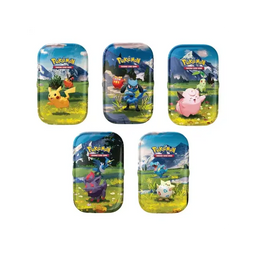
Trading Card Game Storage Guide: Protect Decks, Organize Collections, and Upgrade Your Setup
Introduction: why trading card game storage matters
If you play or collect Pokémon, One Piece, Magic, or the upcoming Riftbound, you already know that your cards are only as safe as the storage you use. Bends, corner wear, scuffs, and moisture can turn a prized pull into a disappointing downgrade. That is why smart trading card game storage is not just an accessory, it is part of your collection strategy. The right setup keeps decks tournament-ready, protects high-value singles, and makes it easy to bring your cards to locals, conventions, or casual nights with friends.
In this guide, we will break down what great trading card game storage looks like, what to consider when buying, and how to build a simple system that works whether you are a new player with one deck or a collector with multiple binders and boxes. If you are looking for dependable storage solutions for Pokémon, Riftbound, One Piece, and Magic, keep an eye on tcgshops.com for availability and restocks.
Key features of great trading card game storage
Not all storage is created equal. The best options share a few important features that protect your cards and improve day-to-day usability.
Protection first: sturdy materials that resist crushing and prevent cards from shifting during travel.
Snug fit: compartments designed for sleeved and double-sleeved decks, plus room for sideboards and tokens.
Organized access: labeled dividers or separated sections so you can find what you need quickly.
Collector-friendly care: surfaces and interiors that reduce friction and limit edge wear over time.
-
Portability: a form factor that fits in a backpack and stands up to frequent play.
When you shop for trading card game storage on tcgshops.com, look for products that emphasize these basics. They tend to perform well across multiple games, even when card thickness and deck sizes vary.
Main details: choosing the right storage for your collection
Most players and collectors use a mix of storage types. Here is how to match each option to your needs.
Deck boxes for active play
If you play weekly events, a reliable deck box is your everyday essential. The ideal deck box should comfortably fit your deck in sleeves, with extra space for tokens, dice, and a sideboard if your game requires it. For Magic players, that usually means planning for a full 60-card or 100-card deck, plus accessories. For Pokémon and One Piece, you will want a secure fit that keeps cards from sliding around.
Practical tip: if you double-sleeve, always confirm the deck box capacity supports thicker decks. Tight boxes can bow cards over time.
Binders and pages for display and long-term protection
Binders are perfect for collectors who want to view and organize sets. A good binder setup supports easy sorting by set, rarity, or favorite characters while keeping cards flat and protected. Look for sturdy covers and pages that hold cards firmly so they do not slip out during transport. This is especially useful for showcasing alternate arts, full arts, and other premium pulls.
Practical tip: store binders upright like books and avoid overstuffing pages. Overfilled binders can press on edges and cause impressions.
Storage boxes for bulk and long-term organization
As your collection grows, bulk becomes unavoidable. Storage boxes are the backbone of a clean, searchable collection. They are ideal for keeping commons, uncommons, energy cards, lands, and duplicates sorted by set and color. For players who build multiple decks, a well-organized bulk box makes it much easier to find staples and upgrade lists quickly.
Practical tip: label by game and set. A simple label system saves hours when you are deckbuilding or preparing trades.
Toploaders and protectors for high-value singles
For chase cards, graded candidates, and sentimental favorites, dedicated protection is worth it. Rigid protection helps prevent bending and corner dings. Pairing sleeves with rigid holders offers strong day-to-day security when you trade or take cards out of the house.
Practical tip: keep high-value cards in a separate section of your storage so they are easy to inventory and less likely to get mixed into bulk.
How to build a simple trading card game storage system
If you want a setup that stays organized as you grow, follow this basic structure:
One deck box per active deck, with space for accessories.
One binder per main collection goal, such as a set, a character theme, or a format staple binder.
One or more bulk storage boxes, sorted by game first, then set, then type.
A dedicated protectors section for your top cards, separate from trade binders.
This approach works across Pokémon, One Piece, Magic, and Riftbound because it separates cards by how you use them: play, display, store, and protect.
Common mistakes to avoid
Leaving cards loose in bags or pockets, which increases edge wear and surface scratching.
Mixing multiple games in one unlabeled box, making cards hard to find and easy to damage.
Overpacking deck boxes so tightly that cards warp.
Storing cards in humid areas, which can cause curling and long-term damage.
Conclusion: protect your pulls and play with confidence
The best trading card game storage is the kind you actually use every day: sturdy, organized, and sized for your decks and collection goals. Whether you are preparing for your next event, building a long-term Pokémon set binder, or keeping Magic staples ready for new brews, proper storage keeps your cards looking sharp and ready to play.
If you are upgrading your storage setup, check tcgshops.com for trading card game storage options for Pokémon, Riftbound, One Piece, and Magic. You can also subscribe to the tcgshops.com newsletter to be first to know when new storage products are available for purchase.