Trading Card Price Guide: What Really Drives Value in Pokemon, One Piece, Magic, and Riftbound
Why Trading Card Price Matters for Every Collector and Player
Whether you collect for the thrill of the hunt, play competitively, or simply love opening packs, understanding trading card price can make your hobby more rewarding. Prices move quickly across popular games like Pokemon, One Piece, Magic, and emerging titles like Riftbound. Knowing what influences value helps you buy smarter, trade more confidently, and protect your collection over time. At tcgshops.com, we keep a close eye on what players and collectors care about most: availability, authenticity, condition, and the real-world factors that drive card and sealed product demand.
Key Features That Influence Trading Card Price
Trading card price is rarely random. It is shaped by a handful of important signals that experienced collectors watch closely. If you learn these early, you can avoid overpaying, spot good opportunities, and build a collection you are proud of.
- Set popularity and player demand in competitive formats
- Card rarity, pull rates, and special treatments like alternate art
- Condition and grading potential, especially for high-end collectibles
- Sealed product availability, reprints, and restocks
- Timing around releases, tournament results, and community hype
Main Details: What Drives Trading Card Price Across Top TCGs
Different games have different price patterns, but the same core rules apply: demand, supply, and desirability. Here is how those forces show up in the TCGs most buyers follow.
Pokemon: Collectibility, Character Demand, and Condition
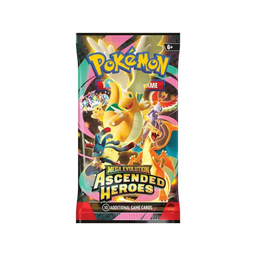
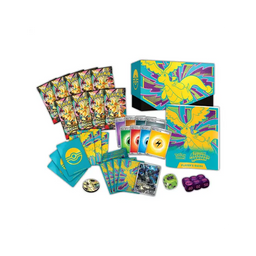
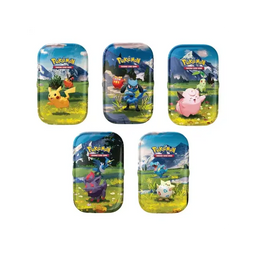
Pokemon trading card price often reacts strongly to collector trends. Fan-favorite characters, iconic artwork, and premium rarity tiers can push values higher even if the card is not heavily played in tournaments. Condition is especially important in Pokemon because collectors frequently chase pristine copies for display or grading. Centering, edge wear, and surface scratches can have a big impact on what a card is worth. Sealed items also play a major role, since limited availability and strong long-term collector demand can keep products desirable well beyond release.
One Piece: Competitive Staples and High-Impact Alt Arts
One Piece pricing tends to move quickly when new strategies emerge. A card that becomes a key competitive staple can see a rapid jump in trading card price, especially if it comes from a set with constrained supply. Alternate arts and character-focused collector cards add another dimension, because they appeal to both players and collectors. If a card is both a tournament staple and a sought-after collectible, price movement can be sharp in either direction depending on reprints and metagame shifts.
Magic: Format Demand, Printings, and Reprint Risk
Magic has one of the most complex price ecosystems. A card can be valuable because it is played in Commander, Modern, Pioneer, or other formats, or because it is a premium collectible version. Printings matter a lot in Magic. The same card name may have multiple editions, foils, special frames, and showcase treatments, each with its own trading card price profile. Reprints can lower prices for some versions while premium or scarce variants may hold better value. Understanding which printing you are buying is a key step for Magic shoppers.
Riftbound: Early Demand, Availability, and Community Momentum
For emerging games like Riftbound, trading card price can be influenced by early scarcity, community excitement, and the pace of distribution. In newer markets, sealed product availability can have an outsized impact. When demand grows faster than supply, cards and packs may rise in price until restocks or new waves arrive. The most important approach is to focus on products you genuinely enjoy collecting or playing, while staying flexible as the market matures.
How to Evaluate Trading Card Price Before You Buy
You do not need to be a market expert to make informed choices. A few practical habits go a long way.
- Decide your goal first: playing, collecting, investing, or a mix
- Prioritize condition for collectibles and consider how you will store cards
- Watch release cycles since prices can spike early and stabilize later
- Balance singles and sealed purchases based on your risk tolerance
- Plan for deck upgrades and avoid panic buying during short-term hype
Why Sealed Product Still Matters for Trading Card Price
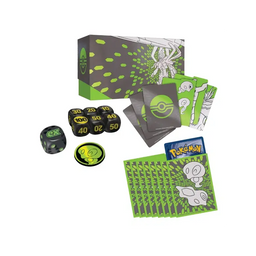
Sealed products like booster boxes, elite bundles, and special collections remain a cornerstone of the hobby. They support the experience of opening packs, enable drafting or casual play, and can become collectible over time. Sealed availability also influences singles. When sealed product is scarce, fewer cards enter the market, and prices for desirable pulls may rise. When restores happen, the opposite can occur. If you enjoy both collecting and playing, sealed can be a fun way to engage with a set while still keeping an eye on long-term value.
Shop Smarter with tcgshops.com
At tcgshops.com, we focus on bringing TCG players and collectors the products they want across Pokemon, Riftbound, One Piece, and Magic. If you are tracking trading card price trends, the best strategy is to stay informed and shop from a reliable source when items become available. Check tcgshops.com for product updates, and consider subscribing to our newsletter so you can be among the first to know when new releases, restocks, and featured items are available for purchase.
Conclusion
Trading card price is shaped by real factors like demand, rarity, condition, and availability, and learning those basics can dramatically improve your buying and collecting experience. Whether you are chasing competitive upgrades or building a long-term collection, a little knowledge goes a long way. Visit tcgshops.com and subscribe to our newsletter to stay updated on upcoming availability and find the right TCG products for your next opening, trade, or deck upgrade.